

Last updated October 31, 2026
 Home additions & ADU
 Kitchen remodeling
 Bathroom remodeling
 Roofing
 Windows & doors
 Driveway & pavers
 Fence
Free written scope consultation - allowances, timeline, and change-order rules on paper before a single trade is scheduled
DIY vs Professional Construction: The Daly City Homeowner’s Decision Guide
In California, an owner-builder pulling their own permit for work they didn’t actually perform is a misdemeanor. That’s the legal reality most DIY guides skip. A Daly City home with unpermitted additions, rewired circuits, or a self-built deck can fail escrow title review even when the work looks flawless, and the seller absorbs the cost. This guide draws the line by project category, not by homeowner ambition. You’ll learn what California law actually allows you to self-perform, where DIY genuinely saves money in Daly City’s specific climate and code environment, where it creates compounding financial risk, and how to structure a hybrid approach that captures savings without creating liability.
Styles & brands we work with
Quick Answer
DIY is worth it in Daly City for finish-level work that requires no permit: interior painting, cabinet hardware, non-structural landscaping, and cosmetic tile like backsplashes. Professional contractors are legally required for any project involving structural alterations, electrical, plumbing, roofing, or window and door replacement that triggers Title 24 energy compliance. The smartest financial move for most Daly City homeowners is a hybrid: hire a licensed general contractor for permitted rough-in and inspections, then self-perform the finish work that has no inspection footprint. For a full-scope partner who handles every phase under one license, start with a Daly City Construction home consultation.
Table of Contents
- California’s Owner-Builder Rules: What You Can Legally Self-Perform in Daly City
- Where DIY Genuinely Saves Money in Daly City
- Where DIY Creates Compounding Costs
- The Hybrid Approach: Professional Rough-In, Homeowner Finish Work
- The Resale Cost Calculation: What Unpermitted DIY Work Really Costs at Closing
- Daly City-Specific Factors: Wind, Fog, Hillsides, and Permitting
- How the Permit Process Actually Flows in Daly City
- Common Mistakes to Avoid
- When to Call a Professional
- Frequently Asked Questions
- The Bottom Line
California’s Owner-Builder Rules: What You Can Legally Self-Perform in Daly City
California Business and Professions Code Section 7044 allows homeowners to act as their own contractor, but only for work they actually perform themselves or with their own employees. The moment you hire unlicensed labor to do permitted work under your owner-builder permit, the arrangement moves into territory the Contractors State License Board treats as a violation. It’s a misdemeanor to pull an owner-builder permit for work performed by someone else, and it’s the single most common legal mistake we see in Daly City remodels.
Here’s what the law means in practical terms for a Daly City homeowner:
- You can legally self-perform interior painting, flooring installation, cabinet hardware, trim, baseboards, non-structural landscaping, fencing under seven feet, and most finish carpentry. None of these require a permit in Daly City.
- You can pull an owner-builder permit for work you genuinely do yourself: a bathroom remodel where you set the tile, swap the vanity, and handle the finishes. If you hire a licensed electrician or plumber as a subcontractor to your owner-builder permit, that’s legal, but you inherit all liability and workers’ comp exposure.
- You cannot pull an owner-builder permit and then hire unlicensed workers to do the actual construction. That’s a criminal offense, it voids your homeowner’s insurance for that work, and it creates a disclosure nightmare at resale.
- Structural, electrical, plumbing, and roofing work requires a licensed contractor for the permitted scope. California law is explicit that anyone contracting for projects over $500 in labor and materials must hold a state license, and Daly City’s building department enforces this consistently.
We’ve walked through dozens of Daly City homes where the owner pulled permits correctly but hired unlicensed help for the execution, only to discover at resale that the work never received final inspection sign-off. The cost to correct is routinely two to three times the cost of hiring a licensed contractor the first time. A full-scope General Contractor in Daly City carries the liability so you don’t, and that’s not marketing language. It’s how the insurance and permitting system is designed.
Where DIY Genuinely Saves Money in Daly City
Painting a 1,200-square-foot Daly City home runs about $4,800 to $7,000 when professionally done. Doing it yourself with quality paint from a local supplier costs $600 to $1,200 in materials, and the result, if you’re patient, is indistinguishable from a pro job. Interior painting requires no permit in Daly City, no inspection, and no disclosure at resale. That’s a genuine savings of $3,600 to $5,800 for a week of work.
Here’s the full list of project categories where DIY is genuinely the right financial call for Daly City homeowners:
- Interior painting: No permit, no inspection, no liability. The most underrated DIY savings in home improvement.
- Cabinet hardware replacement: Swapping pulls and hinges on existing cabinets costs $3 to $8 per piece in materials and takes a Saturday. A handyman charges $40 to $60 per hour for the same work.
- Non-structural landscaping: Planting, mulching, pavers under 300 square feet without retaining walls, and drip-line adjustments are exempt from Daly City permits. Professional landscaping runs $15 to $25 per square foot; materials run $4 to $8.
- Tile backsplash: A kitchen backsplash under 50 square feet, installed over existing drywall without moving plumbing or electrical, typically needs no permit in Daly City. Material cost for a high-end mosaic is $8 to $18 per square foot. Professional installation adds $10 to $20 per square foot.
- Interior door replacement: Swapping an interior slab door on an existing frame is finish work. No permit, no energy compliance, and a new prehung interior door from a Daly City supplier runs $120 to $350.
The common thread: none of these projects require a permit, an inspection, or a licensed trade. That’s the dividing line that matters most in Daly City. If the work you’re considering would never trigger a permit, DIY usually saves real money without creating downstream risk. If it would trigger a permit, the math shifts fast.
Where DIY Creates Compounding Costs
Roofing in Daly City is the clearest example. Daly City sits in a wind exposure zone that regularly sees sustained 25-35 mph winds off the Pacific, with gusts to 50 mph in the Westlake and St. Francis Heights neighborhoods. A DIY roof replacement that doesn’t meet the manufacturer’s wind nailing schedule, or uses the wrong underlayment for the fog belt’s moisture load, will pass a visual inspection and fail in the first winter. Then the real cost begins: water intrusion, decking replacement, interior drywall repair, and mold remediation. A professional re-roof through Home Remodeling in Daly City runs $9,000 to $18,000 for a typical 1,400-square-foot home. The upstream DIY attempt that fails costs $4,000 to $7,000 in materials, plus the full professional job on top, plus interior repairs.
Window replacement carries a compliance trap most Daly City homeowners don’t see coming. California’s Title 24 energy code requires that replacement windows meet specific U-factor and solar heat gain coefficient ratings for the climate zone. Install the wrong glass package and the inspector fails the permit. Hire a licensed contractor and it’s their problem to correct; self-perform it and you’re re-buying windows out of pocket. Window work in Daly City also frequently requires working from ladders on sloped frontages, and a fall off a Daly City hillside home is not a risk worth trading for the labor savings.
The full list of project categories where DIY creates compounding costs:
- Roofing: Wind exposure, fog-belt moisture, and the manufacturer’s warranty void on self-installed systems.
- Window and door replacement: Title 24 energy compliance, flashing details that prevent fog-belt water intrusion, and ladder work on sloped lots.
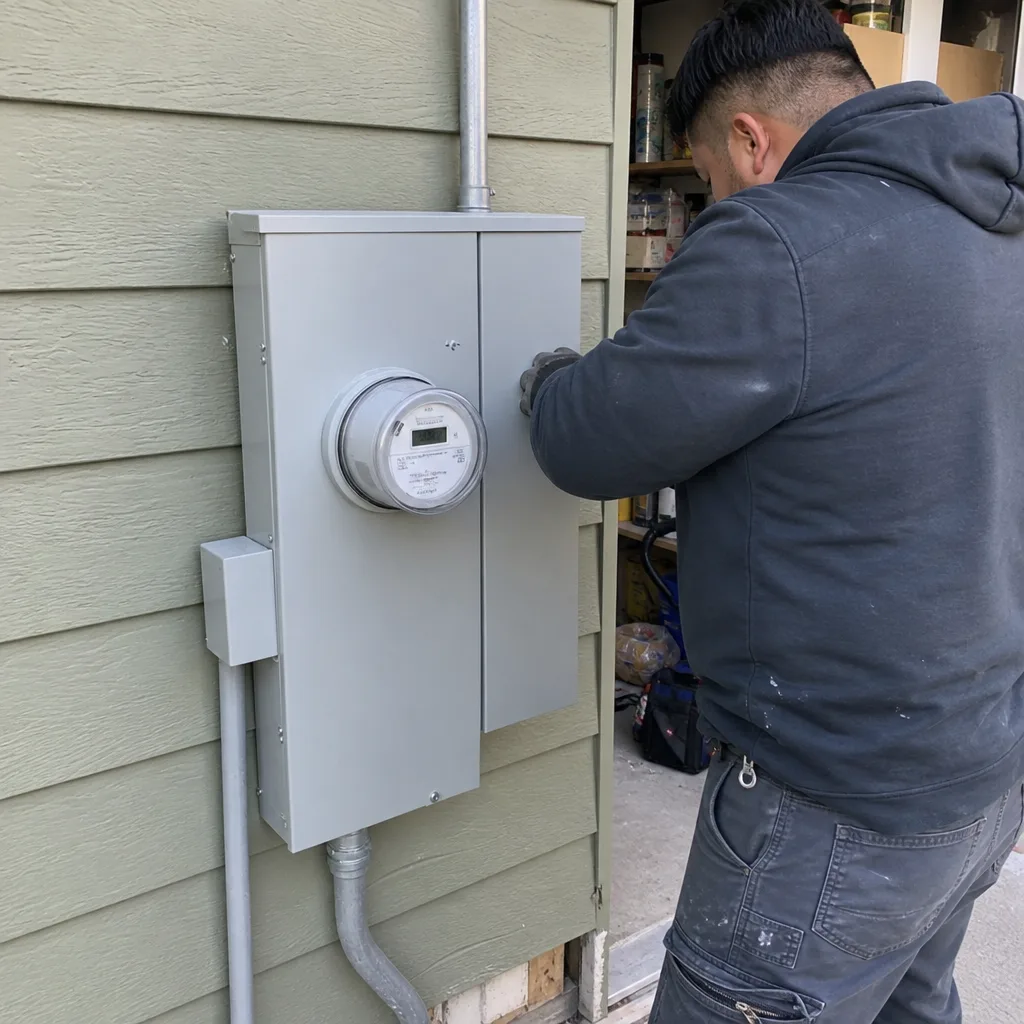
- Any electrical work: A Daly City inspector will red-tag a DIY panel or branch circuit, and an unpermitted electrical fire voids the homeowner’s insurance claim.
- Structural alterations: Removing a wall, adding a beam, or cutting a new opening requires engineered drawings and a licensed contractor. The risk profile is obvious.
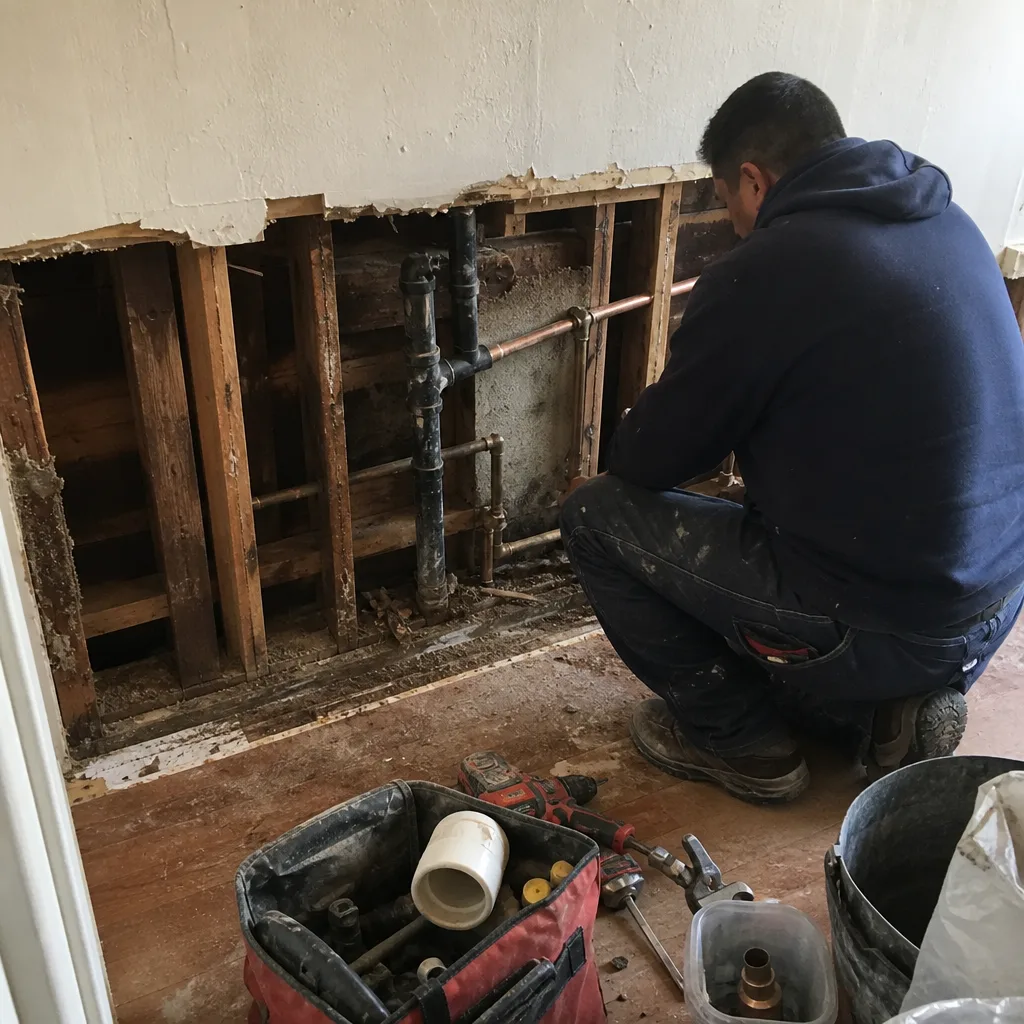
- Plumbing beyond fixture swaps: Moving a drain line or water supply behind a wall is licensed-trade work. A slow leak inside a Daly City wall cavity festers for months before detection.
For any of these, a licensed general contractor is not an upsell, it’s a legal requirement and an insurance requirement. Home Renovation in Daly City done through a licensed contractor carries workers’ comp, general liability, and the permit history that future buyers will demand.
The Hybrid Approach: Professional Rough-In, Homeowner Finish Work
The most underused strategy in Daly City home improvement is the hybrid project. You hire a licensed contractor for the permitted scope, the rough-in, the structural work, and the inspections. Then you self-perform the finish work that has no inspection footprint. This captures the labor savings of DIY while eliminating the legal and insurance exposure of owner-builder permits on work you didn’t perform.
Here’s how it works in a typical Daly City bathroom remodel:
- Contact a General Contractor in Daly City and scope the project: demo, plumbing rough-in, electrical rough-in, drywall, waterproofing, and shower pan.
- The contractor pulls the permit, manages the inspections, and handles everything behind the walls. This is the liability-heavy phase that must be done by a licensed trade.
- Once the walls are closed and the rough-in inspection passes, you take over: painting, tile on floors and walls, vanity installation, fixture trim like Moen or Delta faucets, and hardware.
- The contractor handles the final inspection with the work completed, and the permit closes with a clean record.
The savings are real. A full professional bathroom remodel in Daly City runs $18,000 to $35,000 for a typical 5×8-foot bathroom. The hybrid approach typically trims $3,500 to $6,000 off the labor while giving the homeowner a clean permit record and a closed-out inspection file. Compare that to a fully self-performed bathroom remodel under an owner-builder permit where you hire unlicensed help for plumbing: the work likely never gets final sign-off, the resale disclosure becomes a liability, and the cost to correct a failed shower pan leak runs $8,000 to $15,000.
We’ve structured hybrid projects for homeowners in the Serramonte and Crocker neighborhoods who wanted sweat equity in their remodel without the legal exposure. The ones who follow the permit flow get a clean resale file. The ones who skip the permit on plumbing or electrical routine cost themselves more at closing than they saved during construction.
The Resale Cost Calculation: What Unpermitted DIY Work Really Costs at Closing
A Daly City buyer’s inspection is not a visual once-over. It’s a licensed inspector with a checklist, and the first thing they do is compare the county assessor’s records against what they see in the home. An extra bathroom that doesn’t appear on the assessor’s floor plan, a water heater moved to a new location, a kitchen wall that’s no longer there: each of these is a red flag that triggers a permit history pull from the Daly City building department.
Here’s the math on a typical discovery. A homeowner self-performs a garage conversion into a family room without permits, spending $22,000 on materials and unlicensed labor. At resale, the buyer’s inspector flags the unpermitted conversion. The buyer’s lender typically will not fund a loan on a property with unpermitted square footage, which means the seller either:
- Pays to have the work permitted retroactively, which requires opening walls to expose electrical and plumbing for inspection, plus a licensed contractor to sign off, running $10,000 to $18,000, or
- Reduces the sale price by the value of the unpermitted space, typically $40,000 to $70,000 in Daly City’s housing market, or
- Demolishes the conversion and restores the garage, another $8,000 to $12,000.
Compare that to the original professional installation. A licensed contractor doing the same conversion with permits would have charged $38,000 to $52,000. The DIY route saved $16,000 to $30,000 up front and cost $40,000 to $70,000 at resale. That’s the permit exposure calculation in real numbers, and it’s the single most important financial insight in this guide.
California’s real estate disclosure law adds another layer. Sellers must complete a Transfer Disclosure Statement that specifically asks about any work done without permits. Lying on that form is fraud with a four-year statute of limitations for the buyer to sue. Daly City buyers, in a market where homes routinely sell between $900,000 and $1.4 million, have every incentive to pursue a claim if they discover undisclosed unpermitted work.
Daly City-Specific Factors: Wind, Fog, Hillsides, and Permitting
Daly City’s geography shapes every construction decision in ways generic guides miss. The city sits directly in the path of the marine layer that rolls in from the Pacific, which means three things for homeowners: persistent exterior moisture, salt-laden air in the Westlake and Broadmoor neighborhoods closest to the coast, and soil that ranges from saturated clay to Franciscan bedrock depending on which side of the hill you’re on.
For roofing, the wind exposure is the dominant factor. Shingle roofs in Daly City need a six-nail installation pattern rather than the standard four-nail pattern used in sheltered inland cities. The fog belt’s constant moisture means underlayment has to be a synthetic, self-adhering product, not the economy felt paper that works in dry climates. A DIY roofer who buys the cheapest underlayment at a big-box store is installing a future leak. We specify GAF or Owens Corning systems for Daly City roofs because their wind warranties hold up in exactly this exposure zone, and the manufacturer stands behind the installation when a certified contractor installs it.
For windows, the Title 24 requirements for Daly City’s climate zone demand specific glass packages: low-E coatings, argon fill on dual-pane units, and U-factors that meet or beat 0.32. A homeowner who buys a standard dual-pane window without checking the rating will fail the energy inspection. A contractor who replaces windows daily in Daly City has the compliance embedded in their product selection.
For hillside foundations, which are common in the Crocker and St. Francis Heights areas, any structural work requires a soils report and an engineer’s stamp. This is not optional and not a detail a general handyman can finesse. The building department in Daly City reviews hillside permits with extra scrutiny because the consequences of a foundation failure on a slope are catastrophic.
How the Permit Process Actually Flows in Daly City
Understanding the permit process demystifies whether a project is DIY-appropriate. Here’s the realistic flow for a permitted remodel in Daly City:
- Scope the project and determine if it triggers a permit. Rule of thumb: anything behind a wall, any electrical, any plumbing move, any structural change, any roofing, any window or door replacement.
- Submit plans if required. A bathroom remodel that moves plumbing needs a simple floor plan and plumbing diagram. An addition or ADU needs full architectural plans.
- Pay the plan check and permit fees, which in Daly City typically run $500 to $3,000 depending on project scope and valuation.
- Schedule the rough inspections: foundation, framing, plumbing rough-in, electrical rough-in, and insulation before drywall goes up.
- Schedule the final inspection: verify the finished work matches the approved plans and the rough-in sign-offs.
- Close the permit and retain the final inspection record. This is what a future buyer and lender will ask to see.
A licensed general contractor handles all six steps as part of the contract. An owner-builder handles them alone, and the scheduling friction of dealing with the Daly City building department, coordinating trade inspections, and correcting plan-check corrections is the part DIY guides don’t mention. It’s not the construction that eats your weekends. It’s the permit flow.
Common Mistakes to Avoid
- Pulling an owner-builder permit and hiring unlicensed workers. This is the misdemeanor we opened with, and it’s the single most common permit fraud in Daly City. The savings evaporate at resale, and the legal exposure is criminal, not civil.
- Replacing windows without checking Title 24 ratings. Standard dual-pane is not compliant in Daly City’s climate zone. The inspector will fail the permit, and you’ll buy the windows twice.
- DIY roofing in the wind zone. A six-nail installation pattern and synthetic underlayment are not optional in Daly City. Skip either and the first winter storm tests your work at the worst possible time.
- Building a deck without a permit on a hillside lot. Daly City’s hillside soil conditions make deck footings a structural matter. An unpermitted deck on a slope is a flag that stops a sale cold.
- Moving a water heater or adding a bathroom without involving a licensed plumber. This work needs a permit and an inspection, and the liability for a leak or a gas connection error is all on you.
- Assuming the buyer won’t notice. Daly City buyers are well represented, and a $1.2 million purchase comes with a thorough inspection. Unpermitted work surfaces almost every time.
When to Call a Professional
Call a licensed contractor when the project requires a permit for structural, electrical, plumbing, roofing, or Title 24 window replacement. Call when the work involves a Daly City hillside, a fog-belt roof, or any gas line. Call when the project spans multiple trades, like a kitchen remodel that moves plumbing, rewires circuits, and opens a load-bearing wall. The coordination cost of hiring three separate specialty contractors often exceeds the markup of a single general contractor who handles all phases. If you’re planning a Home Remodeling in Daly City and want a clear-eyed evaluation of what you can safely self-perform and what requires a license, Daly City Construction offers free estimates in Daly City, call (866) 505-5254.
Frequently Asked Questions
Interior painting, cabinet hardware, non-structural landscaping, tile backsplash under 50 square feet that doesn’t move plumbing or electrical, and interior door replacement on existing frames are all legal without a permit in Daly City. None of these projects require a licensed contractor, and none create resale disclosure liability. Call (866) 505-5254 if you want a professional evaluation of a specific project’s permit status.
A mid-range kitchen remodel in Daly City typically falls between $35,000 and $65,000, depending on whether walls move, plumbing relocates, and what material tier you select. At the budget end with stock cabinetry and laminate counters you might see $25,000 to $35,000. High-end remodels with custom cabinets, Cambria or Caesarstone counters, and Kohler or American Standard fixtures run $70,000 to $110,000. The price variability is driven by material selection, not contractor markup. Call (866) 505-5254 for a free itemized estimate.
Under California law you must disclose all unpermitted work on the Transfer Disclosure Statement, and lying on that form is fraud. A buyer’s inspector will typically catch unpermitted square footage or relocated systems by comparing the assessor’s records to the physical home. The remedies are expensive: retroactive permitting that requires opening walls, a price reduction of $40,000 to $70,000, or demolition and restoration. The disclosure requirement attaches to owner-built work for as long as you own the property.
No. An owner-builder permit in California legally covers only work you perform yourself or with your own employees. Pulling an owner-builder permit and then hiring unlicensed labor to do the construction is a misdemeanor, and hiring a licensed contractor under your owner-builder permit puts all liability and workers’ comp exposure on you personally. If a contractor is doing the work, the contractor pulls the permit under their license and carries the insurance.
Plan check for a simple bathroom or kitchen remodel typically takes two to four weeks in Daly City, with construction taking three to eight weeks depending on scope. An ADU or addition runs longer: six to twelve weeks for plan check and four to eight months for construction. The permit process, not the construction, is usually the pace-setting factor, which is one reason a Home Renovation in Daly City through a licensed contractor who handles permitting daily moves faster than an owner-builder navigating the process for the first time.
Yes, if you structure it correctly. Hire a licensed contractor for the permit, demo, plumbing and electrical rough-in, drywall, and waterproofing, then self-perform painting, tile, and trim once the walls are closed. A hybrid bathroom remodel typically saves $3,500 to $6,000 versus a fully professional job while keeping the permit record clean. Compare that to a fully DIY bathroom where unpermitted plumbing work surfaces at resale and costs $10,000 to $18,000 to correct. Call (866) 505-5254 for an exact quote on a hybrid scope.
The Bottom Line
The DIY versus professional question in Daly City is not about skill. It’s about permits. Work that needs no permit, like painting and cabinet hardware, is the right place to self-perform and save money. Work that triggers a permit, like roofing, electrical, structural changes, and window replacement, requires a licensed contractor by California law, and the cost of getting it wrong compounds at resale. The hybrid approach, professional rough-in plus homeowner finish work, captures savings without creating liability. For a clear evaluation of what you can self-perform and what needs a license, call (866) 505-5254 for a free estimate from a Daly City Construction home professional.
Written by the team at Daly City Construction, serving Daly City since 2013.
See the difference
 Before
 After
 Before
 After
 Before
 After