

Last updated October 31, 2026
 Kitchen remodeling
 Bathroom remodeling
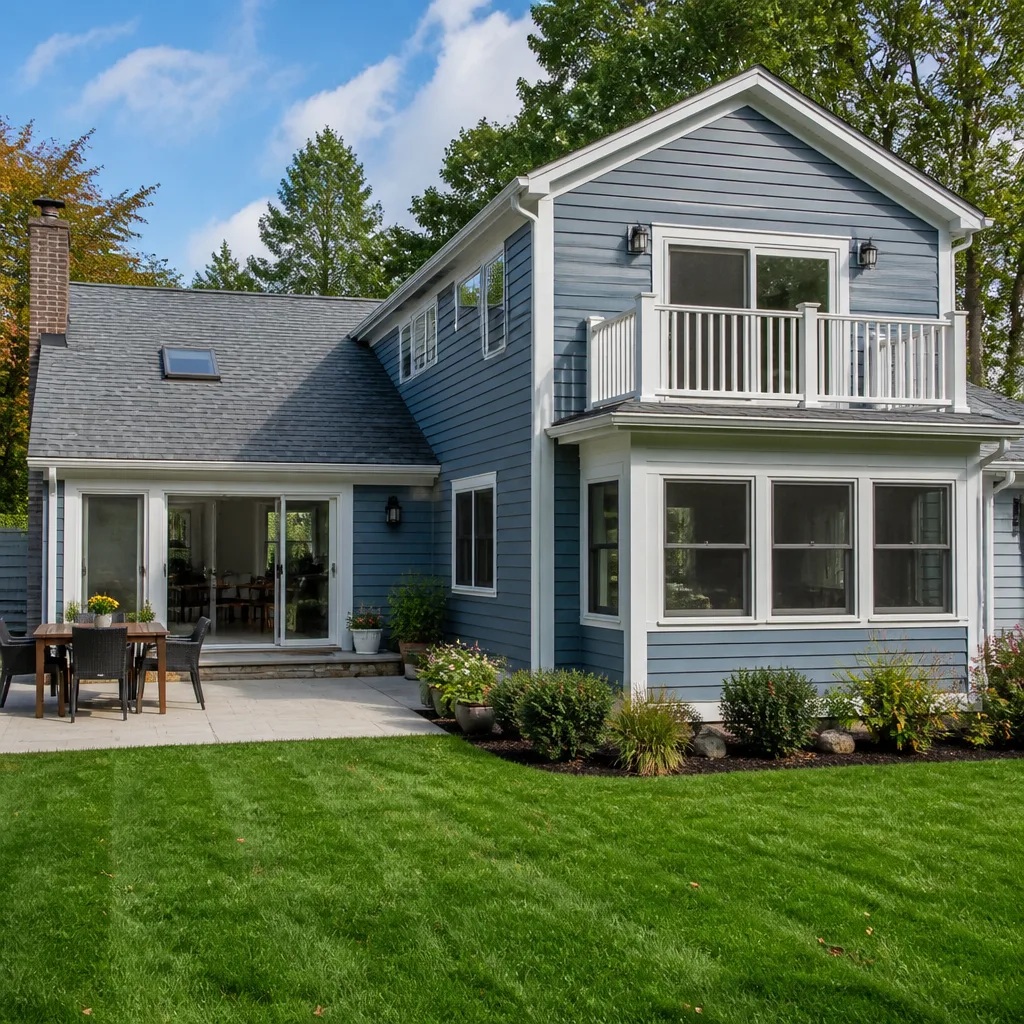 Home additions & ADU
 Roofing
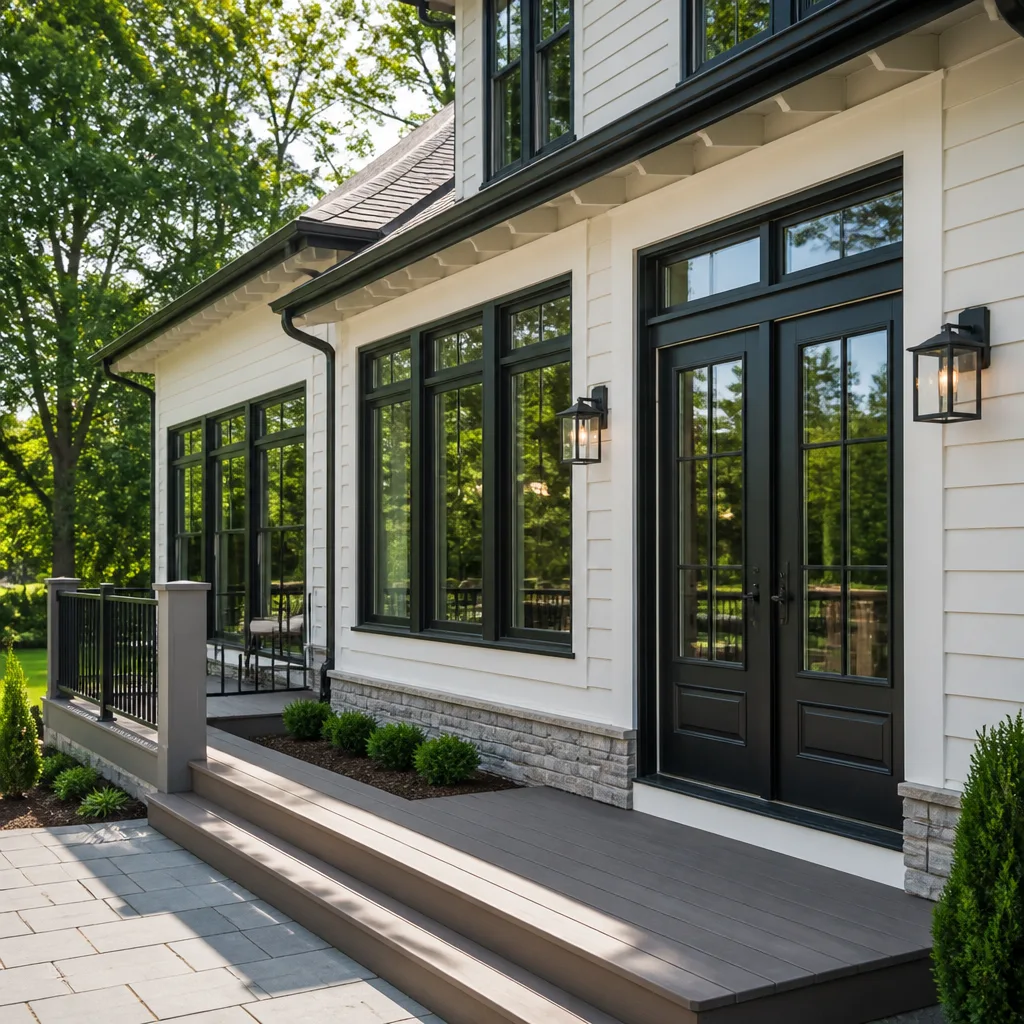 Windows & doors
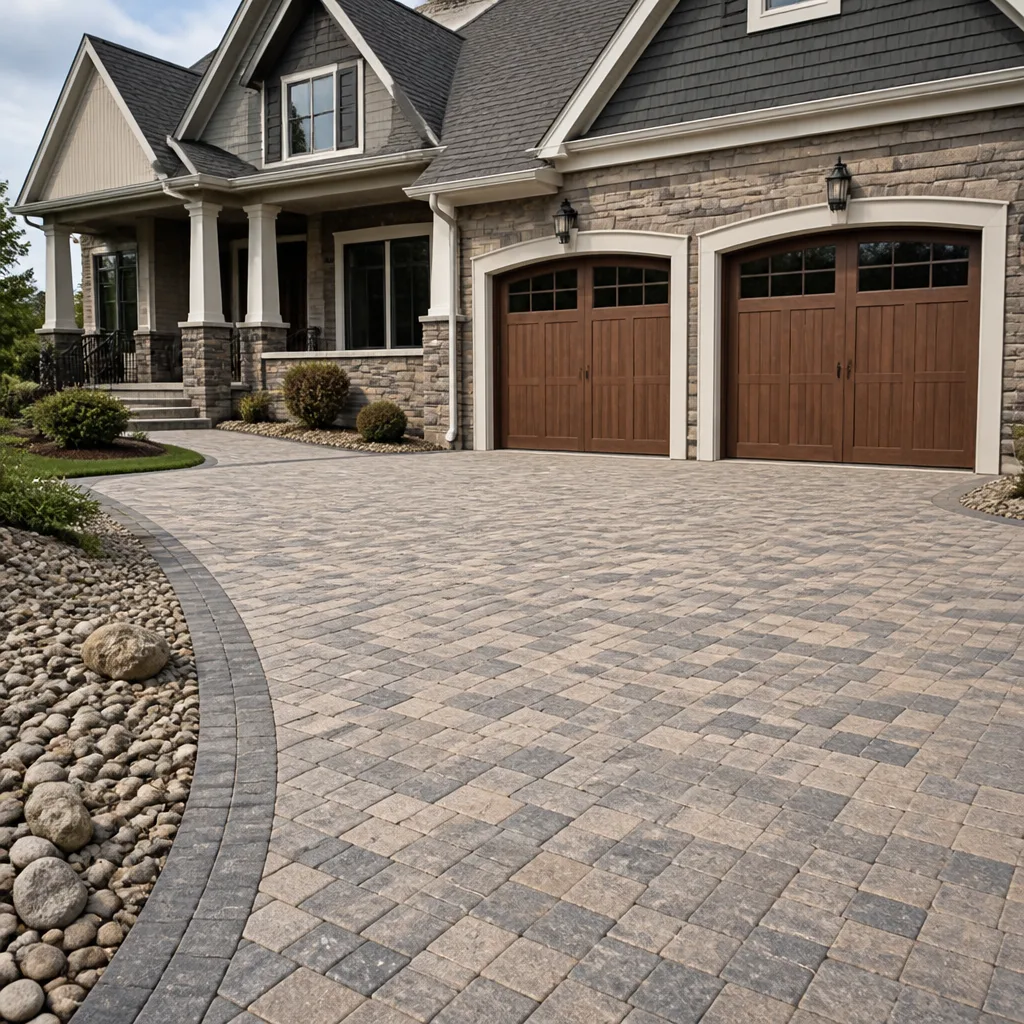 Driveway & pavers
 Fence
Free written scope consultation - allowances, timeline, and change-order rules on paper before a single trade is scheduled
How to Hire a Construction Contractor in Daly City: A Step-by-Step Guide
Ask any homeowner in the Daly City hills what went wrong on their last remodel, and you’ll rarely hear about the material cost. You’ll hear about the week the plumber waited on the tile setter, and the tile setter blamed the drywall crew, and nobody could tell them who was actually in charge. Hiring a contractor here isn’t just a vetting exercise. It’s a decision about how many separate companies you’re willing to coordinate, because most local contractors handle one or two trades and hand off the rest. This guide walks you through what a full-scope general contractor actually covers in Daly City, and how to interview for it correctly. For a deeper dive, see The Complete General Contractor Guide for Daly City Homeowners.
We’ve put this together from years of watching remodel projects in Westlake, St. Francis Heights, and the Original Daly City tract homes. The difference between a smooth renovation and a six-month stall is rarely the size of the budget. It’s the number of phone numbers in your call log.
Quick Answer
To hire a construction contractor in Daly City, verify their California Contractor State License Board (CSLB) license and classification for your project scope, request a written bid with full line-item detail, confirm they self-perform or directly manage the trades your project requires, and check their access to the specific brands you want. Then get everything in writing before work begins. The contractor you’re looking for in Daly City should be able to name the city’s permit process from memory, not from a Google search.
Styles & brands we work with
Table of Contents
- Verify the License and Understand the Classification Letters
- Ask Whether They Self-Perform or Broker the Work
- Review the Written Bid Line by Line
- Evaluate Manufacturer Relationships as a Quality Proxy
- Understand Daly City’s Permit Environment
- Interview Questions That Separate General Contractors from Specialty Brokers
- What to Expect After You Sign
- Common Mistakes to Avoid
Step 1: Verify the License and Understand What the Classification Letters Actually Mean
A California contractor’s license is not a single credential. It’s a classification system, and the letters after the license number tell you exactly what that contractor is legally allowed to build. The most common classifications you’ll encounter in Daly City are B – General Building Contractor, C-36 – Plumbing, C-54 – Ceramic and Mosaic Tile, and C-15 – Flooring and Floor Covering.
Here’s what the classification letters mean for your project scope:
- B – General Building Contractor: Licensed to take on projects involving two or more unrelated trades. This is the classification you want for a kitchen remodel that touches plumbing, electrical, cabinetry, and flooring. A B-license lets one contractor legally hire and manage all the specialty trades under their license, assuming full responsibility for the work.
- C-classifications: Each C-license covers a single specialty trade. A C-36 plumbing contractor can legally replace your pipes but cannot pull permits for structural framing. If your project spans multiple trades and you hire a C-license contractor, you’re now the general contractor, coordinating permits, schedules, and liability across every trade.
- What “licensed and insured” actually means: Confirm the license is active on the CSLB website at cslb.ca.gov. A valid license means the contractor posted a bond, maintains worker’s compensation insurance if they have employees, and has passed the trade exam. It does not mean they’re qualified for your specific project. That’s what the classification check is for.
In Daly City, many homes are 1950s and 1960s construction with original plumbing and electrical. A general building contractor is the practical requirement for any project that touches multiple systems. We’ve walked into home remodeling projects in Daly City where a homeowner hired a C-36 plumber to move a kitchen sink, and the plumber legally couldn’t touch the wall framing the sink sat in. The project stalled for three weeks while the homeowner found a separate carpenter.
Check the CSLB license number against the name on the bid. Check that the license is listed under the same name as the company on the contract. And check the classification. Any contractor who hesitates when you ask which classification their license carries is a red flag.
Step 2: Ask Whether They Self-Perform or Broker the Work – and Why the Answer Changes Your Liability Exposure
The single most consequential question you ask a Daly City contractor is how they staff a project. The answer splits contractors into two groups: those who self-perform the core trades with their own crews, and those who broker the work to subcontractors they coordinate but don’t directly employ.
This isn’t about which model is better. Both are legitimate. But they create different liability paths, and you need to know which one you’re walking into.
- Self-performing contractors employ their own installers, carpenters, or project leads. They carry worker’s compensation insurance for those employees. If an installer damaging a wall or a worker gets injured on your property, the contractor’s insurance and workers’ comp policies respond. The chain of responsibility is one step.
- Brokering contractors hire subcontractors to perform the work. A brokering general contractor legally can coordinate multiple trades under a B-license, but each subcontractor must carry their own insurance, and the general contractor’s ability to control quality depends on how well they manage their subs. If a sub doesn’t show up, the general contractor is responsible for finding a replacement. If a sub does poor work, the general contractor is responsible for fixing it. But the liability paperwork now involves multiple insurance policies.
- Unlicensed subcontractors are a different situation altogether. Any contractor who uses unlicensed subs to perform work that requires a license is breaking California law, and you’re the one holding the risk. If an unlicensed worker is injured on your property, your homeowner’s insurance can be pulled into a workers’ compensation claim. This is one of the most common ways Daly City homeowners lose money in a remodel.
The exact question to ask: “Which trades on this project will your own employees perform, and which will be subcontracted? Can you provide the CSLB license numbers for every subcontractor you plan to use?” A legitimate general contractor answers this without hesitation. A General Contractor in Daly City who is truly general should be able to give you the list before you sign.
At Daly City Construction, our model is one license, one point of contact. We source and install across trades: roofing, windows, kitchens, bathrooms, hardscaping, fencing, siding, and ADUs. That’s the accountability piece most homeowners are looking for when they say a remodel “fell apart.” It usually didn’t fall apart. It fragmented.
Step 3: Review the Written Bid Line by Line – and Know the Three Line Items Low-Ball Bids Quietly Omit
A written bid in California is more than a number on a page. It’s the document that defines the project scope, and if it’s vague, the contractor defines the scope later, when change orders start piling up. In a competitive market like home renovation in Daly City, low bids often win on paper and lose in the change-order back half.
Here’s what a detailed bid should include:
- Full scope of work: Every trade, every room, every finish. Not “kitchen remodel” but “remove and dispose existing cabinets, install KraftMaid cabinet line X, fabricate and install Cambria quartz countertops in color Y, rough-in plumbing for relocated sink, patch and finish drywall at removed soffit.”
- Material allowances by category: Cabinets, countertops, flooring, tile, fixtures, roofing, windows, siding. Each should have a line-item allowance in dollars, so you know exactly what you’re buying.
- Permit costs and responsibility: Who pulls the permit, who pays for it, who schedules inspections.
- Demolition and disposal: The cost and timeline for removing old materials and hauling them away.
- Payment schedule: When payments are due, typically tied to specific milestones, not calendar dates.
- Start and completion estimates: Not guarantees, but written estimates with defined delays.
The three line items you’ll most often find missing from a low-ball bid in Daly City:
- Permit fees: In Daly City, permit costs are set by the city and cannot be waived. Any bid that “includes everything” but doesn’t list a permit line item is either planning to skip the permit or planning to surprise you with it later.
- Underlayment and prep work: Roofing bids should include underlayment, flashing, and ventilation. Flooring bids should include subfloor repair. A bid that prices only the finish material, with no mention of prep, is low for a reason.
- Waste disposal: Dumpster rental, hauling, and disposal fees add up fast in Daly City, where driveway access and street parking restrictions on narrow hillside streets make logistics more expensive than in flat suburban areas. If there’s no disposal line, you’ll see it on a change order.
A written bid that’s detailed enough to be enforced is a sign the contractor has done this before. A single paragraph with a number and a handshake is a sign you’re about to learn what a change order is.
Step 4: Evaluate Manufacturer Relationships as a Proxy for Quality
Most homeowners interview contractors by asking about years of experience and references. Those matter. But there’s a faster, more objective signal most people ignore: which manufacturers the contractor is authorized to work with, and what that access actually means for your project.
Here’s how to use manufacturer relationships to judge a contractor:
- Preferred installer status: Manufacturers like James Hardie, the fiber-cement siding producer, maintain preferred installer programs that require contractors to complete product-specific training and adhere to installation standards. A contractor with preferred installer status has answered to the manufacturer’s quality bar, not just their own.
- Warranty access: Some manufacturer warranties are only valid when a certified installer performs the work. If you’re investing in a GAF or Owens Corning roofing system, confirm the contractor has the manufacturer’s certification required to register the full warranty. An uncertified installer can still install the product, but your warranty can be downgraded.
- Sourcing speed: Contractors with deep manufacturer relationships can pull material faster and more accurately than a broker who orders from a middleman. This matters more in Daly City than most people expect, where tight residential streets and limited staging areas mean having pallets of material staged on a hillside driveway for a week is a real neighborhood problem.
Our model is built on this. We work with a curated portfolio of 50+ manufacturer brands across cabinets, countertops, plumbing fixtures, roofing, windows and doors, fencing, hardscaping, siding, and prefab ADUs. That means when a homeowner in the Serramonte area wants KraftMaid cabinets, we quote from the KraftMaid line. When they want Cambria or Caesarstone countertops, we install both and can speak to the difference in feel and maintenance. When the project is a prefab ADU, we work with brands like Plant Prefab, which brings a factory-built, code-compliant structure to the site, not a stick-built addition that takes a year to permit.
The question to ask a contractor: “Which manufacturers are you authorized to install, and can I confirm that with the manufacturer?” Any contractor who works with real brands invites the question. A contractor who says “we use whatever’s cheapest” is telling you the material is an afterthought.
Step 5: Understand Daly City’s Permit Environment Before You Sign
Daly City has its own building department, its own inspection schedule, and its own set of permit requirements that differ from San Francisco, South San Francisco, and Pacifica. The contractor you hire should know these specifics already, not be learning them on your project.
What you need to know about permits in Daly City:
- Most remodeling work requires a permit. Structural changes, electrical upgrades, plumbing relocations, roof replacements, window and door installations where openings change size, and most ADU construction all require city permits. A contractor who suggests pulling permits “later” or after the work is done is setting you up for a stop-work order.
- The contractor should be able to name the city’s permit process. Ask them to walk you through the permitting sequence for your specific project. Which city forms are required? What’s the typical review timeline for a room addition versus a kitchen remodel? What inspections will the city schedule, and who needs to be on site? A licensed Daly City contractor answers these without pause.
- ADU permits are their own category. California’s ADU laws streamline the process, but Daly City still has local zoning requirements, setback rules, and utility connection standards. A contractor without ADU experience may quote a box and discover a sewer lateral issue or setback violation after you’ve signed. Working with Plant Prefab or similar prefab ADU brands changes the dynamic because the structure arrives pre-engineered and code-compliant, reducing the permitting unknowns.
- Unpermitted work is a liability you carry forever. When you go to sell the home, unpermitted construction gets flagged on the disclosure. If a lender or buyer’s inspector catches it, you may be required to permit it retroactively at significant cost, or the deal may collapse. Contractors who recommend skipping permits are shifting risk onto you, not saving you money.
Daly City’s hillside neighborhoods, like the streets off Skyline Boulevard, have specific drainage and retaining wall requirements that flat-city contractors don’t always account for. A contractor who’s worked in Daly City knows which projects trigger hillside review and can build that timeline into your bid instead of discovering it mid-project.
Step 6: Interview Questions That Separate General Contractors from Specialty Brokers
The right questions surface the truth faster than any reference check. Here’s the list we think every homeowner should ask a prospective contractor in Daly City:
- Which trades will your own crews perform, and which will be subcontracted? This is the fragmentation question. The answer tells you how many companies you’re actually hiring.
- What is your CSLB license classification, and can I see your license number? A B-license means general building scope. Any other classification means the contractor is legally limited to a specialty.
- Can you provide CSLB license numbers for every subcontractor you plan to use? If the answer is no, walk away. If the answer is yes, verify each one on the CSLB website.
- Which manufacturers are you authorized to install, and which do you recommend for this project? This reveals whether the contractor is limited by inventory or genuinely matching material to budget and application.
- What’s the typical cost range for a project like this in a 1950s Daly City home? Any contractor who can’t give you a realistic range hasn’t worked in this housing stock. The answer should account for older framing, original electrical, and likely plumbing replacement.
- Who will be on site running the project day to day? You want a name, not a company. A project lead who’s reachable by phone means someone is accountable when things move off schedule.
- How do you handle change orders when we discover something unexpected? The answer should include a written change order process with line-item pricing. Any contractor who says “we’ll figure it out as we go” hasn’t worked enough remodels to respect the process.
We hear from Daly City homeowners that the same few scenarios repeat: a bid accepted, a crew that changes faces mid-project, a sub who never returns. The goal of these questions isn’t to eliminate every risk, because remodeling always carries unknowns. The goal is to make sure the person you hired is actually the person responsible when things go sideways.
Step 7: What to Expect After You Sign
Once the contract is signed and the permit is pulled, the project shifts into a rhythm: demolition, rough-in, inspections, finishes, final walkthrough. Here’s what a well-run project looks like from our side of the industry:
- Communication is scheduled, not spontaneous. You should get a weekly update, even if it’s a five-minute phone call. The project lead should flag upcoming decisions before they stall the crew, not after.
- Inspections are built into the timeline. The contractor schedules city inspections in advance and adjusts around inspector availability. In Daly City, inspection slots can fill up, so a contractor who waits until the rough-in is done to call the city is adding days to your timeline.
- Material decisions happen early. Cabinets, countertops, tile, and fixtures have lead times. The contractor should present you with options in the first few weeks, not after demo is done and the sheetrock is up.
- Change orders are written and priced. If you change your mind about a finish, the new cost is documented and agreed to before the work changes. This protects both sides.
- The final walkthrough is a checklist, not a formality. You review every finish, every fixture, every outlet. The contractor addresses punch-list items before final payment.
In Daly City, where many homes are on smaller lots with shared walls, fencing and noise also matter. A good contractor communicates with neighbors about staging and work hours before the crew starts. It’s not required by code, but it’s a sign of the same attention to detail you want in the work itself.
Common Mistakes to Avoid
- Hiring based on lowest bid without comparing line items. The low bid often omits permits, prep, or disposal. You find out which one after the work starts.
- Assuming every contractor is licensed for every trade. The CSLB classification matters. A specialist in one trade cannot legally manage others, and you become the coordinator by default.
- Signing a vague contract. “Install new flooring” is not a scope of work. Brands, models, quantities, allowances, and responsibility for prep should all be in writing.
- Skipping permits to save time or money. Unpermitted work in Daly City becomes a disclosure problem at sale. The savings are temporary; the liability is permanent.
- Not verifying subcontractor licenses. Unlicensed subs shift liability to your homeowner’s insurance. Verify every name on the sub list through CSLB before you sign.
- Choosing materials without manufacturer warranty context. A James Hardie siding installation by a non-certified installer can void or downgrade the warranty. Ask about certification before the product decision.
- Ignoring hillside conditions. Daly City homes on slopes have drainage, retaining wall, and soil movement considerations that flat-city contractors may not plan for.
See the difference
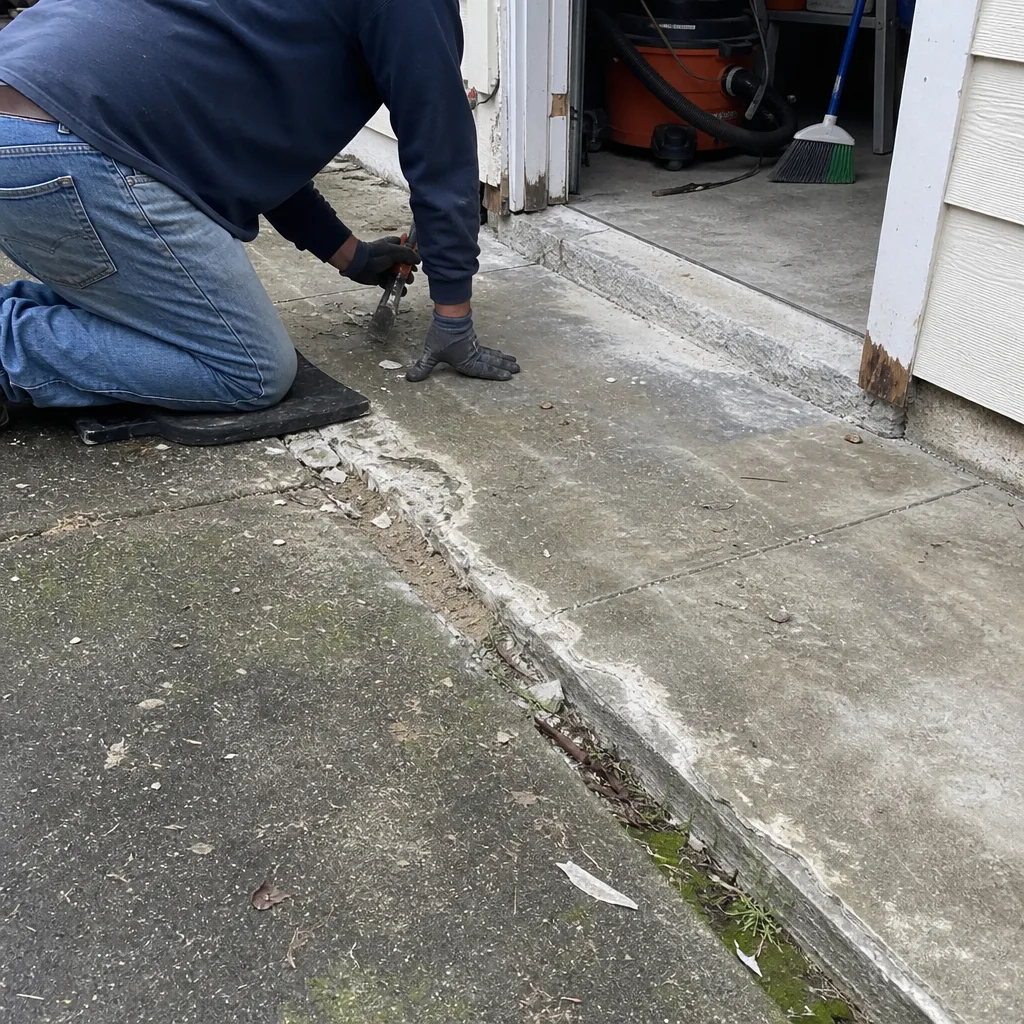 Before
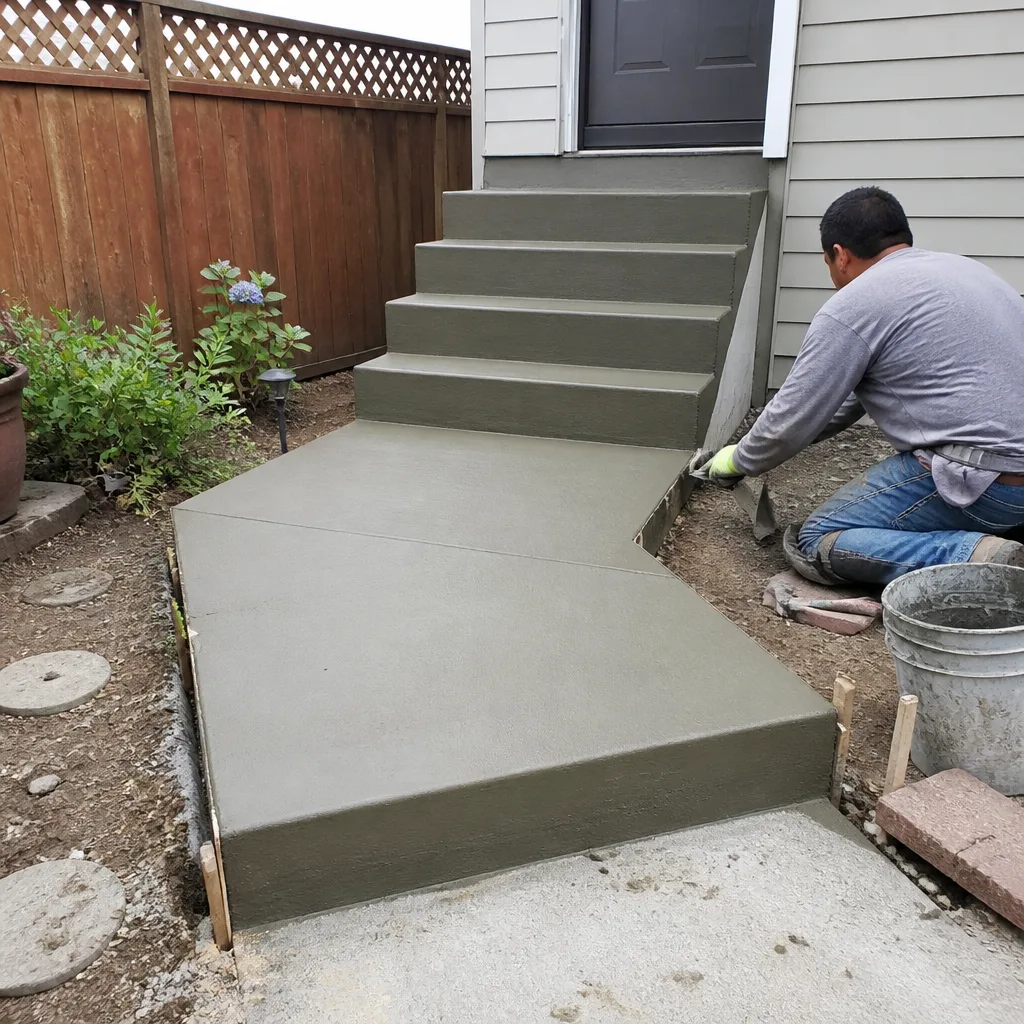 After
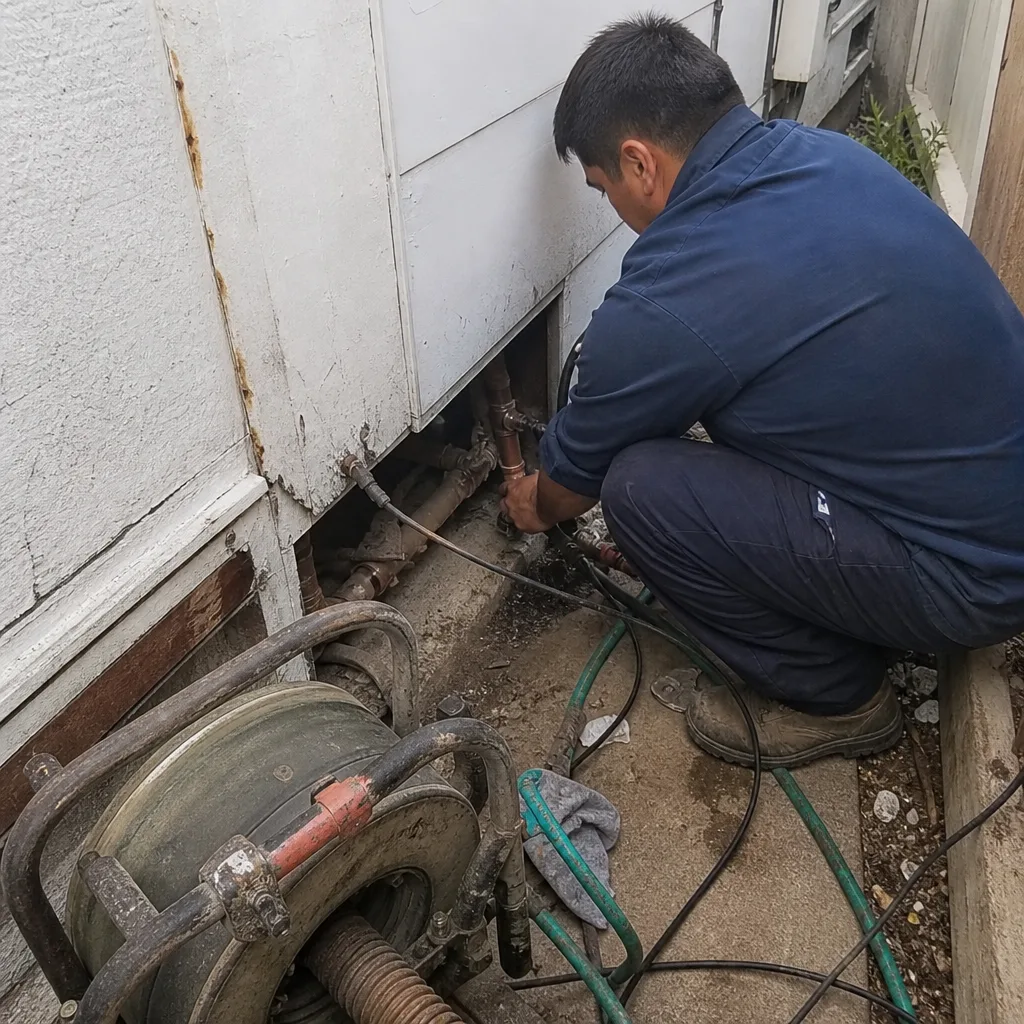 Before
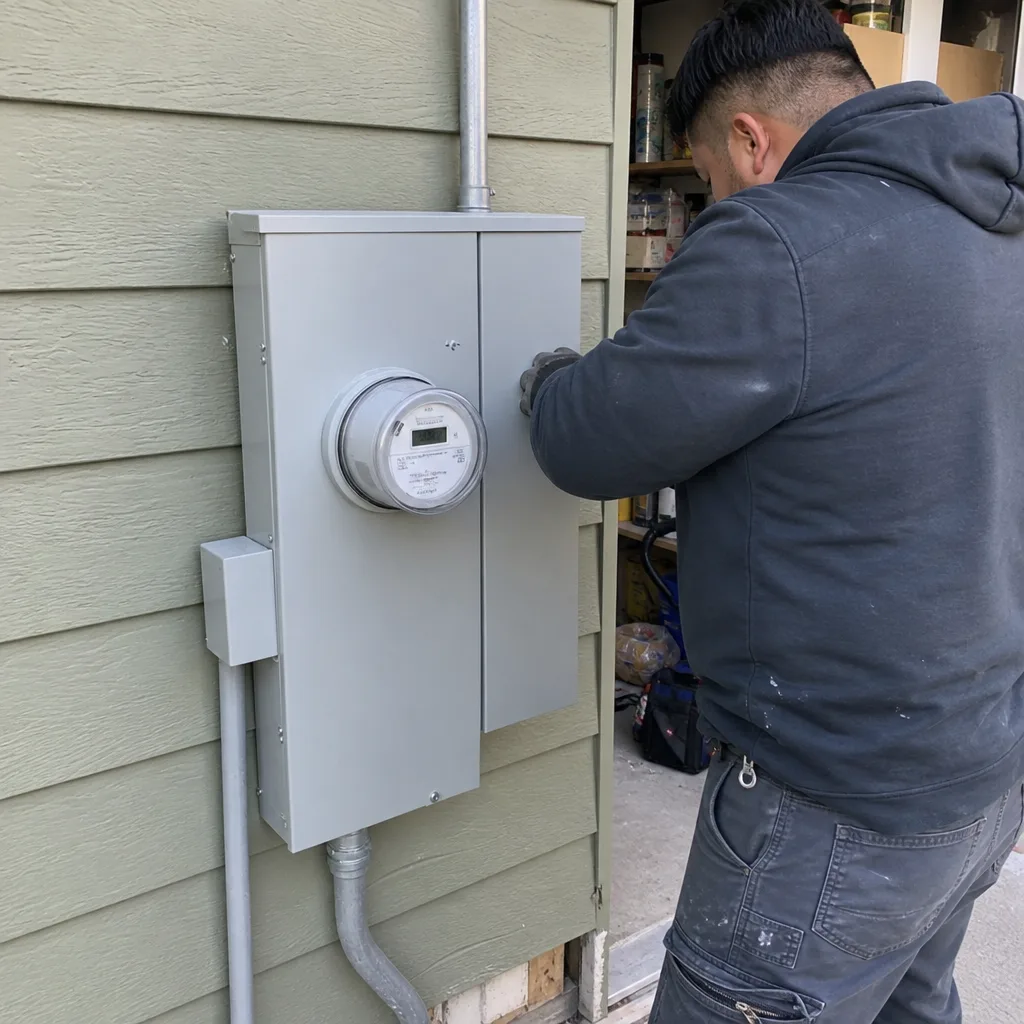 After
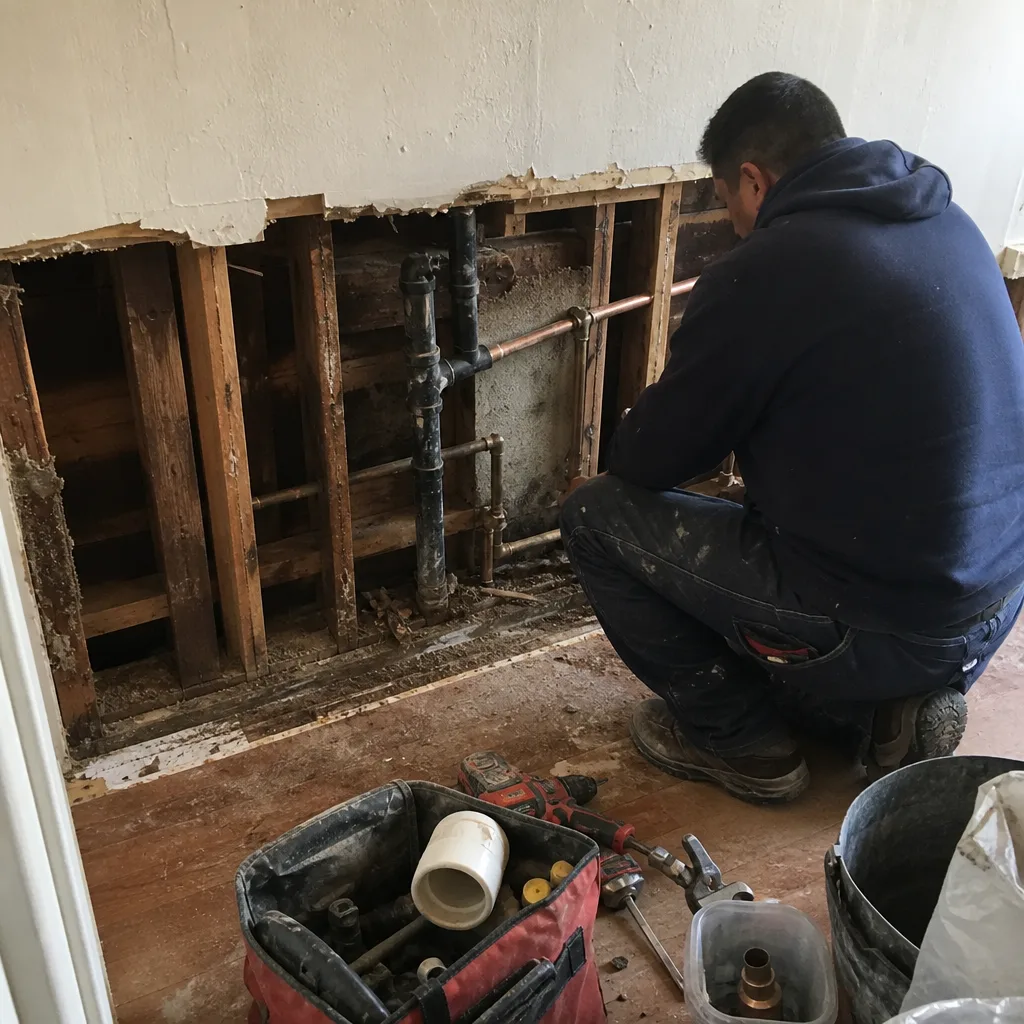 Before
 After
When to Call a Professional
If your project touches two or more trades, involves structural changes, requires a permit, or includes an ADU, you need a general contractor with the license classification and trade scope to manage the whole thing. You also need one who knows Daly City’s permit process and hillside requirements from direct experience.
If you’re in the planning stages and want to talk through your project, get a clear sense of material options, and understand what the permit process will look like, Daly City Construction offers free estimates in Daly City. Call (866) 505-5254 to schedule a consultation. We’ll walk you through your project scope, the brands we’d recommend, and a detailed written bid. No obligation, just a straight answer about what your project will actually take.
Frequently Asked Questions
Costs in Daly City range widely depending on project scope, with kitchen remodels typically starting around $25,000 to $50,000 for mid-range finishes, bathroom remodels around $15,000 to $35,000, and ADU projects substantially higher depending on whether you choose prefab or stick-built construction. The honest answer is that without a written bid that includes permits, prep, and material allowances, any number is a guess. Call (866) 505-5254 for a detailed quote specific to your project.
A kitchen remodel that touches plumbing, electrical, and cabinetry requires a B – General Building Contractor license, which allows the contractor to legally coordinate multiple trades under one license. A C-6 cabinet contractor or C-36 plumbing contractor can only perform their specific trade and cannot legally manage the full project. Verify the classification on the CSLB website before signing anything.
Visit the CSLB website at cslb.ca.gov and search by the contractor’s name or license number. The listing shows the license status, classification, bonding, and any disciplinary actions or complaints. Verify the name on the license matches the name on the contract. It takes two minutes and saves you from hiring someone who’s legally barred from the work.
Most renovation work in Daly City requires a permit, including structural changes, electrical work, plumbing relocations, roof replacements, and any ADU construction. The city’s building department schedules inspections and issues permits through a defined process. Work done without permits flags at sale and can trigger retroactive permitting or deal failure.
For projects involving multiple trades, even small ones, a general contractor saves you from coordinating separate permits, schedules, and accountability across specialty contractors. The cost difference is often offset by not paying the trades’ individual markup and not absorbing the delay costs when one trade waits on another. For single-trade work, a specialist is often the right choice.
A California construction contract should include full project scope, material allowances by category, permit costs and responsibility, payment schedule tied to milestones, start and completion estimates, and a written change order process. Missing any of these creates risk that the contractor fills in later at your expense. Call (866) 505-5254 for a sample bid structure if you want to see what a complete one looks like.
The Bottom Line
Hiring a contractor in Daly City is a decision about fragmentation. Most local contractors handle one or two trades and refer the rest, which means you’re the coordinator, the mediator, and the one who owns the consequences when schedules collide. A full-scope general contractor with a B-license, verified manufacturer relationships, and direct knowledge of Daly City’s permit and hillside requirements changes that dynamic to one accountable partnership.
If you want to talk through your project, the brands we’d recommend, and a written bid without obligation, call Daly City Construction at (866) 505-5254. We’ll give you a straight answer about your options, your timeline, and what the permit process will actually require.
Written by the team at Daly City Construction, serving Daly City since 2013. Explore more guides & resources on our blog.