
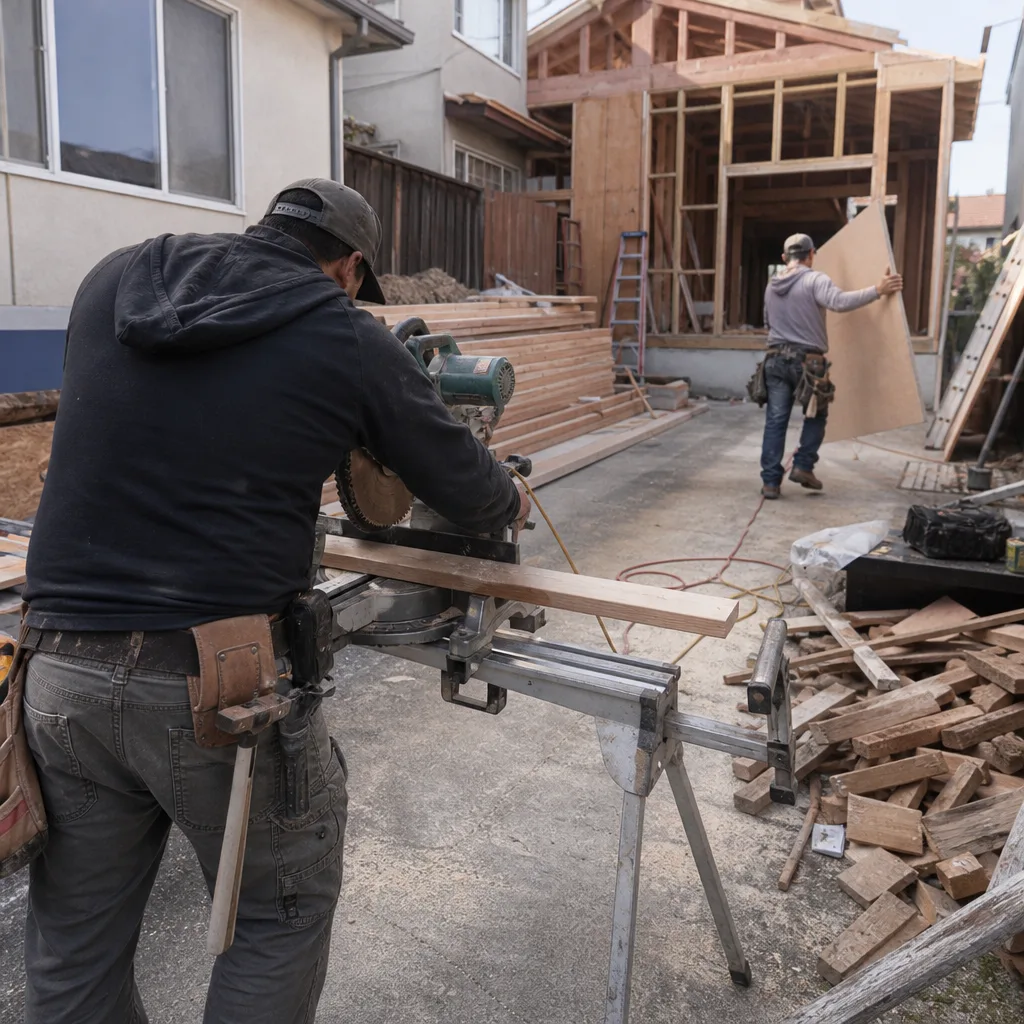
Last updated October 31, 2026
 Kitchen remodeling
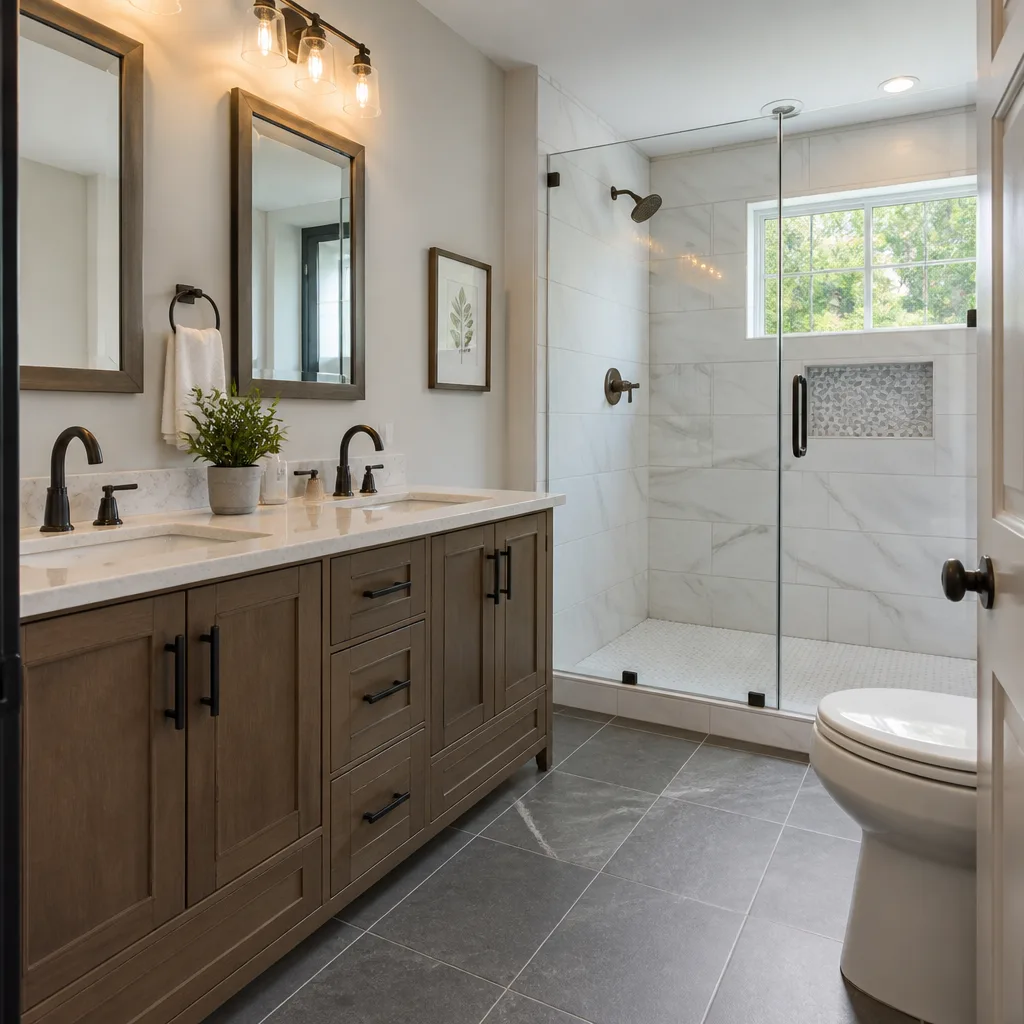 Bathroom remodeling
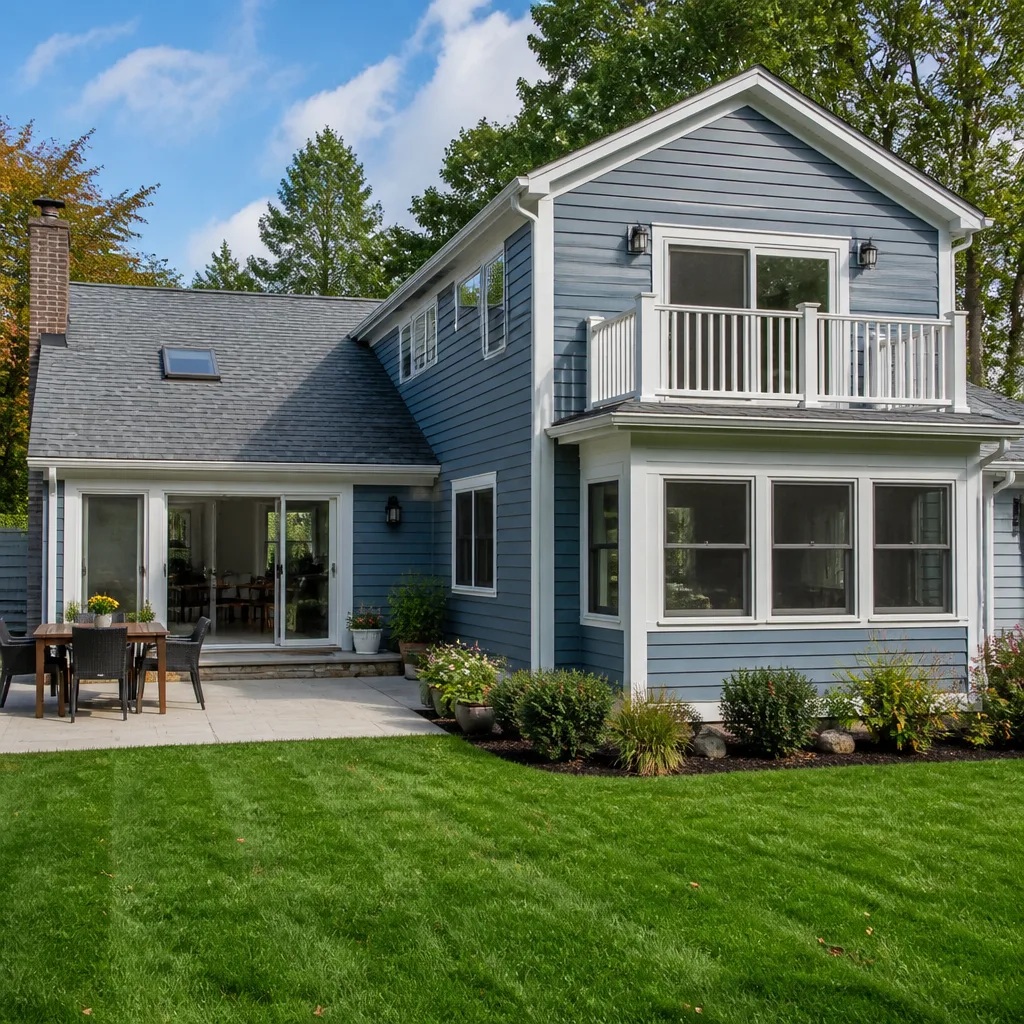 Home additions & ADU
 Roofing
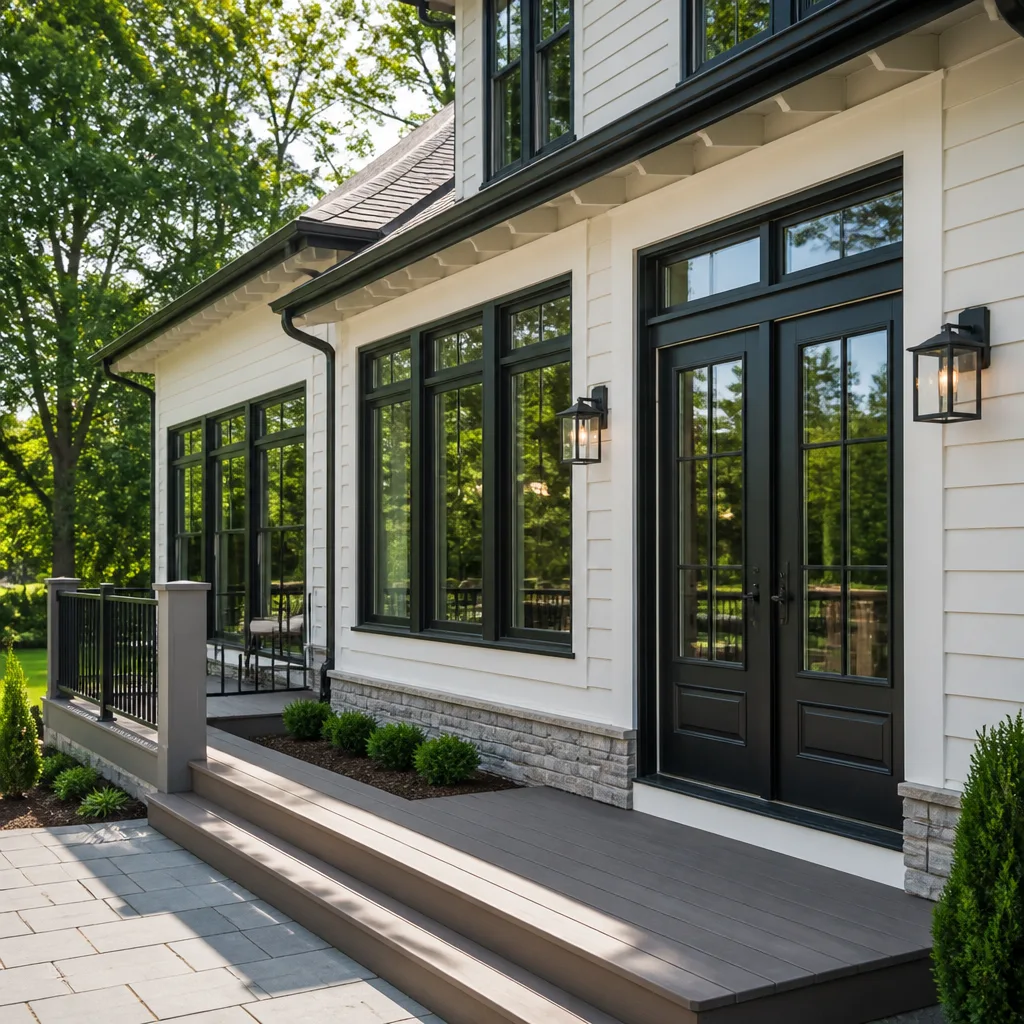 Windows & doors
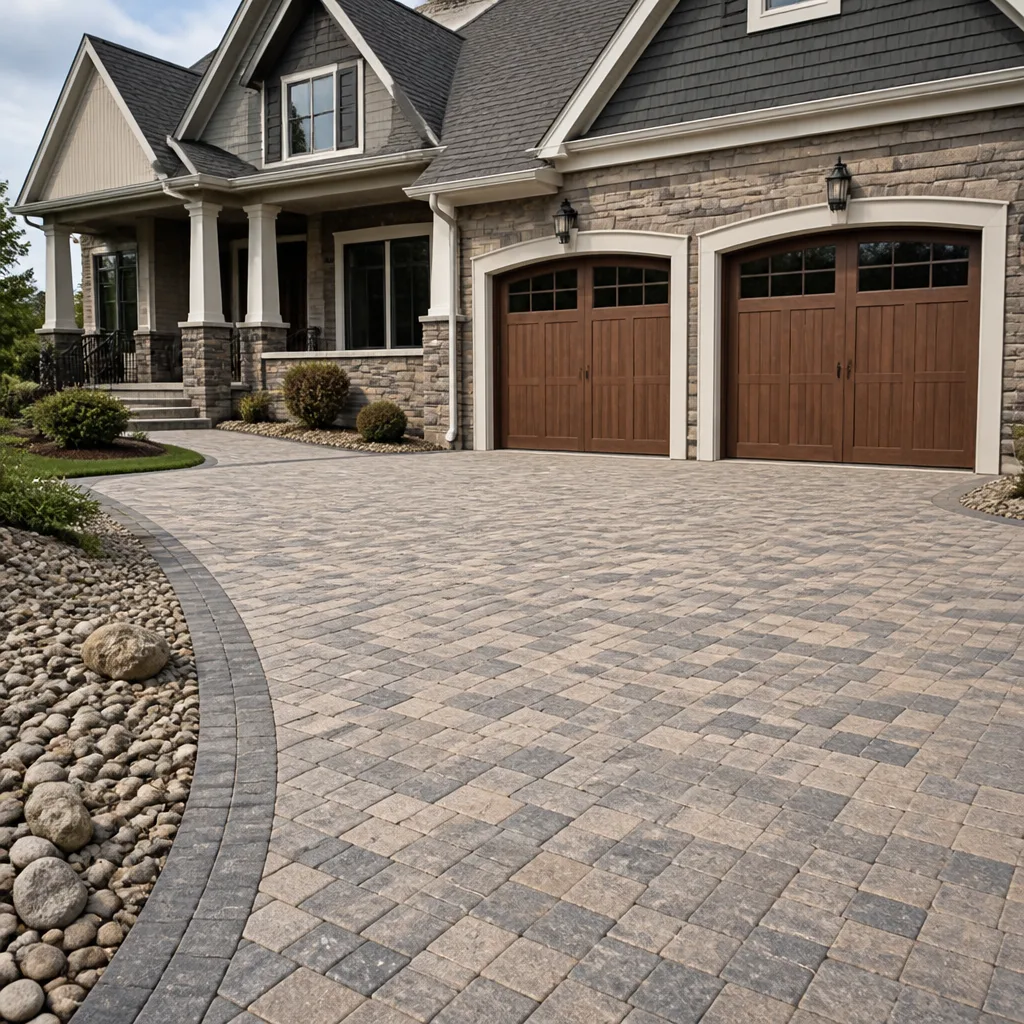 Driveway & pavers
 Fence
Free written scope consultation - allowances, timeline, and change-order rules on paper before a single trade is scheduled
Construction Permits, Codes & Inspections in CA: What You Need to Know
California homeowners lose an average of 6 to 12 weeks per project to permit re-submissions. Not because their plans were wrong, but because they submitted to the right state standard and the wrong local form. This guide walks through what the California Building Standards Code actually requires, where city-level processes override it, and how the timeline between submission, inspection, and final sign-off really works in Daly City. For more guides & resources on navigating local construction, see our blog. If you are planning a kitchen remodel, a re-roof, or an ADU, the information here will save you real time and real money.
Styles & brands we work with
Quick Answer
California construction permits are governed by the state’s Building Standards Code (Title 24), but the actual process of applying, paying for, and passing inspections is controlled by your local city or county building department. Most structural, electrical, plumbing, and mechanical work requires a permit, and the inspection process follows a set sequence: plan review, rough inspection, framing or insulation inspection, and final. In Daly City, the Building Division enforces the same Title 24 baseline as the rest of San Mateo County but adds specific local amendments for energy compliance and stormwater runoff that can change your submission package.
Table of Contents
- Where State Code Ends and Local Process Begins
- Permit-Exempt vs. Permit-Required: The Thresholds That Matter
- Title 24 Energy Compliance and Daly City’s Local Amendments
- The Inspection Sequence: Rough, Framing, Insulation, Final
- ADU Permit Pathways in California After the 2020 Law Changes
- How a Licensed General Contractor Speeds Up Permitting
- Common Mistakes to Avoid
- When to Call a Professional
- Frequently Asked Questions
- The Bottom Line
Where State Code Ends and Local Process Begins
California’s building code is a single document: the California Building Standards Code, published every three years as Title 24 of the California Code of Regulations. Every city and county in the state enforces this same baseline. What changes from one municipality to the next is how that code gets interpreted, which local amendments get layered on top, and what the submission packet needs to look like before a plans examiner will even open the file.
That gap is where projects stall. A homeowner in Daly City can download the same Title 24 energy compliance forms as someone in Fresno, fill them out correctly, and still get rejected because the City of Daly City’s Building Division requires an additional stormwater checklist or a specific structural calculation sheet that Fresno does not. We see this constantly. The code is not the obstacle; the local process is.
In our experience as a Daly City Construction home contractor, the difference between a permit that clears in three weeks and one that bounces back twice is almost never the drawings themselves. It is the cover sheet, the energy documentation format, the school district fee receipt, or some other municipality-specific item that no state publication will tell you about. If you work in Daly City, South San Francisco, Pacifica, or anywhere else in San Mateo County, the local amendments differ just enough to matter.
Understanding this split changes how you approach the permit process entirely. You stop asking “what does California require?” and start asking “what does my city require on top of what California requires?” That is the pragmatic question, and it is the one this guide answers.
Permit-Exempt vs. Permit-Required: The Thresholds That Matter
California building code lists specific project categories that do not require a permit. The thresholds are exact, and being on the wrong side of one can mean the difference between a clean project and a code enforcement action against your property. Here is the breakdown.
Work That Is Permit-Exempt in California
- Cosmetic updates: Painting, wallpapering, carpeting, and similar finish work that does not alter the building envelope or any building system.
- Cabinet refacing or replacement: Swapping cabinet doors and drawer fronts without moving plumbing, gas lines, or electrical outlets does not require a permit. Moving the sink or relocating the dishwasher does.
- Countertop replacement: New countertops alone are exempt, but if the new material changes the plumbing rough-in height or requires new sink cutouts in a different location, the plumbing portion may trigger a permit.
- Minor electrical work: Replacing a light fixture, outlet, or switch with a like-for-like unit is exempt. Adding a new circuit, panel work, or running new wire is not.
- Fence repair under 7 feet: Replacing individual fence boards or posts on an existing fence under 7 feet tall generally does not require a permit, depending on local ordinance. Full fence replacement at the same height may be exempt in some cities, while Daly City requires a permit for new fencing in front yards or along property lines.
- One-story detached accessory structures under 120 square feet: A shed or playhouse with no plumbing, electrical, or mechanical connections, under 120 square feet, does not require a building permit in most California jurisdictions, including Daly City.
Work That Requires a Permit in California
- Any structural change: Removing or altering a load-bearing wall, cutting new window or door openings in exterior walls, or changing roof framing.
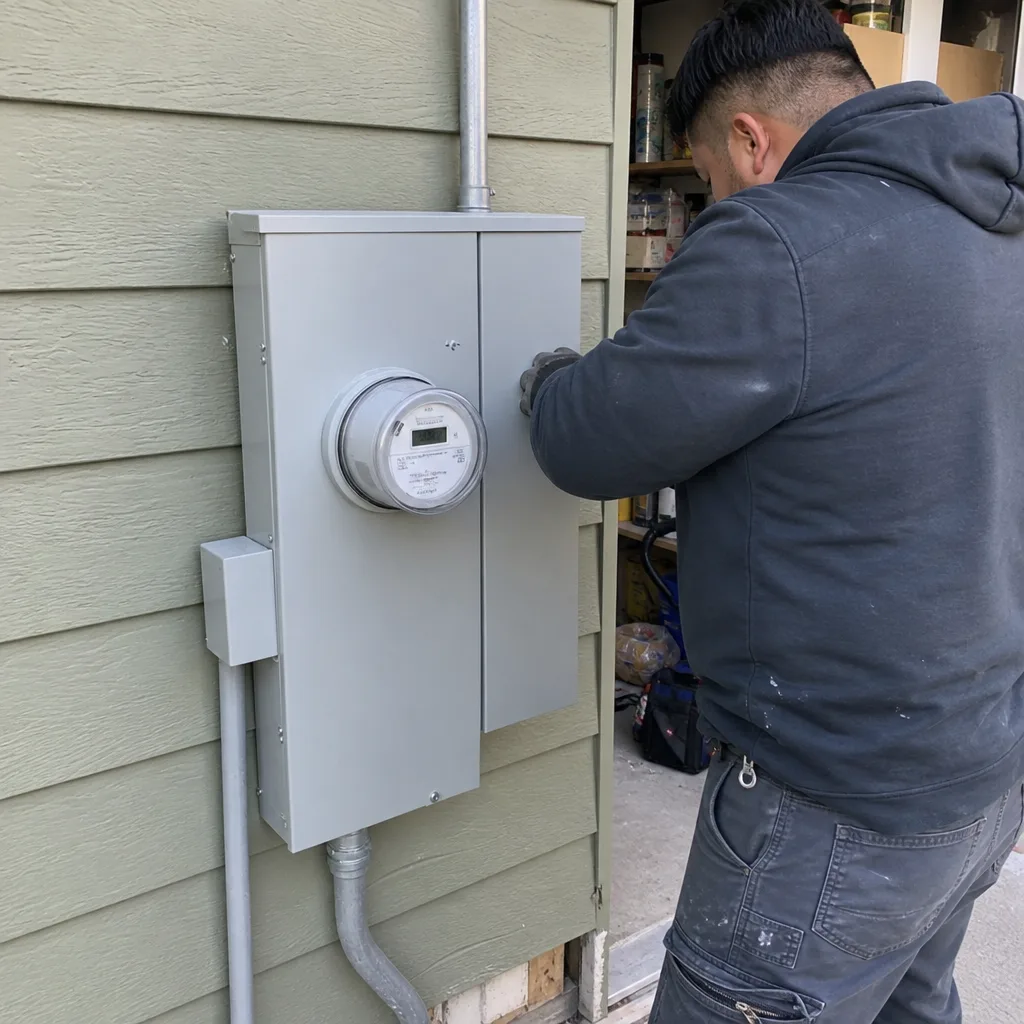
- New electrical circuits or panel upgrades: Any work that touches the service panel, adds a circuit, or runs new wiring. A panel replacement in Daly City requires a permit and an electrical rough inspection.
- Re-roofing: In California, applying a second layer of roofing over an existing layer typically requires a permit and may be restricted to a single overlay. Daly City enforces this strictly, including roof tear-off and replacement permits that require a final inspection before the building department signs off.
- Window and door replacement when the opening changes: Replacing a window with the exact same rough opening size is generally exempt. Enlarging the opening or adding a new window requires a permit.
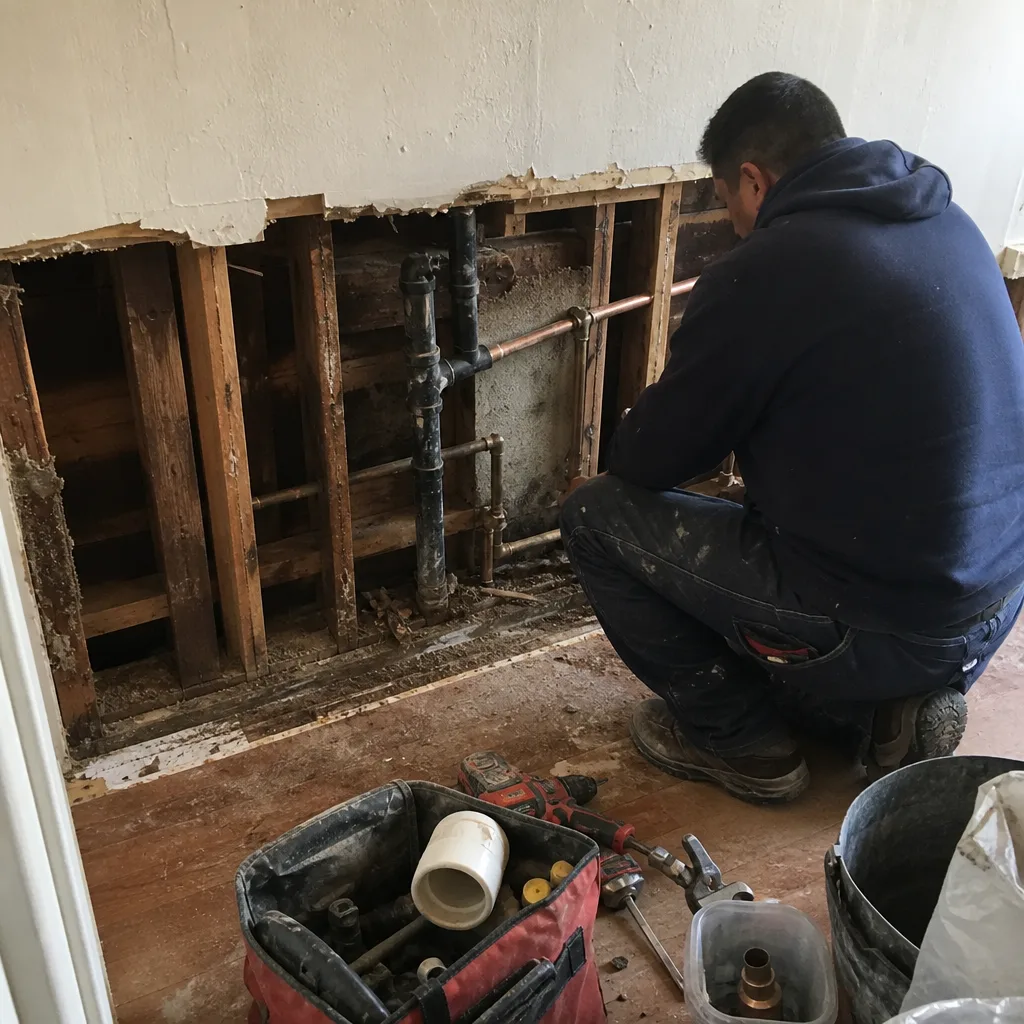
- Bathroom and kitchen remodels that touch plumbing or electrical: Moving a toilet, relocating a sink, adding a vent fan, or changing any rough-in location converts a cosmetic project into a permitted project.
- ADUs and room additions: Any new living space, attached or detached, requires a full permit package including architectural drawings, structural calculations, and Title 24 energy documentation. No exceptions.
- Hardscaping over 200 square feet with drainage impact: Large paver patios, retaining walls over 4 feet (including the buried portion), and any hardscape that alters stormwater drainage typically require a permit and often a grading plan.
If you are unsure which side your project falls on, the cost of a wrong guess is steep. Unpermitted work can block a refinance, trigger a disclosure obligation when you sell, and in some Daly City neighborhoods with active code enforcement sweeps, result in a stop-work order. The safe move is to call the Building Division and ask, or have a contractor make the call on your behalf.
Title 24 Energy Compliance and Daly City’s Local Amendments
Title 24 Part 6, the California Energy Code, sets statewide minimums for insulation, window efficiency, HVAC sizing, lighting, and water heating. Every jurisdiction in California enforces the same Title 24 baseline. What Daly City adds on top is where the process gets locally specific.
Daly City sits in California climate zone 3, a marine-influenced microclimate with fog, moderate temperatures, and a very narrow seasonal swing. That means Title 24 requirements here are less demanding for cooling than in Sacramento or Fresno, but more demanding for moisture control and insulation placement. The city also enforces San Mateo County’s stormwater pollution prevention requirements on projects that disturb more than 500 square feet of ground, which includes many hardscape and ADU projects.
For a window replacement, state code requires a maximum U-factor and a maximum Solar Heat Gain Coefficient depending on the climate zone. Daly City’s Building Division may require documentation showing the replacement window meets the more stringent of either the state minimum or the local reach code minimum. If your installation uses Milgard, Andersen, or another major window brand, the manufacturer provides NFRC ratings that satisfy the documentation requirement. If you install a no-name import window without NFRC labels, the permit gets held up.
For insulation, the state energy code prescribes minimum R-values for walls, ceilings, and floors. Daly City inspections verify the actual installed R-value, not just the specification sheet. A common re-submission trigger here is the insulation certificate card not matching the field installation. The inspector checks the attic, and if the presence of a vapor barrier or the installed batt depth does not match the permitted plan, the insulation inspection fails and you re-file.
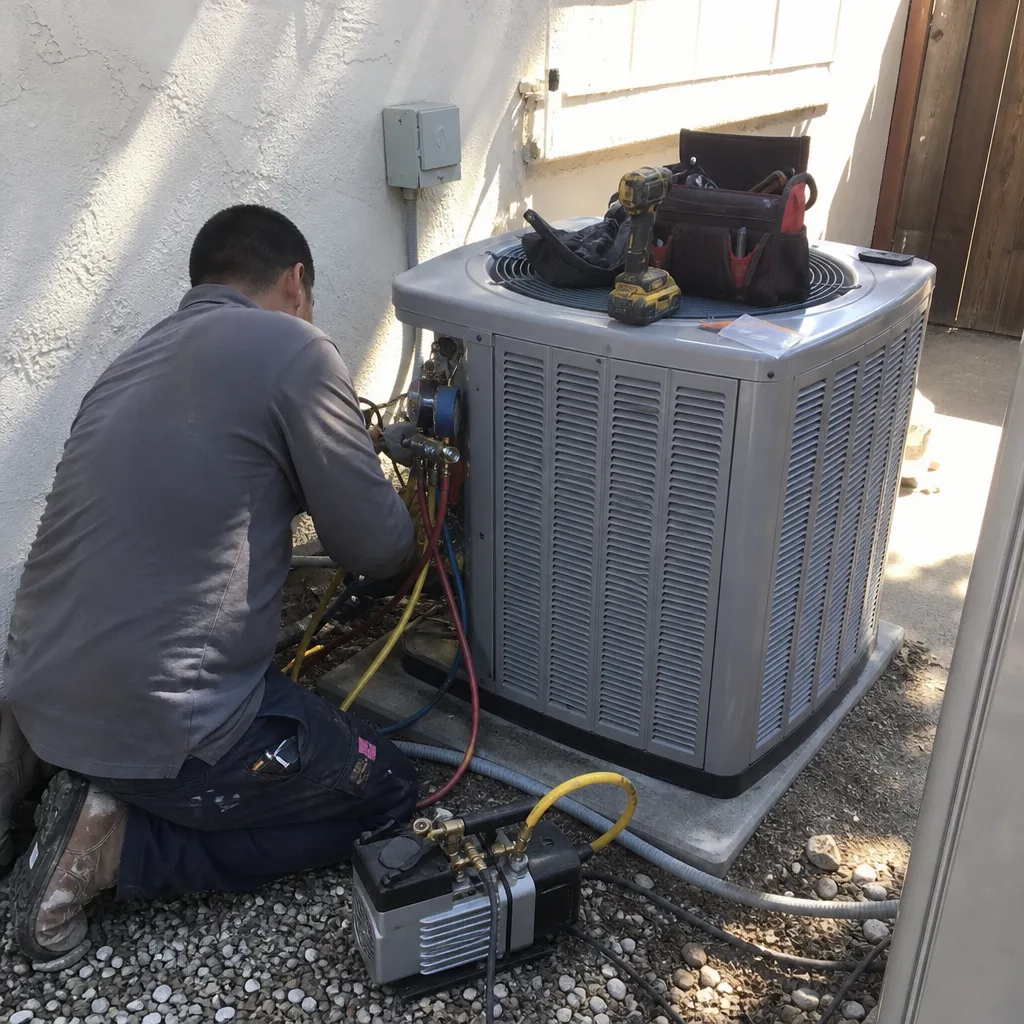
HVAC replacement follows a similar pattern. State code requires proper sizing per ACCA Manual J calculations. Daly City will ask for the load calculation to be submitted with the permit. If the contractor guesses at the tonnage instead of running the calculation, the plan review kicks it back. This applies to every furnace, heat pump, or air conditioning replacement in the city.
The Inspection Sequence: Rough, Framing, Insulation, Final
Inspection sequencing in California is predictable. What surprises people is how many inspections a single project requires and what happens when one gets skipped. Here is the standard sequence for a typical residential remodel in Daly City, using a kitchen remodel with structural changes as the example.
- Plan review and permit issuance: The Building Division reviews the submitted plans, checks Title 24 compliance, collects fees, and issues the permit card. This step can take two to six weeks in Daly City depending on project scope and current department volume.
- Underground or foundation inspection (if applicable): For room additions, ADUs, or any project involving new footings, the first field inspection happens before concrete is poured. In Daly City, foundation inspections often happen on the same day as a soil engineer visit.
- Rough inspection: After demolition but before insulation and drywall, the rough inspection covers framing, plumbing, electrical, and mechanical work. This is the big one. One fail on a rough can add a week or more to the project because the re-inspection gets scheduled at the back of the queue.
- Insulation inspection: After rough passes and insulation is installed but before drywall goes up, the inspector verifies the R-value, the installation quality, and the vapor barrier placement.
- Drywall or lath inspection (some jurisdictions): Daly City does not require a separate drywall inspection for most residential remodels, but some surrounding cities do. This is another example of local process differences.
- Final inspection: Once the project is complete, the inspector verifies that everything matches the approved plans, tests the electrical and plumbing fixtures, and signs off. The final inspection triggers the certificate of occupancy for livable space additions and ADUs.
The big miss is skipping the insulation inspection. Without it, the final inspection will not be scheduled, and the certificate of occupancy cannot be issued. For an ADU, that means no legal rental, no utility sign-off, and no insurance coverage on the structure—risks covered in our Construction Warning Signs: A Daly City Homeowner’s Reference Guide. For a kitchen, it means no final sign-off, which matters when you refinance or sell. If you miss one, you do not get to skip ahead; you re-file for the missed phase and pay a re-inspection fee.
ADU Permit Pathways in California After the 2020 Law Changes
The California ADU law changes that took effect in 2020 transformed the accessory dwelling unit permit process. State law now mandates that any city, including Daly City, must approve ADU permits within 60 days of a complete application, that owner-occupancy requirements are suspended through 2030, and that local ordinances cannot impose parking requirements or minimum lot size restrictions that effectively block ADU construction.
What this means in practice for Daly City homeowners is that a conforming ADU application cannot be indefinitely stalled. The city must respond with either an approval or a written list of what is missing within 60 days. If a city does not act, the permit is deemed approved by default. This is a real change that has meaning in a city where traditional permit timelines for other project types run longer.
What the local ordinance does still control is the design review process. Daly City’s zoning code regulates ADU height, setback, and lot coverage. An attached ADU (converting a garage or adding a second-story living unit to the main house) follows one path. A detached ADU (a standalone structure in the rear yard) follows another. The permit package for a detached ADU in Daly City includes architectural drawings, structural engineering, Title 24 energy documentation, a site plan showing the property line clearances, and the school district fee receipt.
Daly City’s specific ADU rules also limit where a detached unit can sit relative to the main house and property lines. If your rear yard has less than the required setback clearance, that does not automatically block the project; the state law allows cities to charge a fee for a setback exception rather than refuse the permit outright. This is the kind of local nuance that does not appear in any state guidance document.
We have seen Daly City homeowners bring us plans from prefab ADU manufacturers like Abodu, Dvele, Mighty Buildings, Boxabl, and Plant Prefab, and the submission package reality is the same for all of them: the manufacturer provides the structural and assembly documentation, but the site work, foundation detail, utility connections, and the actual permit filing are the homeowner’s responsibility or the general contractor’s. This is precisely where a General Contractor in Daly City with ADU experience earns their fee. The manufacturer cannot file for a Daly City permit; the contractor can.
How a Licensed General Contractor Speeds Up Permitting
A homeowner can file a permit for any residential project without a contractor. That is a legal fact. It is also the slowest path through a municipal process that is designed around people who file daily. Here is what changes when a licensed general contractor handles the permitting.
First, the submission package is complete on day one. Most re-submission delays are due to missing documentation, not incorrect drawings. A general contractor who files Daly City permits weekly knows which forms the Building Division expects, which energy compliance reports are accepted, and which cover sheet format passes plan review the first time, all part of the General Contractor Maintenance Checklist for Daly City Homeowners.
Second, the corrections that do come back get turned around faster. A plan examiner’s comments often reference a specific code section. A licensed contractor reads that comment, adjusts the specific detail, and refiles within days. A homeowner spends a week trying to parse what CRC R302.4 means, then submits the wrong correction, and the cycle repeats.
Third, the inspection scheduling process is more forgiving for a contractor. In Daly City and most San Mateo County jurisdictions, inspectors prioritize sites where they know the work will be ready. If a homeowner calls for an inspection and the work is not where it needs to be, that inspector’s time gets wasted, and the next scheduling window is less favorable. A contractor’s reputation with the department is a soft asset that affects scheduling in ways that never show up in a code book.
Fourth, the material documentation trail is cleaner. A Home Remodeling in Daly City project that involves a Kohler or Toto plumbing fixture package requires the inspector to verify the sink, faucet, and drain components meet code. The contractor has the spec sheets. The homeowner who bought the fixtures online may not. These small documentation gaps are where weeks vanish.
Common Mistakes to Avoid
- Skipping the permit because the neighbor skipped it: Your neighbor’s unpermitted deck from 15 years ago does not protect your project from a Daly City stop-work order today. Code enforcement has gotten more active, not less.
- Replacing windows with a different size and calling it a repair: Homeowners assume window replacement is exempt. It is only exempt if the rough opening is unchanged the moment the frame size changes, it is new construction, not repair, and a permit is required.
- Submitting Title 24 compliance without Daly City’s local forms attached: The state energy compliance report is necessary but not sufficient. Daly City wants the local stormwater checklist, which state publications never mention.
- Not pulling the permit before starting demo: If the Building Division discovers unpermitted work underway, the penalty can double the permit fee and add a delay that did not need to exist.
- Pouring concrete before the foundation inspection: This happens on ADUs and room additions. The inspector needs to see the rebar and the footing depth before the pour. Once concrete is in, you are digging out sections or waiting on a special inspection.
- Buying fixtures before the rough inspection: If you buy a Toto toilet, a Grohe faucet, or any fixture before the rough plumbing is approved, and the rough rough-in location changes during inspection, you are stuck with fixtures you cannot use for the revised layout.
- Assuming the manufacturer files for prefab ADUs: Abodu, Dvele, and similar companies provide the structure. They do not file your Daly City permit, pull your electrical service, or schedule your foundation inspection. That is the general contractor’s job, or yours.
When to Call a Professional
If your project involves any structural alteration, new plumbing or electrical rough-in, an ADU, a room addition, or a re-roof, you need a licensed contractor on the permit. That is not a matter of convenience; it is a matter of the permit package being complete enough to clear plan review without weeks of back-and-forth. If you have received a plan review correction letter you cannot parse, or if you missed an inspection and the project is stalled, a professional can get the file moving again. For homeowners in Daly City considering a kitchen remodel, a full-scale Home Renovation in Daly City, or an ADU build, Daly City Construction offers free estimates and handles the full permit and inspection process as part of the project scope. Call (866) 505-5254 to schedule your free estimate.
Frequently Asked Questions
Daly City permit fees are calculated as a percentage of the project’s declared valuation, with separate line items for plan review, building, electrical, plumbing, and mechanical permits. A minor remodel might run a few hundred dollars in fees, while a full ADU or room addition can run several thousand. The exact fee schedule is published by the Daly City Building Division, and your contractor can calculate the full permit cost before you commit. Call (866) 505-5254 for a free estimate that includes the permit fee breakdown.
Plan review for a simple remodel typically takes two to six weeks in Daly City depending on current volume and whether the submission is complete on the first pass. ADU permits are subject to a state-mandated 60-day response window, but a complete application filed by an experienced contractor often clears faster than the statutory maximum. Re-submissions are what extend timelines; a complete package avoids them.
Yes, homeowners in California can legally pull permits for their own residence as an owner-builder. The liability and the process responsibility are yours entirely, including the obligation to carry workers’ compensation insurance if you hire any subcontractors. Most Daly City homeowners who start as owner-builders on complex remodels end up hiring a licensed contractor to finish, which is more expensive than hiring one from the start.
Unpermitted work in Daly City can result in a stop-work order, a penalty fee that doubles the original permit cost, and a disclosure requirement when you sell the property. If the work involved structural or electrical changes, the Building Division may require invasive inspection, which means opening up finished walls to expose the work for review.
Daly City requires a permit for new fencing in front yards and along visible street-facing property lines. Rear-yard fence replacement at the same height and location is generally exempt unless the fence exceeds 7 feet or includes masonry. A Cambridge Pavers or Oldcastle paver retaining wall that holds back soil over 4 feet requires engineering and a separate wall permit.
Yes, if your kitchen remodel includes new windows, new insulation, or changes to the HVAC system, Title 24 documentation is required with the permit application. A simple cabinet and countertop replacement with no structural, plumbing, or electrical changes is exempt. If you are changing the lighting layout, even that triggers an energy compliance review under California’s lighting requirements.
The Bottom Line
California’s building code is the same in every city, but the permit process is local. What delays Daly City projects is almost never the drawings or the engineering; it is the local forms, the stormwater paperwork, the specific documentation the Building Division expects but no state publication lists. Understanding where state code ends and local process begins is the single most useful thing a homeowner can know before starting any project. If you are planning a remodel, a re-roof, or an ADU in Daly City, work with a contractor who files locally every week. The time saved at the permit counter is time you cannot get back any other way.
Written by the team at Daly City Construction, serving Daly City since 2013.
See the difference
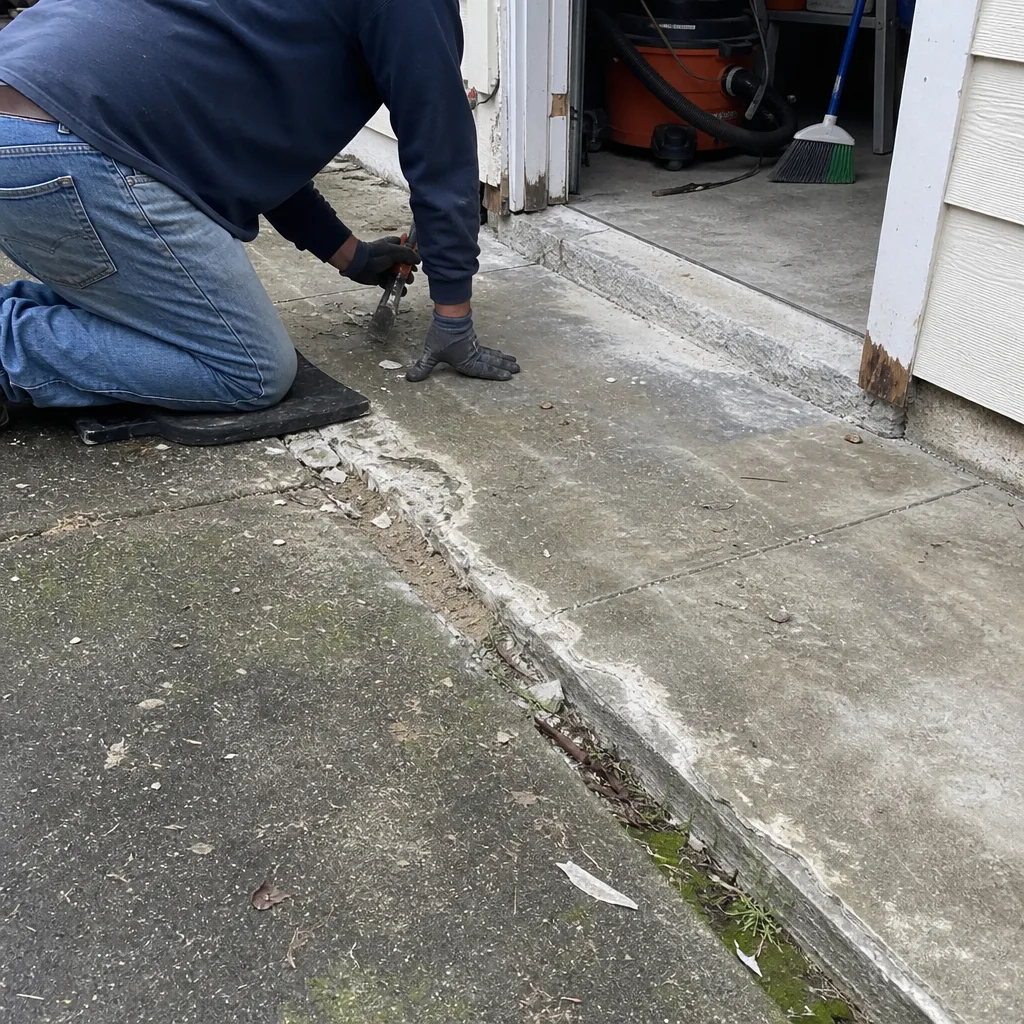 Before
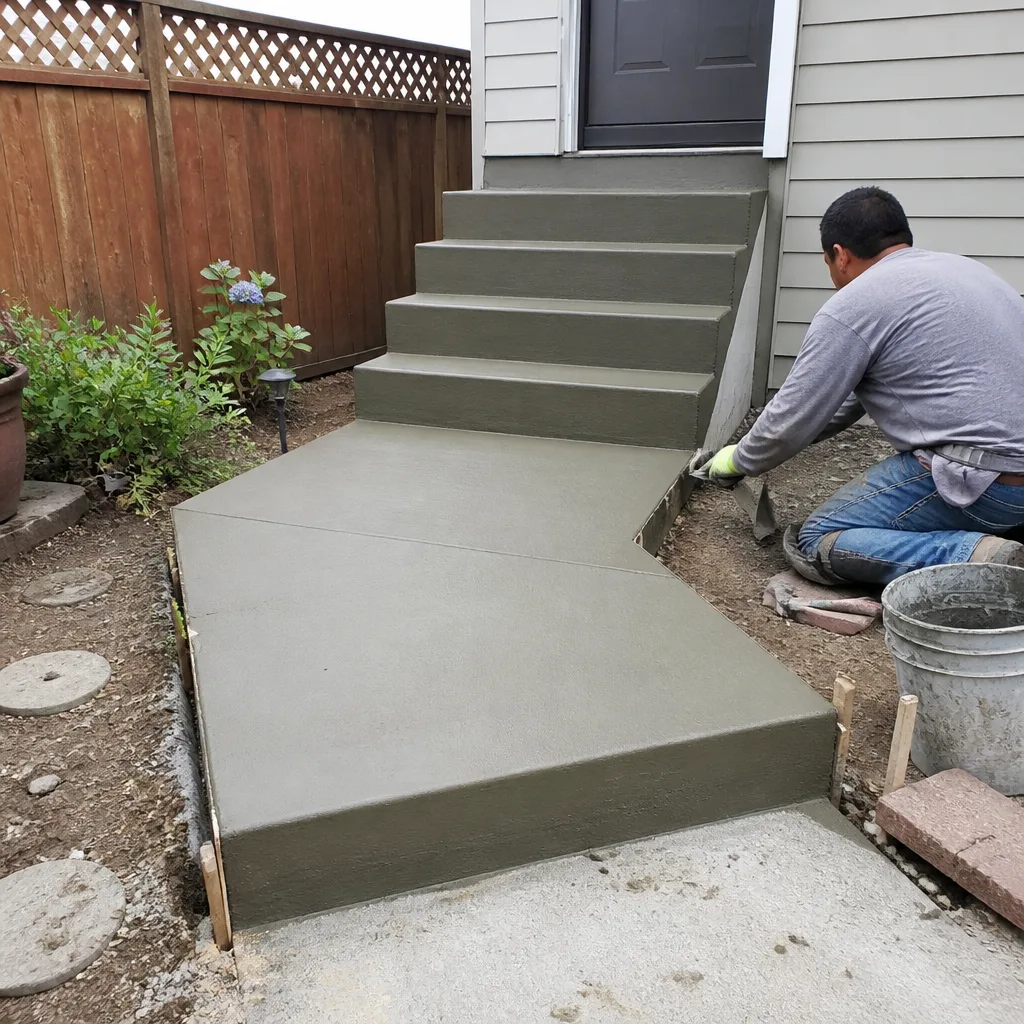 After
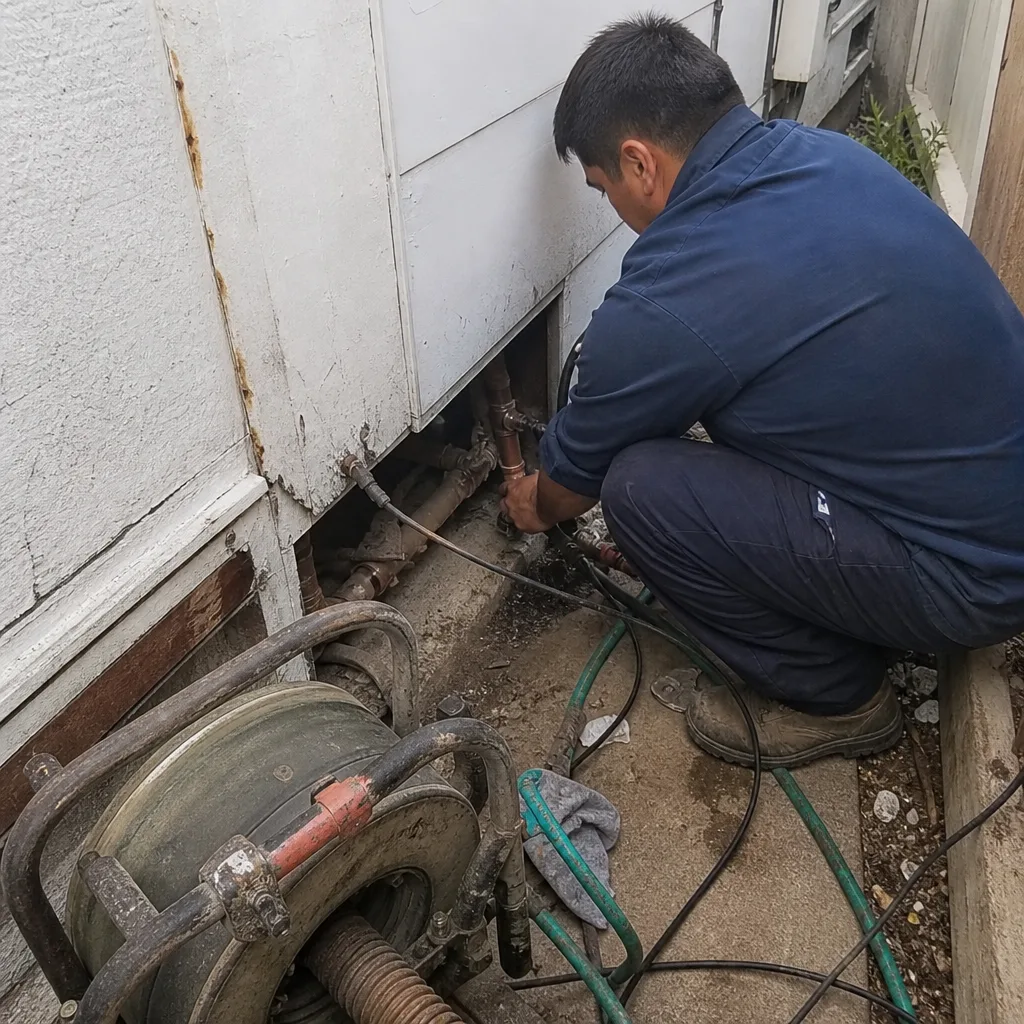 Before
 After
 Before
 After