

Last updated October 31, 2026
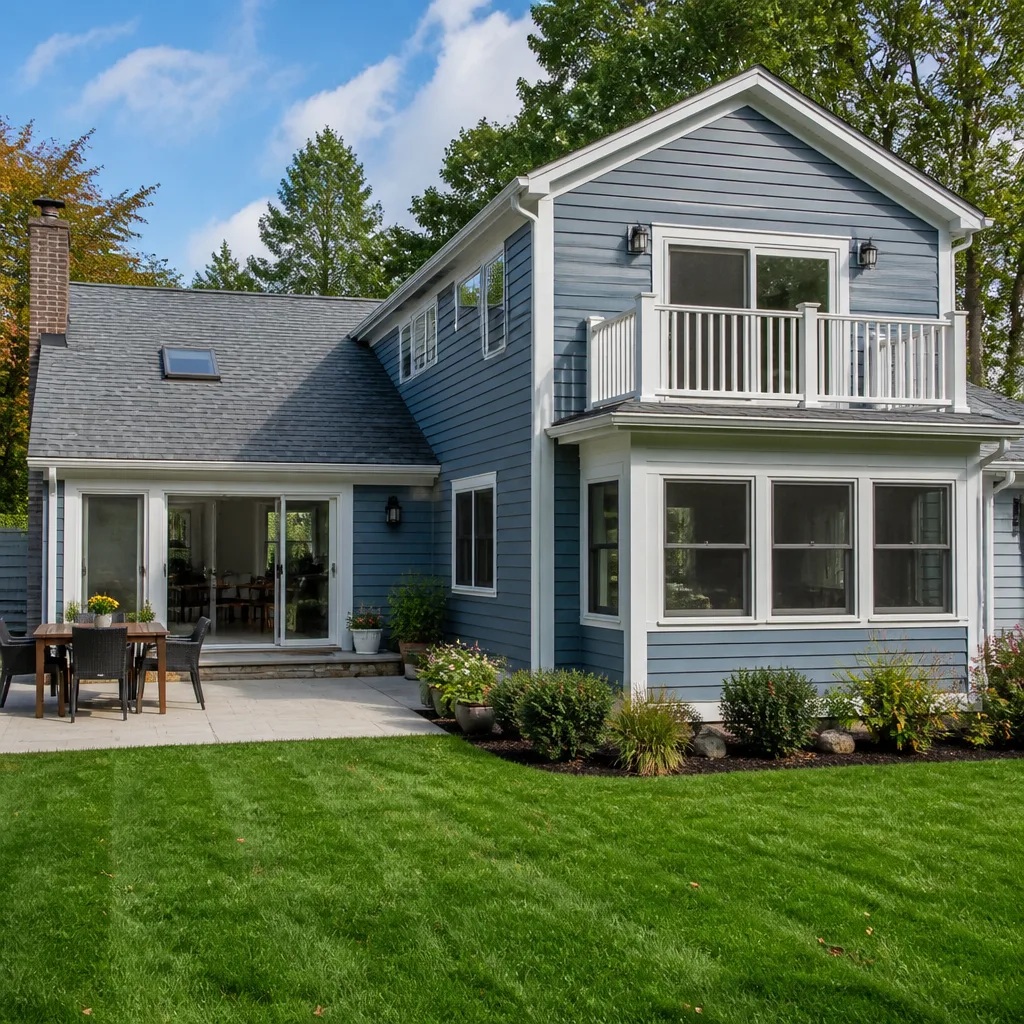 Home additions & ADU
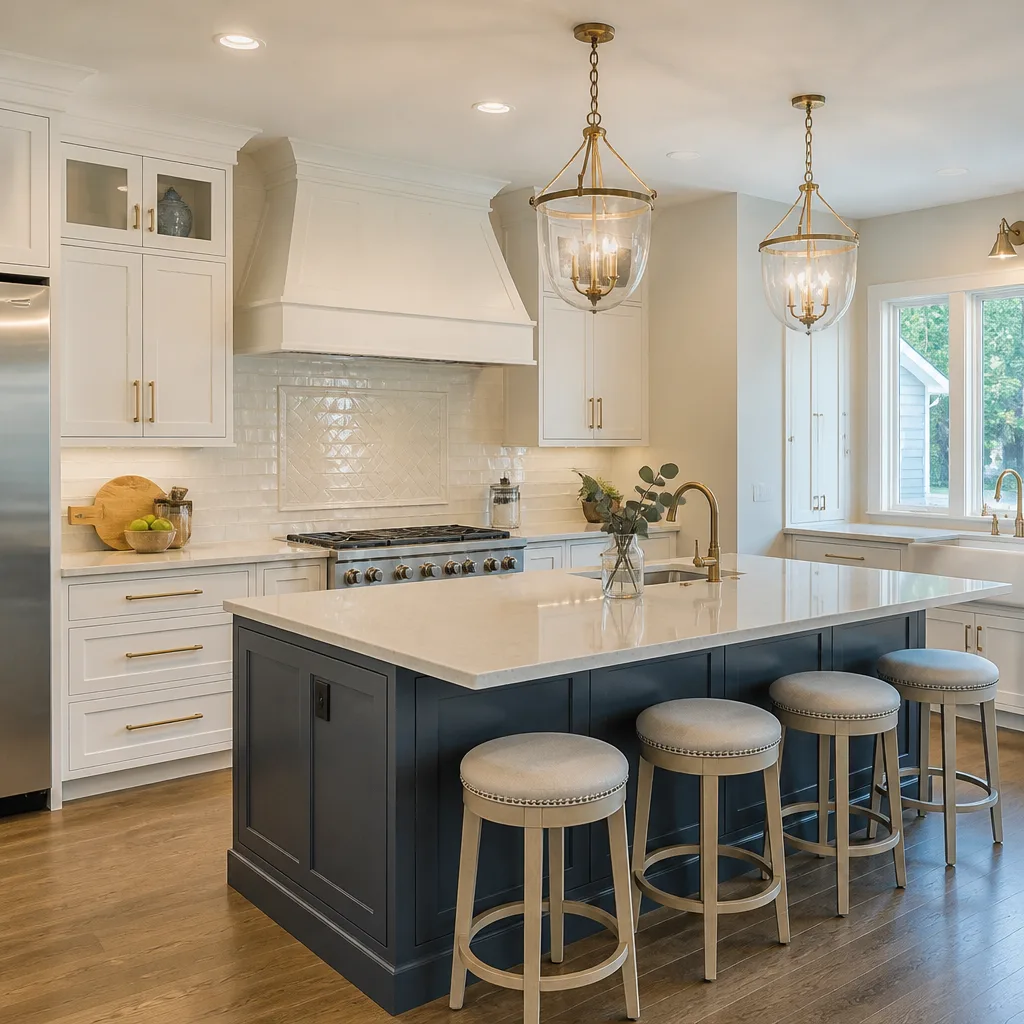 Kitchen remodeling
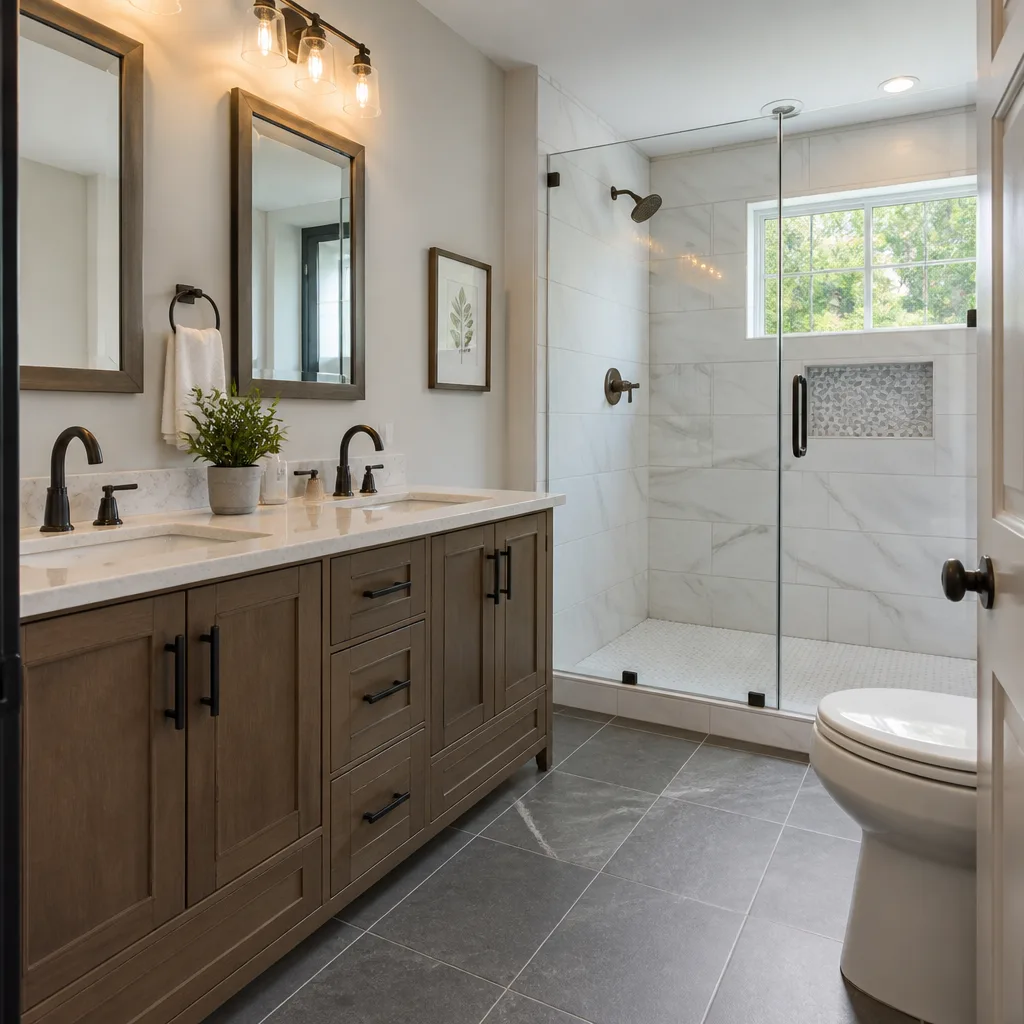 Bathroom remodeling
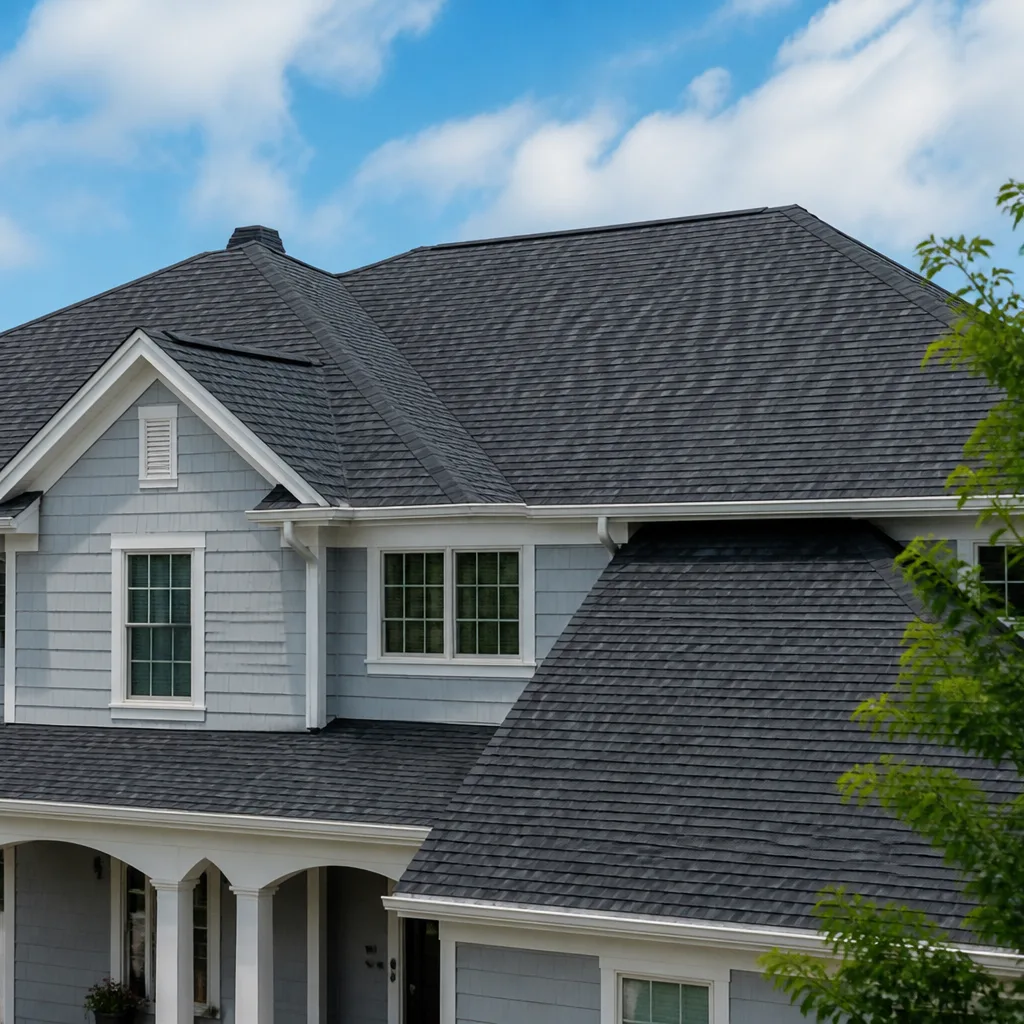 Roofing
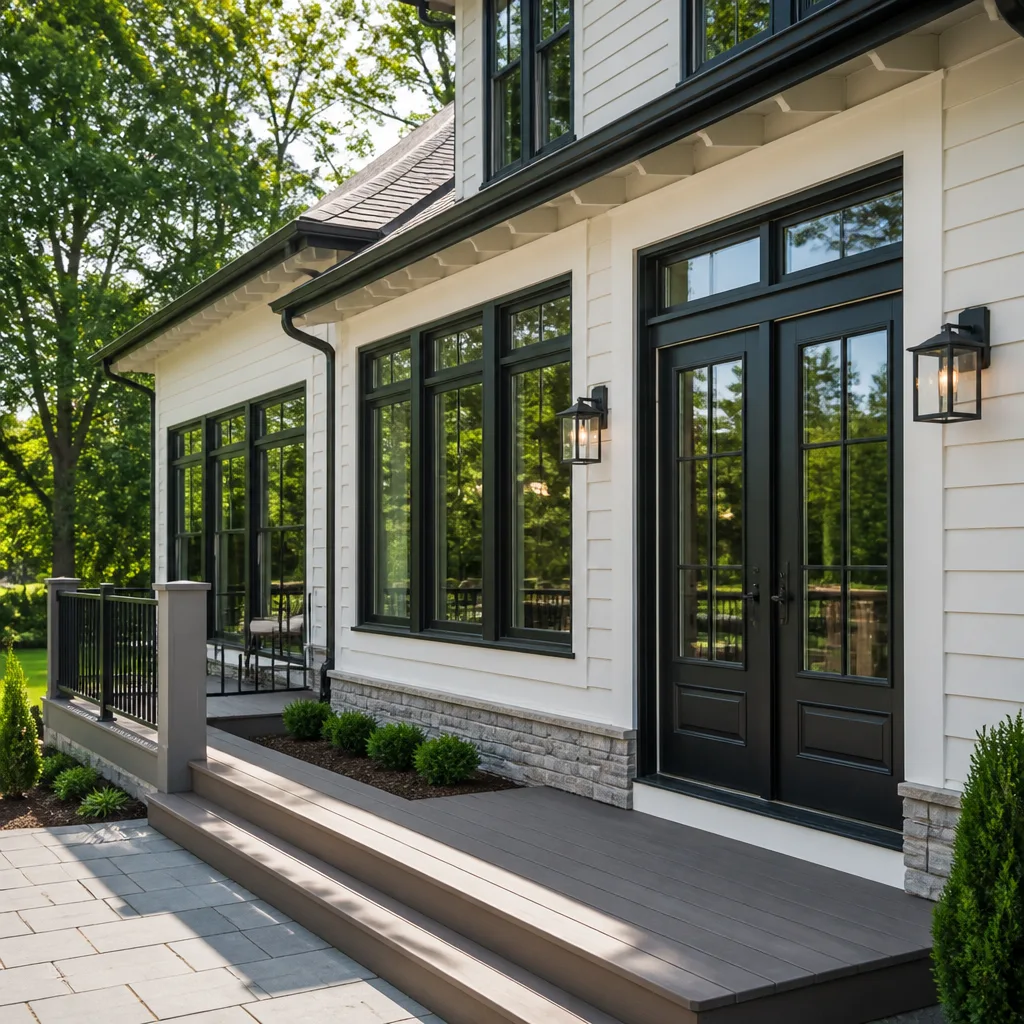 Windows & doors
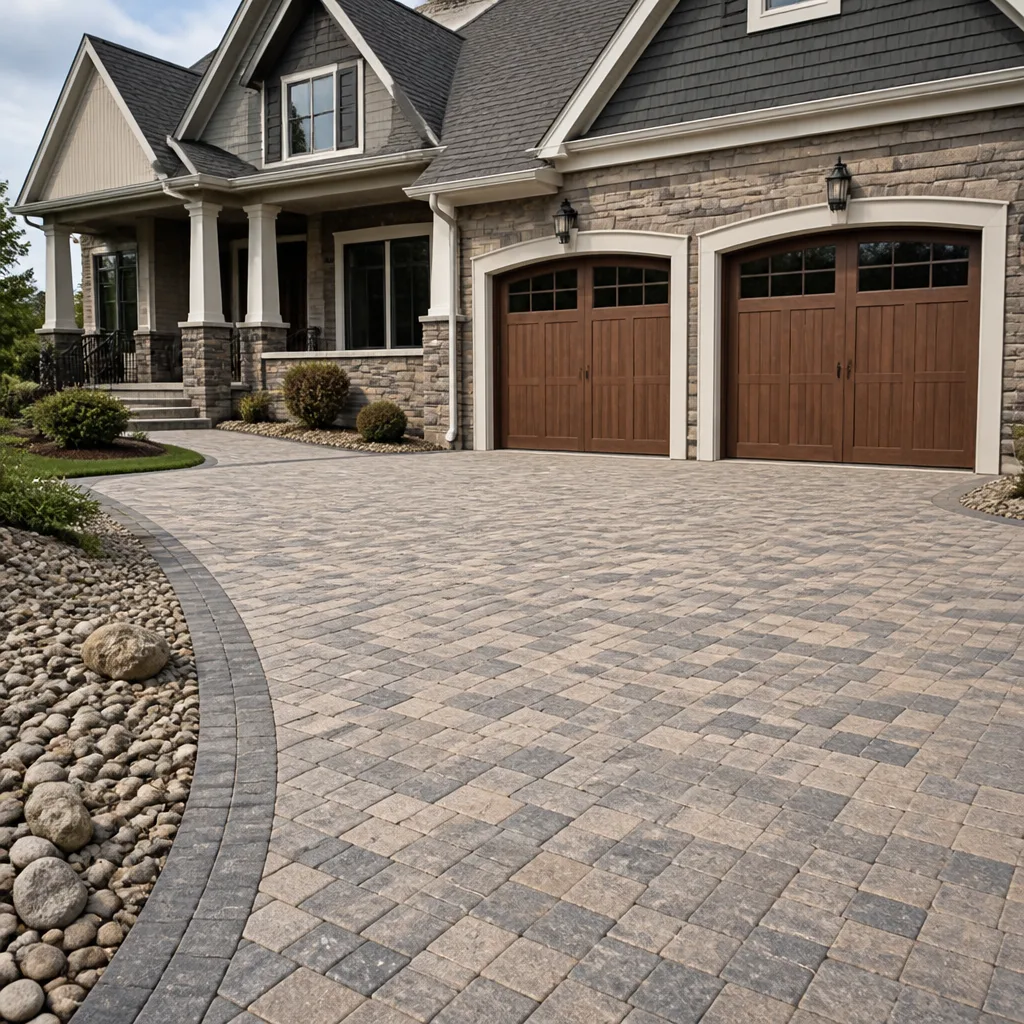 Driveway & pavers
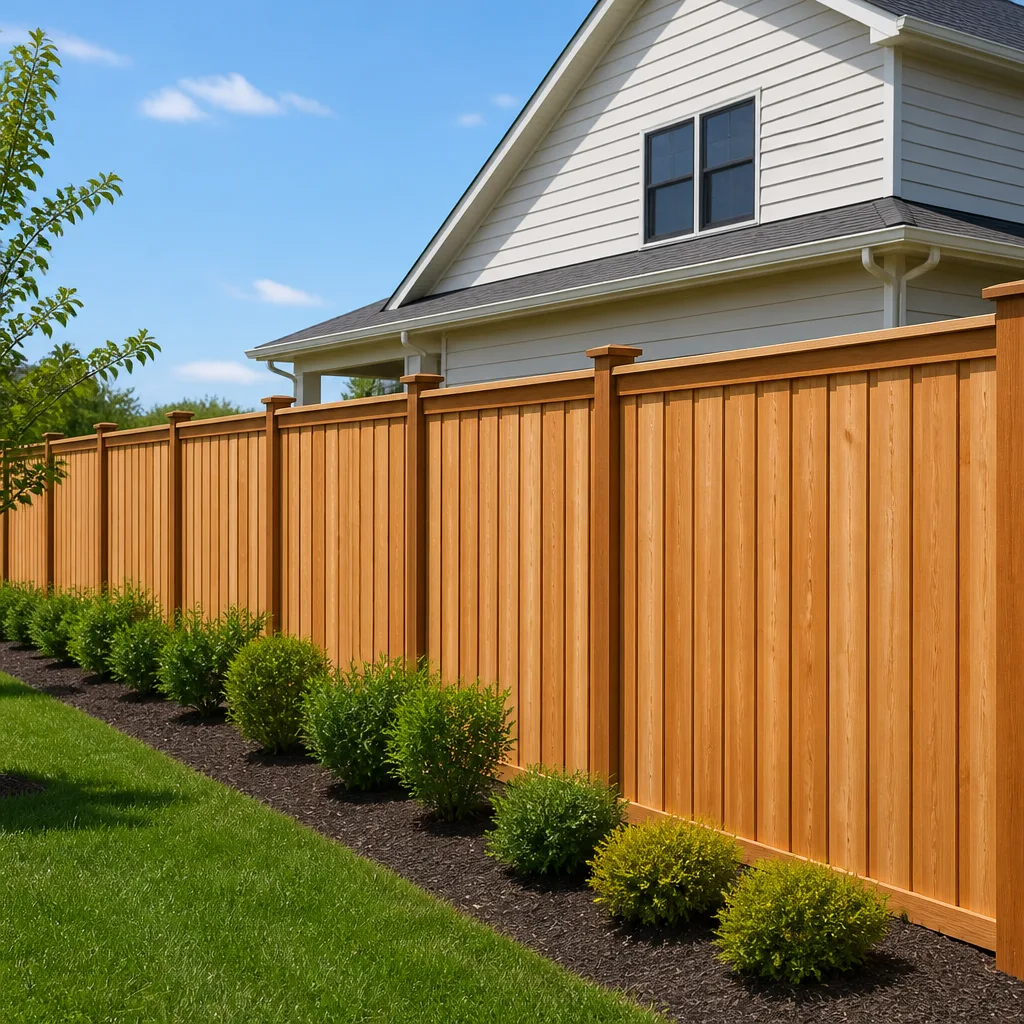 Fence
Free written scope consultation - allowances, timeline, and change-order rules on paper before a single trade is scheduled
Construction Cost Breakdown: The Daly City Homeowner’s Reference for 2026
When a Daly City homeowner gets a $45,000 kitchen remodel bid and compares it to a national average of $28,000, the instinct is to shop for a cheaper contractor. The gap is almost never contractor margin. It’s Bay Area labor rates, San Mateo County permit fees, and a material supply chain squeezed by geography. This guide breaks down what construction actually costs in Daly City in 2026, line item by line item, so you can price your project with real numbers instead of national-averages guesswork. By the end, you’ll understand where every dollar goes on a kitchen, bathroom, roof, window, ADU, or hardscape project in this specific market.
Styles & brands we work with
Quick Answer
Construction costs in Daly City run 15 – 25% above national averages due to Bay Area union and prevailing-wage labor pressure, San Mateo County permit and plan-check fees, and material logistics from a limited pool of regional suppliers. In 2026, homeowners should expect roughly $350 – $650 per square foot for kitchen remodels, $250 – $450 per square foot for bathrooms, $8 – $12 per square foot for architectural shingle roofing, and $350 – $550 per square foot for ADU construction, all dependent on material grade and existing home conditions.
Table of Contents
- Why Bay Area Labor Rates Drive Everything
- San Mateo County Permit Fees: The Hidden Headline
- Roofing Costs Per Square in Daly City: 2026 Ranges
- Window Replacement Costs Per Unit: What Daly City Homes Really Need
- Kitchen Remodel Costs: The Line-Item Breakdown
- Bathroom Remodel Costs: What Changes the Final Number
- ADU and Prefab Construction Costs: The 2026 Reality
- Hardscape Costs Per Square Foot: Fencing, Pavers, and Retaining Walls
- Builder-Grade vs. Mid-Grade Materials: When Upgrades Pay Back
- How Single-Contractor Project Management Changes the Cost Equation
- What Drives Cost Overruns on Daly City Projects Specifically
- Common Mistakes to Avoid
- When to Call a Professional
- Frequently Asked Questions
- The Bottom Line
Why Bay Area Labor Rates Drive Everything
Labor is the single largest line item on any Daly City construction project, and it’s not close. Skilled carpenters, electricians, plumbers, and tile setters in San Mateo County command $85 – $150 per hour in 2026, depending on licensing tier and trade specialization. That’s 40 – 70% above what the same trade charges in Sacramento or Fresno. The reason is structural: the Bay Area’s cost of living forces tradespeople to charge more to live within reasonable commute distance, and the region’s union presence in commercial work pulls residential rates upward as well.
For a Daly City homeowner, this means labor typically represents 45 – 55% of a remodel budget. On a $60,000 kitchen, expect $27,000 – $33,000 of that to be labor alone. It also means the temptation to hire unlicensed labor is real, and it’s a mistake. Unlicensed work carries no workers’ compensation coverage, no contract enforcement, and no warranty recourse. When a homeowner “saves” $8,000 on unlicensed labor and a worker gets injured on the property, the homeowner’s insurance is the one left covering the claim.
What you’re paying for with licensed labor is not just the hour on site. It’s the years of code knowledge that keep an inspector from red-tagging a rough-in, the experience to catch a structural issue before the drywall goes up, and the insurance and bonding that protect the homeowner if something goes sideways. In Daly City’s 2026 market, a licensed general contractor charging $120 – $150 per hour for skilled trade work is not padding the bill. That’s the going rate.
San Mateo County Permit Fees: The Hidden Headline
Every cost guide online quotes “average remodel costs” that quietly omit permit fees. In Daly City, that omission is significant. See our Construction Permits, Codes & Inspections in CA: What You Need to Know for the full picture. San Mateo County permit fees, plan check fees, and inspection fees add 3 – 8% to a project total, and they’re non-negotiable. A kitchen remodel with structural changes will trigger building permit fees, electrical permit fees, plumbing permit fees, and possibly mechanical permit fees, each with its own plan check line item.
The exact numbers vary by project scope, but here’s what Daly City homeowners should budget for in 2026:
- Kitchen or bath remodel with plumbing and electrical changes: $1,800 – $4,500 in total permit and plan check fees
- Roof replacement: $600 – $1,400, depending on whether structural repairs trigger a plan check
- Window replacement (like-for-like): $300 – $800, with additional fees if opening sizes change
- ADU construction: $5,000 – $15,000, including school impact fees, sewer connection fees, and plan check hours
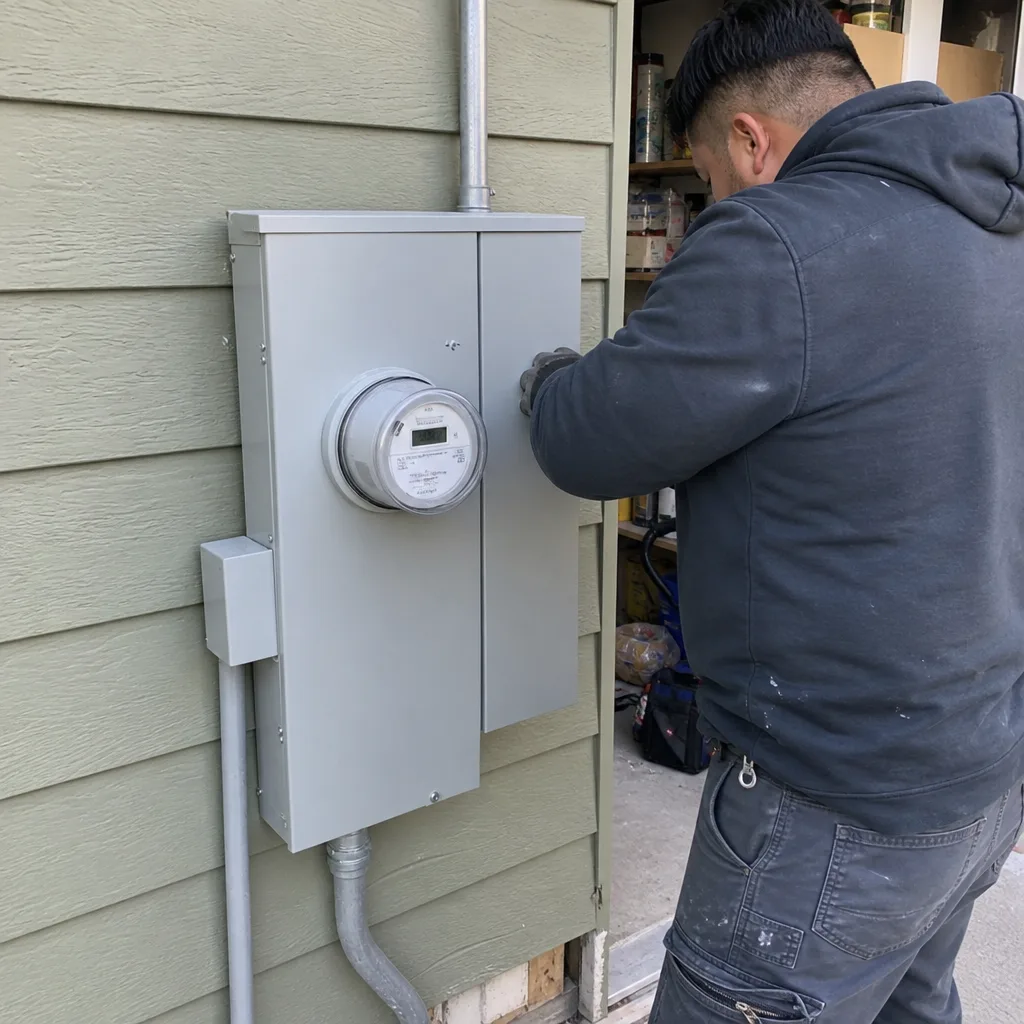
- Electrical service upgrade (100A to 200A): $1,200 – $2,500 in permit and inspection costs alone
Licensed contractors include these fees in their bids. Unlicensed operators don’t, because pulling a permit exposes their lack of a license. If a bid looks 10% lower than every other quote, ask to see the permit fee line item. If there isn’t one, the project is happening without permits, and the liability for that decision lands entirely on the homeowner.
A licensed general contractor in Daly City handles permit applications, plan check responses, and inspection scheduling as part of the project scope. That coordination is real labor, and it’s included in the bid.
Roofing Costs Per Square in Daly City: 2026 Ranges
Roofing costs in Daly City run $8 – $12 per square foot for a tear-off and architectural shingle replacement in 2026, or $800 – $1,200 per roofing square (100 square feet). The range reflects two Daly City-specific realities: roof pitch and deck condition. Older Westlake and St. Francis Heights homes from the 1950s and 1960s commonly have plywood decking that’s failing around fasteners, and that decking replacement adds $2 – $3 per square foot when it’s discovered after tear-off.
Material choice affects the per-square price meaningfully. Here’s the breakdown for a typical 1,600 – 2,000 square foot single-story Daly City home:
- 3-tab asphalt shingles (builder grade): $7 – $9 per square foot installed. These are the cheapest option, but many Daly City homeowners in fog-heavy neighborhoods find them performing poorly by year 18.
- Architectural shingles (mid-grade, such as Owens Corning Duration or CertainTeed Landmark): $9 – $11 per square foot installed. The standard choice for Daly City, with 30 – 50 year warranties and better wind resistance.
- Premium architectural or designer shingles (high-grade, such as IKO Dynasty or Atlas StormMaster): $11 – $14 per square foot installed. These carry the strongest warranty coverage and hold up best against the marine layer’s constant moisture exposure.
In our experience, the mid-grade architectural shingle is the value sweet spot for Daly City homes. The upgrade from 3-tab to architectural is roughly $2 – $3 per square foot, and it pays back in both resale value and deferred replacement. The jump from mid-grade to premium is harder to justify unless the home has a low-slope section or sits in a particularly exposed area.
Window Replacement Costs Per Unit: What Daly City Homes Really Need
Window replacement in Daly City runs $700 – $1,400 per window installed for vinyl-frame double-pane units in 2026, and $1,200 – $2,200 per window for fiberglass or wood-clad units. The spread reflects the home’s era. Daly City’s housing stock splits roughly into two categories: 1950s – 1970s single-family homes with standard window openings, and 1980s – 1990s construction with non-standard sizes that require custom ordering.
Here’s what drives Daly City window pricing beyond the national average:
- Retrofit vs. full-frame install: Retrofit (insert) installation costs less per window, but many Daly City homes have water-damaged original sills that require full-frame replacement. Finding rotted wood at the sill is common in the fog belt, and it adds $250 – $500 per window.
- Egress compliance: Bedroom windows must meet current egress requirements. If the existing opening is too small, enlarging it adds framing, drywall, and stucco work that can push a single window to $3,000+.
- Material tier: Vinyl windows start around $700 installed. Fiberglass (like Milgard Ultra or Marvin Essential) runs $1,400 – $1,900 per unit. Wood-clad runs higher still with more maintenance exposure in Daly City’s damp climate.
The 50+ brand portfolio approach matters here. A contractor who only offers one window brand is pricing the homeowner into that brand’s margin structure. A homeowner who can choose between a value-tier vinyl window and a mid-grade fiberglass window for the same opening is actually making a durability decision, not a price-only decision.
Kitchen Remodel Costs: The Line-Item Breakdown
A full kitchen remodel in Daly City runs $45,000 – $85,000 for a mid-grade scope in 2026, or roughly $350 – $650 per square foot. That range covers cabinet replacement, countertop replacement, flooring, backsplash, lighting, plumbing fixture updates, and appliance installation in a typical 120 – 180 square foot Daly City kitchen. High-grade finishes push the total to $90,000 – $150,000.
Here’s the line-item breakdown for a mid-grade $60,000 kitchen remodel in Daly City:
- Cabinetry: $18,000 – $25,000. This is the largest single line item. Semi-custom cabinetry from brands like KraftMaid lands in the $18,000 – $22,000 range for a typical L-shaped or galley kitchen. Custom cabinetry starts at $30,000.
- Countertops: $6,000 – $10,000 installed. Quartz from Caesarstone or Cambria runs $90 – $140 per square foot installed. The Cambria premium tier is not just a brand premium; it carries a harder surface and a transferable warranty that matters in resale.
- Labor (demo, rough-in, install, finish): $20,000 – $28,000. This includes demolition, electrical rough and finish, plumbing rough and finish, cabinet installation, countertop installation, tile work, and drywall repair.
- Permits and plan check: $2,000 – $4,500, as described above.
- Appliances: $5,000 – $12,000, depending on whether the homeowner stays with standard-depth or moves to built-in stainless.
- Flooring: $2,500 – $5,000 for tile or LVP in the kitchen footprint.
- Lighting and electrical fixtures: $1,500 – $3,500.
Kitchen costs in Daly City are also affected by home age. Pre-1980 homes almost always have outdated wiring that doesn’t meet current code for kitchen circuits. Adding two dedicated 20-amp circuits for countertop appliances is a routine kitchen requirement, and it’s $1,500 – $3,000 that a cooktop-only bid won’t show.
Bathroom Remodel Costs: What Changes the Final Number
Bathroom remodels in Daly City run $25,000 – $55,000 for a full gut and rebuild of a standard 5×8 or 5×10 bathroom in 2026. The range breaks down by material grade: builder-grade fixtures and fiberglass surrounds land at the low end, mid-grade tile and Kohler-level fixtures land in the middle, and custom glass enclosures with Grohe or Toto fixtures push past $55,000.
The factors that change a Daly City bathroom bid the most:
- Water damage discovery: Daly City’s fog and older plumbing mean the subfloor under a 1970s toilet is often soft. Repairs add $1,500 – $4,000 once the floor is opened.
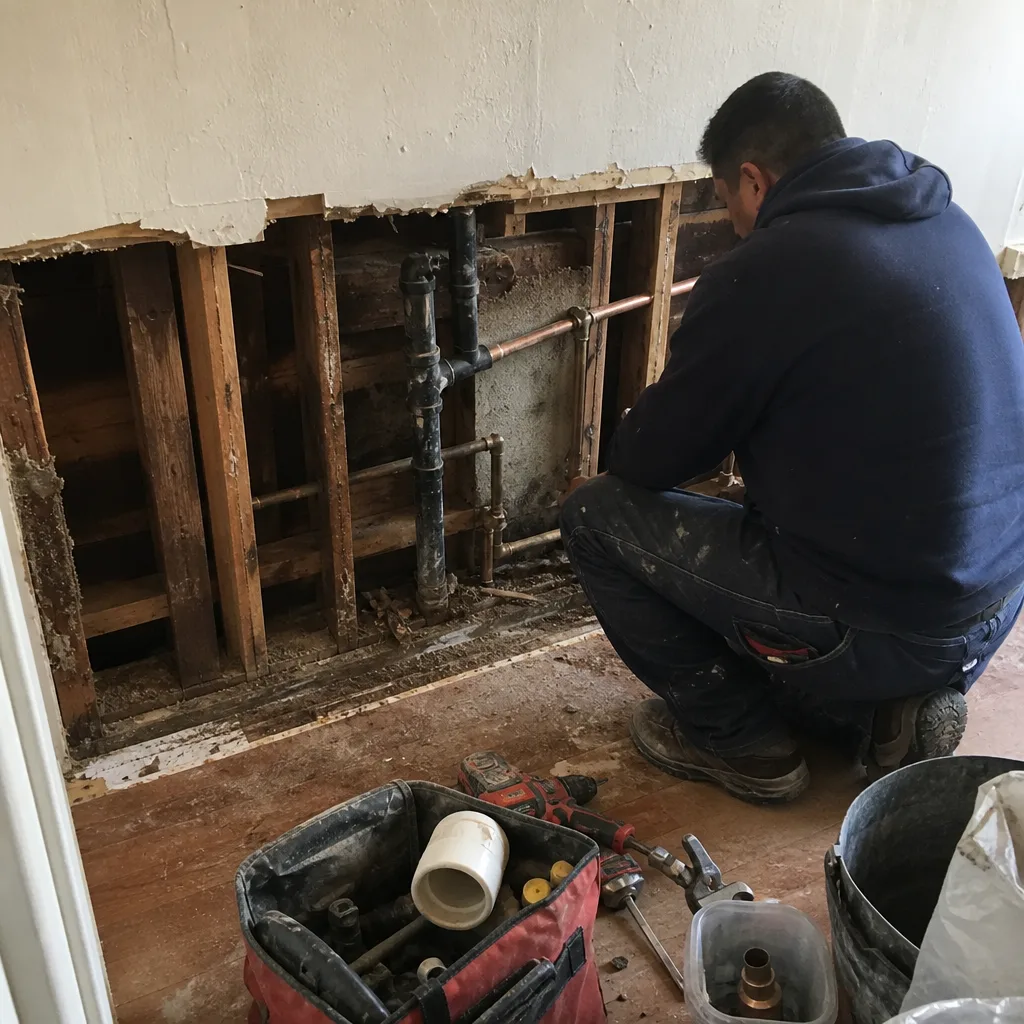
- Moving plumbing lines: Keeping the toilet and shower in their existing locations is the cheapest path. Moving a drain line across a slab or through joists adds $3,000 – $8,000 depending on framing access.
- Schluter waterproofing vs. standard cement board: A Schluter waterproofing system adds $1,000 – $2,500 in materials and labor, but it’s the difference between a shower that fails in 10 years and one that fails in 30. This is an installation-engineered material choice, not a cosmetic upgrade.
- Ventilation: Daly City bathrooms without proper exhaust fans develop mold quickly. Adding or upgrading a bathroom fan to meet current code adds $400 – $800, and it’s not optional on a permitted remodel.
For a mid-grade bathroom in Daly City, plan on $30,000 – $40,000. That gets you a fully permitted, properly waterproofed bathroom with quality fixtures that won’t need attention for 15 – 20 years.
ADU and Prefab Construction Costs: The 2026 Reality
ADU construction in Daly City runs $350 – $550 per square foot for site-built units and $300 – $450 per square foot for prefab units in 2026. A 600-square-foot one-bedroom ADU lands between $210,000 and $330,000 site-built, or $180,000 to $270,000 prefab, before utility connection fees. Those numbers are not the national average; they reflect San Mateo County’s labor market, seismic requirements, and permit fee structure.
Daly City’s ADU market is different from most suburban markets because of the city’s lot sizes and topography. Many Daly City lots have slope issues that trigger additional foundation engineering. A flat lot can take a prefab ADU on a simple slab; a lot with a 5-foot grade change will need piers or a retaining wall, adding $15,000 – $40,000 before construction begins.
Prefab ADU brands like Abodu, Dvele, Plant Prefab, Mighty Buildings, and Boxabl have changed the calculation for Daly City homeowners. A prefab unit from one of these manufacturers cuts on-site construction time from 9 – 12 months to 3 – 6 months, and that schedule compression saves real carrying costs. If a homeowner is financing the project, every month of construction is a month of interest payments with no rental income offsetting it. Cutting 5 months off the schedule on a $250,000 loan at 7% saves roughly $7,300 in carrying costs alone.
The other 2026 reality: Daly City’s ADU permit process has specific setbacks, height limits, and parking requirement exemptions that vary by neighborhood. The Westlake and Broadmoor areas have different rules than Serramonte or the southern hills neighborhoods. A contractor who builds ADUs regularly in Daly City knows which planning department reviewer handles which neighborhood’s applications and can flag a setback issue before the plan check submission, not after.
Home remodeling in Daly City with an ADU component is a materially different project than a standard kitchen or bath remodel. The structural, utility, and permitting complexity is its own discipline.
Hardscape Costs Per Square Foot: Fencing, Pavers, and Retaining Walls
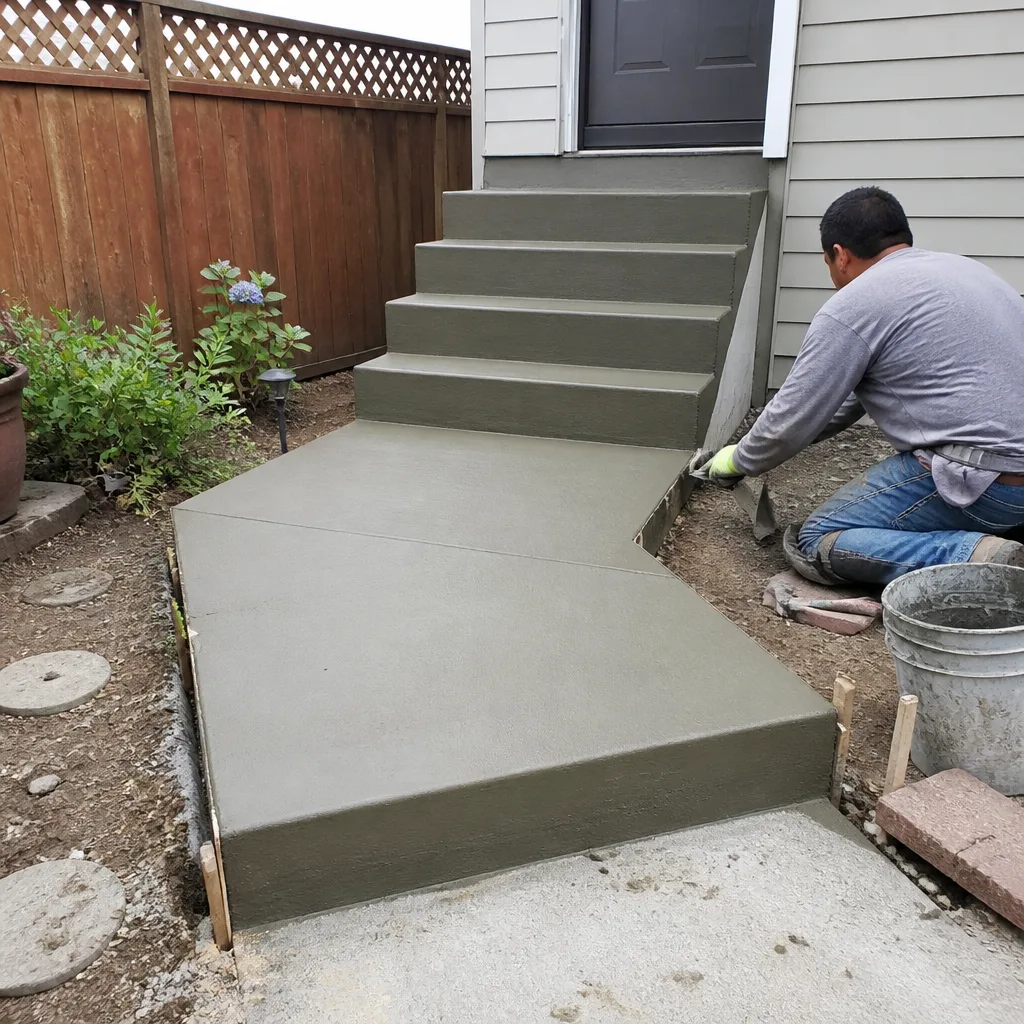
Hardscape costs in Daly City run $25 – $50 per square foot for paver patios and walkways, $45 – $85 per linear foot for standard 6-foot cedar fencing, and $60 – $120 per square foot for retaining walls in 2026. The spread is driven by drainage requirements and access constraints on Daly City’s hilly lots.
Here’s what Daly City homeowners typically encounter:
- Paver patio (concrete pavers over compacted base): $25 – $35 per square foot installed. Add $5 – $10 per square foot if the site needs significant excavation or the old concrete slab must be removed first.
- Fencing (cedar, standard 6-foot, with concrete-set posts): $45 – $70 per linear foot. Redwood runs higher. The Daly City wind factor matters: fence posts need to be set in concrete at proper depth or the first winter storm takes the fence down.
- Retaining walls (CMU block with proper drainage and engineering): $80 – $120 per square foot of wall face. Anything over 4 feet needs engineered plans and potentially a permit in San Mateo County.
The single biggest hardscape variable in Daly City is drainage. Many homes in the southern hills neighborhoods have clay-heavy soil that doesn’t drain well. A paver patio installed without a proper base will shift within two seasons. A retaining wall without weep holes and gravel backfill will lean and crack. These are not optional upgrades; they’re the difference between a hardscape that lasts 5 years and one that lasts 25.
Builder-Grade vs. Mid-Grade Materials: When Upgrades Pay Back
The material decision that most affects a Daly City renovation budget is where to spend on mid-grade and where builder-grade actually makes sense. Here’s the framework used when scoping projects across a 50+ brand material portfolio.
Upgrade pays back:
- Countertops: The difference between a low-tier quartz and a mid-grade like Caesarstone is $25 – $40 per square foot. On a 60-square-foot kitchen, that’s $1,500 – $2,400. Mid-grade quartz resists staining and scratching better over a 15-year horizon, and the cost difference disappears in the resale appraisal.
- Roofing: The jump from 3-tab to architectural shingles from Owens Corning or CertainTeed is $2 – $3 per square foot, or $3,200 – $4,800 on a typical Daly City roof. Architectural shingles carry 30 – 50 year warranties versus 15 – 25 for 3-tab. The math is straightforward.
- Shower waterproofing: Schluter systems cost $1,000 – $2,500 more per shower than standard cement board and membrane. A failed shower pan costs $8,000 – $15,000 to fix. The waterproofing upgrade is insurance with a known payoff.
Builder-grade is fine:
- Interior door hardware: A $25 Schlage lever handleset performs indistinguishably from a $75 designer brand for the first 20 years.
- LVP flooring: Mid-tier LVP at $4 – $6 per square foot installed wears as well as premium LVP at $8 – $10 in residential settings. The premium tier’s extra wear layer matters in commercial spaces, not Daly City living rooms.
- Bath exhaust fans: A $120 builder-grade Panasonic moves air as effectively as a $400 designer unit. What matters is the CFM rating and duct termination, not branding.
The key is that a home renovation contractor in Daly City should be presenting these choices openly. The material tier decision should be based on how long the homeowner plans to stay in the home and what the resale market rewards, not on which product the contractor has sitting in a warehouse.
How Single-Contractor Project Management Changes the Cost Equation
Most Daly City homeowners don’t realize that hiring separate contractors for a kitchen remodel, a roof replacement, and a paver patio carries hidden coordination costs. A single general contractor handling every phase eliminates that overhead in ways that show up as both time and money.
Here’s what single-contractor management actually changes:
- No markup stacking: When a homeowner hires a kitchen remodeler who subcontracts the electrical, the electrical sub bills the remodeler, who adds a coordination markup. When a single GC handles the whole scope, the trades bill directly against the project. The homeowner is not paying a markup on a markup.
- Material pricing across trades: A contractor with a 50+ brand portfolio buys roof underlayment, siding, and fencing materials from the same supply houses repeatedly. That volume gets trade pricing that a single-trade contractor doesn’t receive. The savings apply across the entire project, not just one line item.
- Schedule compression: A kitchen remodel that finishes on a Tuesday but waits two weeks for the flooring contractor to show up is paying interest on an unfinished project. A single GC sequences the trades so the flooring crew starts Wednesday. On a $60,000 financed remodel, every week of compressed schedule saves $80 – $120 in carrying costs.
- Shared dumpster and job site overhead: Three separate contractors means three separate dumpster rentals at $500 – $800 each. One GC means one dumpster. Three separate jobs means three sets of site protection and cleanup labor. One GC means one.
This is the practical, dollars-and-cents version of what “one contractor, every phase” actually means. The homeowner is not paying less because the contractor is cheaper. The homeowner is paying less because the coordination overhead that separate bids build in simply doesn’t exist.
What Drives Cost Overruns on Daly City Projects Specifically
Every city has its own cost-overrun patterns. In Daly City, the overruns come from three sources that are predictable once you know the housing stock and the climate. Our Construction Emergency Preparedness Guide for Daly City Homes covers how to plan for these surprises.
1. Hidden dry rot in original framing. Daly City’s fog belt means the exterior walls of 1950s – 1970s homes are frequently wetter than they look. When siding comes off for a window replacement or an addition, the framing behind it often reveals dry rot at the sill plates and window headers. Replacing rotted framing adds $2,000 – $8,000 to a window project and $10,000 – $25,000 to a room addition, and it’s impossible to know it’s there until the wall is opened.
2. Asbestos-era materials in pre-1980 homes. Daly City’s housing boom peaked in the 1960s and 1970s, during the era when asbestos showed up in popcorn ceilings, vinyl sheet flooring, and drywall compound. Any remodel on a home built before 1980 should include a $1,500 – $4,000 line item for asbestos testing and potential abatement. A kitchen floor with asbestos-containing vinyl under the tile adds $3,000 – $6,000 in abatement costs.
3. Drainage issues discovered mid-excavation. Daly City’s hilly terrain creates subsurface water issues that standard bids don’t see. An ADU foundation excavation that hits an unmarked drainage swale or a broken 1960s clay drain line will need repair before the pour. That’s $5,000 – $15,000 that no contractor could have bid accurately without X-ray vision.
The honest contractor flags these risks in the bid. The homeowner who’s been through a previous remodel knows to ask about them. The solution is a contingency line item: 8 – 12% of the total project budget, clearly labeled, released only when an actual discovery documents the need. That’s standard practice among experienced Daly City contractors and not a sign of a padded estimate.
Common Mistakes to Avoid
- Comparing the Daly City bid to a national average and discarding it. A $60,000 kitchen bid that seems 30% above a $45,000 national average is actually right in line for the Bay Area. The national average was never a valid comparison.
- Not budgeting for permit fees. San Mateo County permits add 3 – 8% to a project. A homeowner who doesn’t plan for them will be $3,000 – $6,000 short on a typical remodel.
- Choosing the lowest bid without checking license and insurance. The bid that’s 15% below every other quote is low because something is missing. Usually it’s insurance, a license, or permits. Sometimes it’s all three.
- Buying builder-grade materials where the upgrade costs less than the repair. The $1,500 saved on a standard shower pan will cost $10,000 when it fails in year eight. Daly City’s humidity accelerates that failure.
- Ignoring drainage before building hardscape. A paver patio on Daly City’s clay soil without proper base preparation is a two-season patio. The drainage work is not an upsell.
- Not planning for the discovery contingency. Pre-1980 Daly City homes will reveal something when the walls come open. If the budget has no contingency line, the project stops when the discovery happens.
- Hiring separate contractors for multi-trade projects. The coordination savings from a single GC are real and quantified above. Three separate bids look cheaper line-by-line but cost more when the schedule gaps and markup stacking appear.
When to Call a Professional
Any project that touches plumbing, electrical, structural framing, or roofing in Daly City needs a licensed contractor. That’s not a recommendation; it’s a San Mateo County code requirement. A homeowner can paint, replace cabinet hardware, and change light fixtures without permits. The moment a wall moves, a drain relocates, a circuit is added, or a roof deck is exposed, the project requires a permit and a licensed professional.
Homeowners should also call a professional when the scope spans multiple trades. A kitchen remodel that includes electrical, plumbing, tile, cabinetry, and flooring is not a DIY project, and it’s not a project for three separate handymen. It’s a job for one accountable contractor. Daly City Construction offers free estimates for Daly City homeowners, and a consultation with a licensed contractor costs nothing and clarifies the real scope before any commitment is made. Call (866) 505-5254 to schedule yours.
Frequently Asked Questions
A mid-grade kitchen remodel in Daly City runs $45,000 – $85,000, or roughly $350 – $650 per square foot, with labor representing 45 – 55% of the total and San Mateo County permit fees adding $1,800 – $4,500 on top. The range reflects material choices, existing home conditions, and whether electrical or plumbing lines need updating to code. Call (866) 505-5254 for a line-item estimate on your specific kitchen.
Daly City construction costs run 15 – 25% above national averages because Bay Area skilled labor rates are structurally higher, San Mateo County permit and plan check fees apply to nearly every project, and the region’s material supply chain adds logistics costs. The gap is not contractor margin; it’s the local cost of doing compliant, insured work.
A tear-off and architectural shingle roof replacement in Daly City runs $8 – $12 per square foot, or $800 – $1,200 per roofing square, with Owens Corning and CertainTeed mid-grade shingles landing in the $9 – $11 per square foot range. Decking repair for older Westlake and St. Francis Heights homes adds $2 – $3 per square foot when the old deck is found to be failing.
ADU construction in Daly City runs $350 – $550 per square foot for site-built units and $300 – $450 per square foot for prefab units from brands like Abodu, Dvele, or Plant Prefab, before utility connection fees. Lot slope and foundation requirements on Daly City’s hillside lots can add $15,000 – $40,000 to the total.
Yes, any bathroom remodel that changes plumbing lines, electrical wiring, or structural elements requires San Mateo County building permits and inspections. A surface-level update that keeps all fixtures and wiring in place may not require permits, but a full gut and rebuild always does. A licensed contractor handles the permit process as part of the project scope.
Prices change only when a discovery reveals something that wasn’t visible at bid time, such as dry rot in framing, asbestos-containing materials, or subsurface drainage issues. The standard practice is an 8 – 12% contingency line item that’s only released when an actual discovery documents the need. Fixed bids without any contingency are a red flag that corners will be cut when the inevitable discovery happens.
The Bottom Line
Daly City construction costs in 2026 are what they are: labor-heavy, permit-stringent, and material-logistics-constrained. The homeowners who build successful projects are the ones who budget for the real numbers, not the national averages. They plan for permit fees, set aside a contingency, choose materials based on longevity rather than initial price, and hire one accountable contractor instead of juggling three separate bids. The result is a project that finishes on budget and stays finished. Talk to a general contractor in Daly City before you commit to a number, and get the estimate that reflects this market, not someone else’s.
Written by the team at Daly City Construction, serving Daly City since 2013.
See the difference
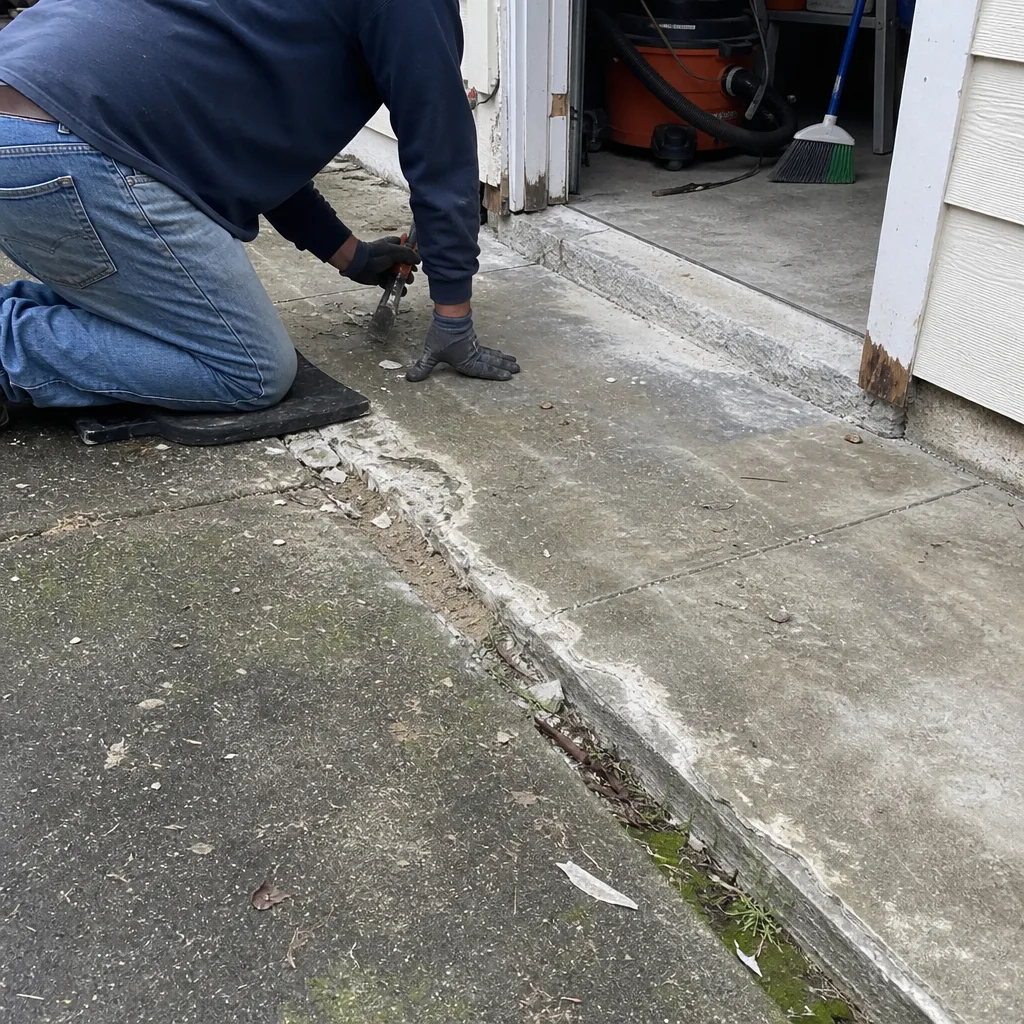 Before
 After
 Before
 After
 Before
 After