

Last updated October 31, 2026
 Kitchen remodeling
 Bathroom remodeling
 Home additions & ADU
 Roofing
 Windows & doors
 Driveway & pavers
 Fence
Free written scope consultation - allowances, timeline, and change-order rules on paper before a single trade is scheduled
General Contractor Troubleshooting: Common Problems and How to Fix Them
A leaking skylight installed by a roofer who didn’t coordinate with the framing sub isn’t a roofing problem. It’s a project management problem, and your general contractor’s contract language determines whether you pay to fix it or they do. Most renovation failures we encounter in Daly City aren’t caused by bad materials. They’re caused by handoff gaps between trades that a fragmented contractor setup creates by default. This guide diagnoses the ten most common mid-project failures, explains exactly which party is responsible, and shows you how to resolve each one without losing the relationship, the schedule, or your budget.
Quick Answer
Most general contractor problems fall into five categories: scope gaps between trades, material substitutions, inspection failures, communication breakdowns, and budget overruns. Each has a specific contractual or procedural fix that homeowners can invoke before the problem becomes a cost overrun. The key is knowing which party owns the failure and what written documentation triggers the remedy.
Styles & brands we work with
Table of Contents
- Scope Gaps: The Most Expensive Problem Nobody Sees Coming
- When Subcontractors Show Up With the Wrong Materials
- The Five Inspection Failure Types in San Mateo County
- What to Do When Your GC Goes Quiet Mid-Project
- Budget Overrun Troubleshooting: Unforeseen Conditions vs. Poor Estimating
- The Connection-Point Problem: Where Trades Actually Fail
- Change Orders: When to Sign, When to Push Back
- Prefab ADU Coordination: A Different Kind of Handoff Risk
If you’re working with a general contractor in Daly City, the contract language you sign determines most of your leverage when problems arise. This guide assumes you either have a contract in place or are about to sign one. The fixes we describe work within standard CSLB contract frameworks, not against them.
Scope Gaps: The Most Expensive Problem Nobody Sees Coming
A scope gap is what happens when two trades touch the same physical point but neither contract explicitly assigns responsibility for the connection. The roofer finishes the roof. The siding crew finishes the siding. But the flashing where the roof meets the wall belongs to nobody. It’s not in the roofing bid. It’s not in the siding bid. Three months later, water is running down the inside of your wall.
In Daly City’s coastal climate, where wind-driven rain against west-facing walls is an annual certainty from November through March, scope gaps at roof-to-wall transitions and window-to-siding junctions are the single most common source of post-completion water intrusion. We see it most often in homes built between 1950 and 1980 in the Westlake and St. Francis Heights neighborhoods, where original flashing was minimal and remodels have layered new materials over old transitions.
Here’s how to identify a scope gap in writing before work starts:
- Read the scope of work section for each trade, not just the total price. If the contract says “roofing” but doesn’t mention flashing, counter-flashing, or roof-to-wall transitions, that’s a gap waiting to happen.
- Ask the direct question: “Who installs the flashing at the roof-to-wall junction?” If the answer is “we’ll coordinate that on site,” get it in writing as a named line item with a responsible party.
- Check for transition language. Look for phrases like “ties into existing,” “as required,” or “to be determined.” These are not scope. They are ambiguity. Each one should be replaced with a specific material, method, and responsible party.
- Request a written interface schedule. A competent GC will produce a one-page document listing every trade-to-trade connection point (roof-to-siding, plumbing-to-tile, electrical-to-cabinetry, window-to-stucco) and naming the party responsible for each.
The fix for a scope gap discovered mid-project is to document it immediately in writing and request a change order that assigns responsibility and cost. Do not accept verbal agreement. If you’re in the middle of a home remodeling project in Daly City and you spot a gap, the change order protects you from paying twice for the same connection point later.
When Subcontractors Show Up With the Wrong Materials
You specified Therma-Tru exterior doors in your contract. The sub shows up with a mid-tier fiberglass door from a brand you’ve never heard of. The sub says it’s “basically the same.” It isn’t. This is material substitution, and it’s one of the most common ways homeowners lose the value they paid for without ever knowing it happened.
The escalation chain works like this:
- Stop the work. Tell the sub directly that the materials don’t match the contract and they should not install anything until the GC confirms. Do this in person and follow up in writing, ideally with a photo.
- Notify the GC in writing the same day. Email or text. Attach the photo. Reference the specific contract line item and the specific material that was specified versus what arrived. Example: “Contract line 4.2 specifies Therma-Tru fiberglass door 36×80. Sub arrived with an unbranded door. Work stopped pending confirmation.”
- Request a written resolution within 48 hours. The GC either sends the correct materials or issues a change order reflecting the substitution. If they issue a change order, it must include a price adjustment in your favor, not just a material swap at the same price.
- If the GC pushes back, invoke the contract’s substitution clause. Most standard contracts require written owner approval for any material substitution. No written approval means no substitution. Period.
The reason this happens is simple: subs buy materials from their usual suppliers, and if they didn’t order the specified brand in time, they grab what’s in stock. A GC with genuine brand relationships can prevent this. We work directly with manufacturers like Therma-Tru, ES Windows, and ECO Window Systems, which means the materials specified in the contract are the materials that arrive on site. No showroom runaround, no last-minute substitutions.
The Five Inspection Failure Types in San Mateo County
Inspections in San Mateo County are exacting. The county’s building department enforces Title 24 energy standards and the California Building Code with less tolerance for variance than many neighboring jurisdictions. Here are the five failure types we see most often, and critically, which ones are the GC’s fault versus which ones trace back to a homeowner decision.
1. Framing inspection failure due to unapproved field modifications. This is the GC’s fault. If the framing deviates from the permitted plans and the GC didn’t flag it with a revision request before the inspection, the failure belongs to the contractor. Fix: require the GC to submit the revision and pay for the re-inspection.
2. Electrical rough-in failure from circuit layout changes. This can go either way. If the homeowner asks for additional outlets or a relocated panel during construction and the electrician wires it without a plan revision, that’s a homeowner-driven failure. If the electrician wired to code but the plan didn’t match, that’s on the GC. Fix: the party who deviated from the permitted plan pays the re-inspection fee and any revision costs.
3. Insulation inspection failure from vapor barrier issues. In Daly City’s marine climate, the building department is particularly strict about vapor barrier installation in exterior walls. This failure is almost always the insulating sub’s fault, but the GC owns the responsibility. Fix: no charge to the homeowner. This is a contractor-side correction.
4. Final inspection failure from missing documentation. This happens when the GC didn’t collect the required manufacturer installation certificates, especially for windows and doors. If you specified ES Windows or ECO Window Systems products, the manufacturer provides installation certification documentation. The GC is responsible for having it on site. Fix: GC resolves at their cost.
5. Plumbing inspection failure from fixture placement conflicts. This one splits. If the homeowner changed the sink or shower location after the plans were approved, that’s a homeowner-driven failure. If the plumber installed according to code but the cabinet layout didn’t match the plan, that’s a GC coordination failure. Fix: the party who caused the deviation pays.
In our experience, roughly two-thirds of inspection failures trace back to coordination problems rather than craft problems. A GC who manages the permit, the plan, and the sub as one continuous process prevents most of these before the inspector ever arrives.
What to Do When Your GC Goes Quiet Mid-Project
The crew stops showing up. Calls go to voicemail. Texts get one-word answers or none. This is the most stressful failure for homeowners because it feels like the project is over and the money is gone. It isn’t necessarily. Contractors go quiet for a lot of reasons: cash flow problems, over-scheduling, personal issues, or subcontractor disputes that have nothing to do with your project. None of those reasons are your problem to solve. Your job is to trigger the contractual remedy.
Here’s the exact sequence:
- Send a written notice by both email and certified mail. The subject line should read: “Notice of Project Delay and Request to Cure.” The body should state the date work stopped, the number of days without scheduled activity, and the specific contract section that governs the project schedule.
- Invoke the cure period. Most CSLB-form contracts include a clause allowing the homeowner to notify the contractor of a default and provide a reasonable time to cure, typically 10 to 14 days. Your notice should state: “Pursuant to Section [X] of our contract, you have 14 days from receipt of this notice to resume work and provide a revised written schedule. If work does not resume within this period, we will consider this a material breach.”
- Do not threaten CSLB complaint language in the first notice. The goal here is to get the project moving again, not to escalate. Threatening regulatory action in the first communication often causes the contractor to go further defensive, which costs you another month.
- If the cure period expires with no action, then you escalate. That’s when a CSLB complaint, a demand letter from a construction attorney, or a claim against the contractor’s bond becomes appropriate. Keep all written communication. Every email, every text, every certified mail receipt.
Prevention is better than cure. Before you sign with any home renovation contractor in Daly City or anywhere in the Bay Area, ask about their current workload. A GC running 14 simultaneous projects is a future quiet-period problem. A GC with a dedicated project manager and a clear weekly communication cadence is not.
Budget Overrun Troubleshooting: Unforeseen Conditions vs. Poor Estimating
Every renovation budget has a contingency. The question isn’t whether you’ll spend it. The question is whether it goes to legitimate unforeseen conditions or to the GC’s poor estimating, and whether you can tell the difference.
Legitimate unforeseen conditions are things that could not have been discovered before the work started without destructive investigation. A rotted subfloor behind the kitchen tile. A cracked sewer line under the slab. Termite damage inside a wall cavity. These are real, and you pay for them. The fix is discovered, documented with photos, and priced with a specific change order that shows the exact labor and material cost.
Poor estimating looks different. If the GC’s original bid said “demo: $4,500” and the actual demo invoice is $9,000 with no unforeseen condition attached, that’s not a surprise. That’s a bad estimate. If the plumbing rough-in allowance was $8,000 and the actual came in at $14,000 because the estimator “forgot” the gas line for the new range, that’s a GC error. You should not pay for it.
Here’s how a detailed bid structure reveals which one you’re dealing with:
- A good bid breaks down by trade and by line item. Demo, framing, plumbing rough-in, electrical rough-in, drywall, tile, paint are all separate line items with specific dollar figures. If the overrun is in one specific line item and the GC can show you the cause with photos, it’s probably legitimate.
- A bad bid lumps things together. “Interior remodel: $72,000” with no breakdown is a blank check written to the GC. Every overrun is now a negotiation, and you have no data to negotiate with.
- Allowance language matters. If your contract has “allowances” for materials like tile, fixtures, and cabinetry, the allowance should specify exactly what’s included at that price. An “allowance” with no stated scope is another blank check.
When a budget overrun happens, request a written change order that includes: the specific cause, the specific cost, the specific schedule impact, and the specific approval signature line. If the GC won’t produce that document, you’re dealing with poor estimating wearing a costume.
The Connection-Point Problem: Where Trades Actually Fail
The highest-risk moments in any renovation are the physical points where one trade’s work meets another’s. We’ve already covered roof-to-wall flashing. Here are the other connection points that fail most often in Daly City homes.
- Plumbing-to-tile at the shower pan. The plumber installs the drain. The tile sub installs the waterproofing and tile. If the plumber’s drain flange isn’t correctly set for the tile assembly thickness, the shower leaks. The fix is a pre-tile coordination check. One person needs to own it.
- Window-to-siding at the exterior wall. The window installer sets the window. The siding crew installs the siding. The flashing in between belongs to both and therefore to neither. Without a written interface assignment, water finds its way behind the siding and into the wall.
- Cabinet-to-electrical at the kitchen island. The electrician roughs in the outlets. The cabinet installer sets the island. If the cabinet design didn’t account for the outlet placement, you get a beautiful island with no power for the mixer. This is a coordination failure, not a craft failure.
- Hardscape-to-foundation at the exterior slab. The hardscape crew pours concrete against the foundation. If the drainage slope isn’t right, water runs toward the house instead of away from it. In Daly City’s wet winters, this is a mold problem waiting for the first big storm.
The systemic fix is a written interface schedule that names a single responsible party for every connection point. We produce this document for every multi-trade project because we’ve learned the hard way that “coordination on site” means “no coordination” about half the time. For a deeper look at how this applies to whole-home projects, see our guide to home remodeling in Daly City.
Change Orders: When to Sign, When to Push Back
Change orders are not inherently bad. They’re how legitimate scope changes get documented and priced. The problem is when change orders arrive as surprises, on top of surprises, without clear justification or pricing. Here’s the framework for evaluating every change order you receive.
Sign it when:
- The change reflects a real scope addition you requested, like adding a window or upgrading from American Standard to Kohler fixtures.
- The change order includes a specific price, a specific schedule impact, and a clear description of the work being added.
- The change order references a documented unforeseen condition with photos and an explanation of why it couldn’t have been caught earlier.
- The pricing is consistent with the original bid structure. If the original demo rate was $4,500 for a kitchen, a change order for an additional $9,000 for the same demo scope is not consistent.
Push back when:
- The change order has no specific price, just “TBD” or “time and materials.”
- The change order describes work that was already in the original scope but is now being re-priced as an add-on.
- The change order has no schedule impact stated. Scope changes don’t happen in a vacuum. They extend the timeline, and you should know by how much before you sign.
- The change order arrives as a surprise, with no prior discussion and no written justification.
The right response to a bad change order is not to refuse to sign. It’s to respond in writing requesting the missing information. “Please provide a specific price, a specific schedule impact, and an explanation of how this work differs from the original scope.” That simple sentence forces the GC to do the documentation work, and it signals that you’re reading every document before you sign it.
Prefab ADU Coordination: A Different Kind of Handoff Risk
Accessory dwelling units, particularly prefab ADUs from manufacturers like Abodu, Dvele, Mighty Buildings, Boxabl, and Plant Prefab, introduce a handoff risk that traditional stick-built construction doesn’t have. The ADU manufacturer controls the structure. The site contractor controls the foundation, utilities, and site work. The gap between the two is where projects stall.
In Daly City, where lot sizes are modest and setback requirements are strict, the site preparation work often determines whether a prefab ADU fits at all. The foundation has to be exact, within a fraction of an inch. The utility stub-outs have to land precisely where the manufacturer’s drawings say they will. The crane or delivery path has to be cleared and confirmed for the specific delivery vehicle. If any of these three conditions is off, the ADU doesn’t get placed, and the project sits.
The fix is to have a GC who understands both sides of the handoff. The manufacturer’s drawings are the governing document for the structure. The site survey and foundation work are the governing documents for the site. Somebody has to read both and coordinate them before the forms get poured. Most specialty ADU installers understand the site side. Most prefab manufacturers understand the structure side. Very few contractors understand both. If you’re considering an ADU, ask your GC specifically: “Have you coordinated a prefab delivery with the manufacturer’s field team before? Which brands have you worked with?” If the answer is vague, you’re about to become the coordinator.
For more context on how full-scope projects work, start with our overview of Daly City Construction home services or our detailed piece on the general contractor role in Daly City.
Common Mistakes to Avoid
- Signing a contract with no scope-of-work detail. If the contract doesn’t list specific materials, specific connection points, and a trade-by-trade scope, you’re signing a blank check. Demand the detail before you sign.
- Accepting verbal promises as contract terms. “We’ll figure that out on site” is a promise to have a dispute later. Every promise goes in writing or it doesn’t exist.
- Not documenting change order discussions. Every conversation about cost, schedule, or scope should be followed by a written summary email. “Per our conversation today, you confirmed the tile allowance is $4,000 including installation.” That email is your paper trail.
- Paying too much up front. In California, the legal limit for a down payment is 10% of the project total or $1,000, whichever is less. Any GC asking for more is violating CSLB rules.
- Waiting too long to address a problem. A small issue at week three becomes a big issue at week eight. Address problems in writing within 24 hours of noticing them.
- Not verifying the GC’s license before signing. Check the CSLB license status. Check it again. Check for pending complaints. This takes five minutes and prevents most of the problems in this guide.
See the difference
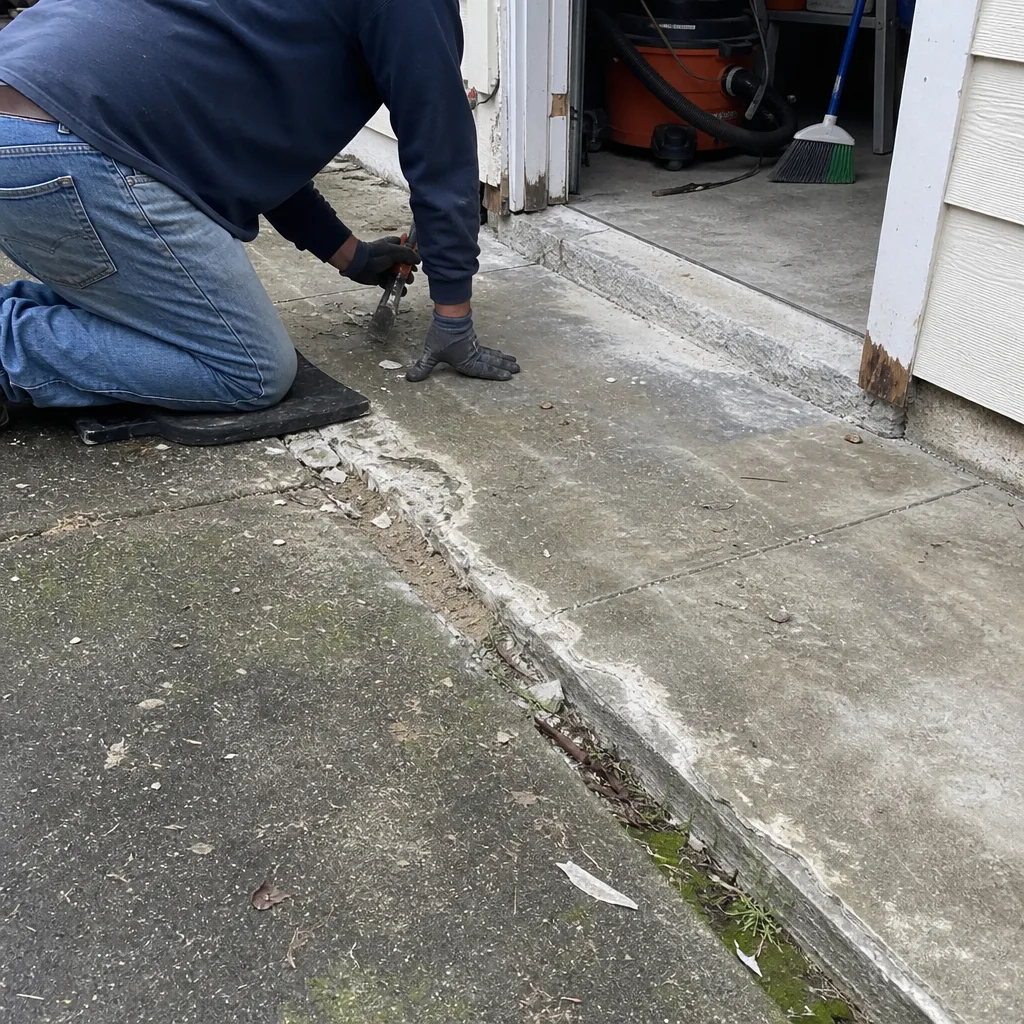 Before
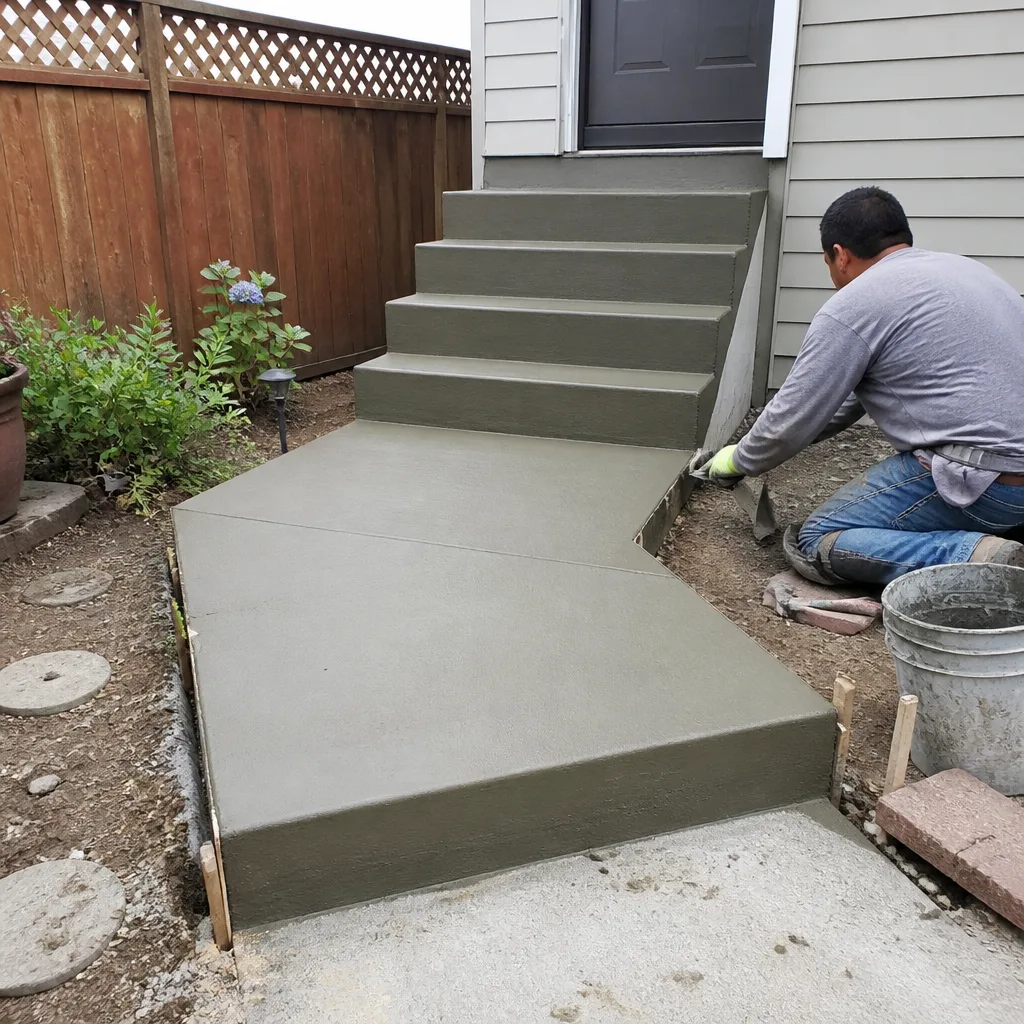 After
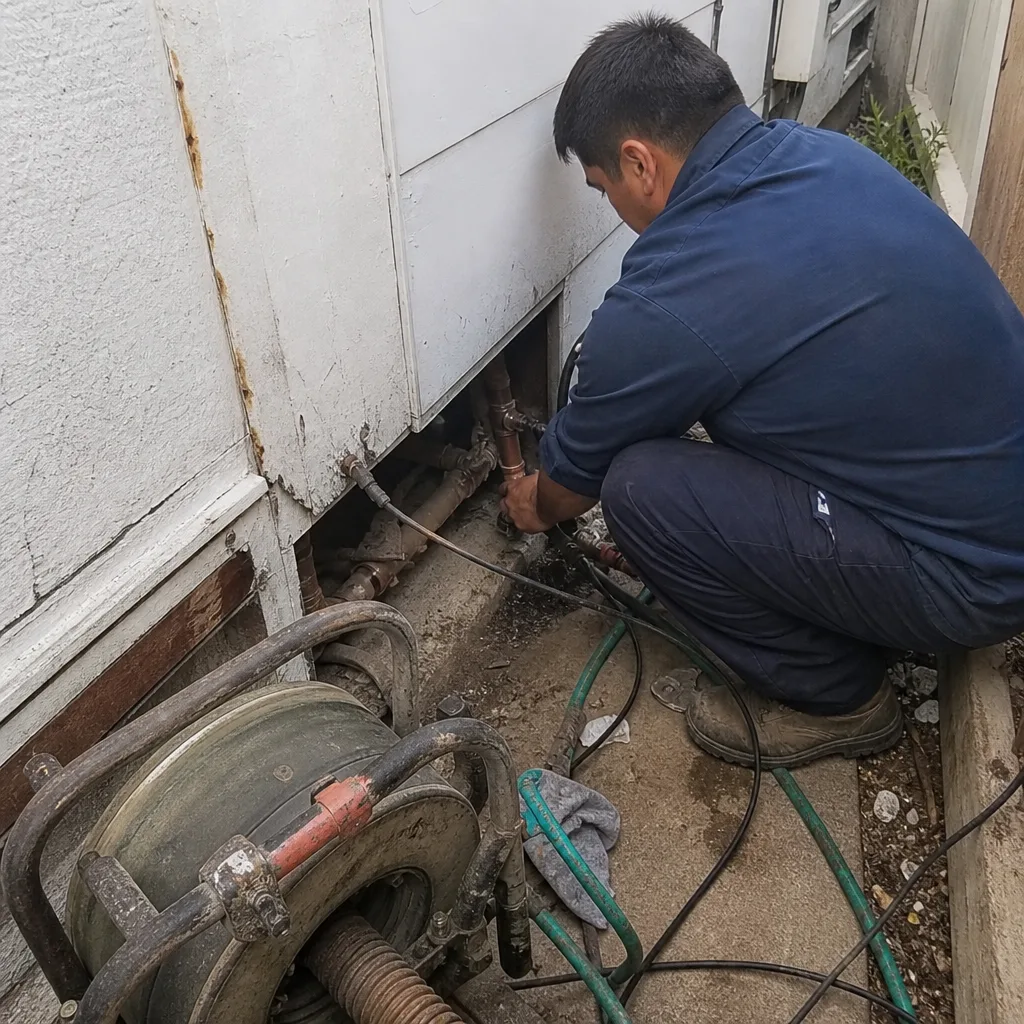 Before
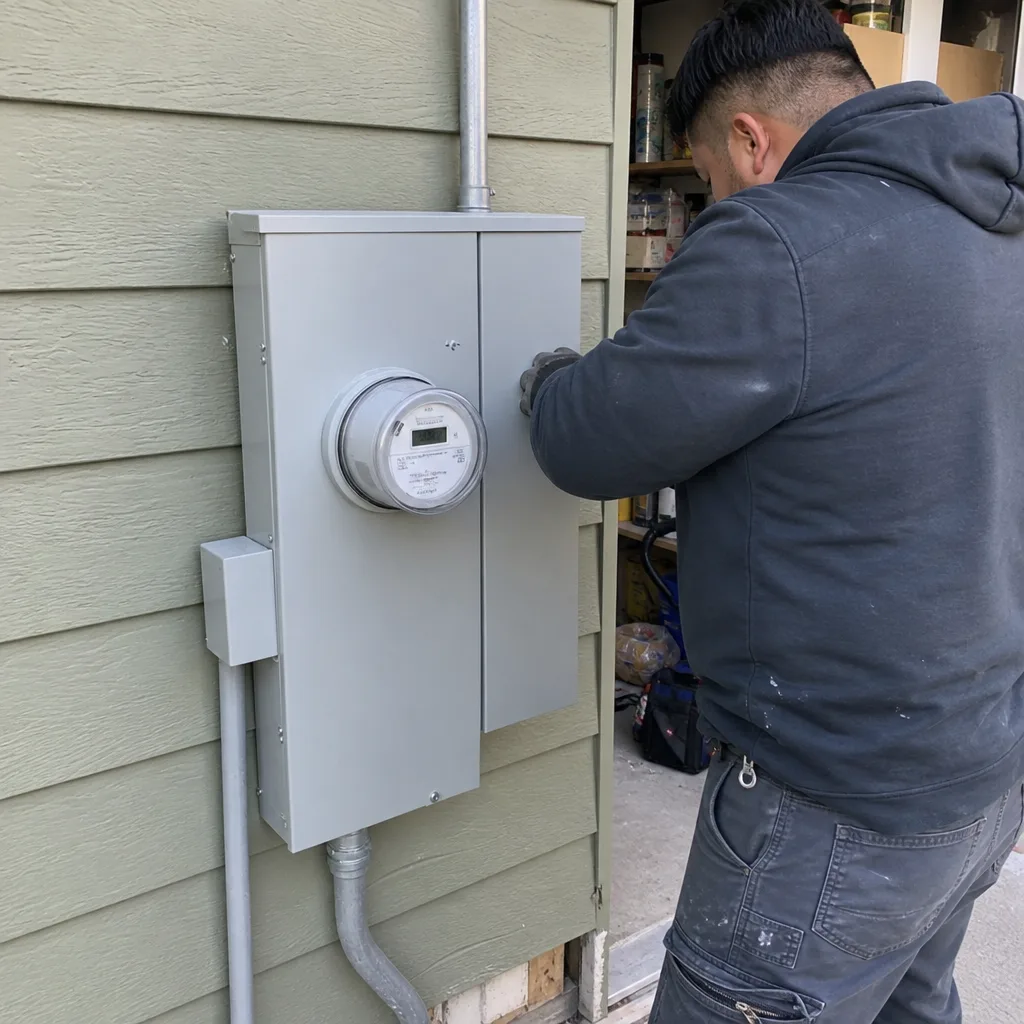 After
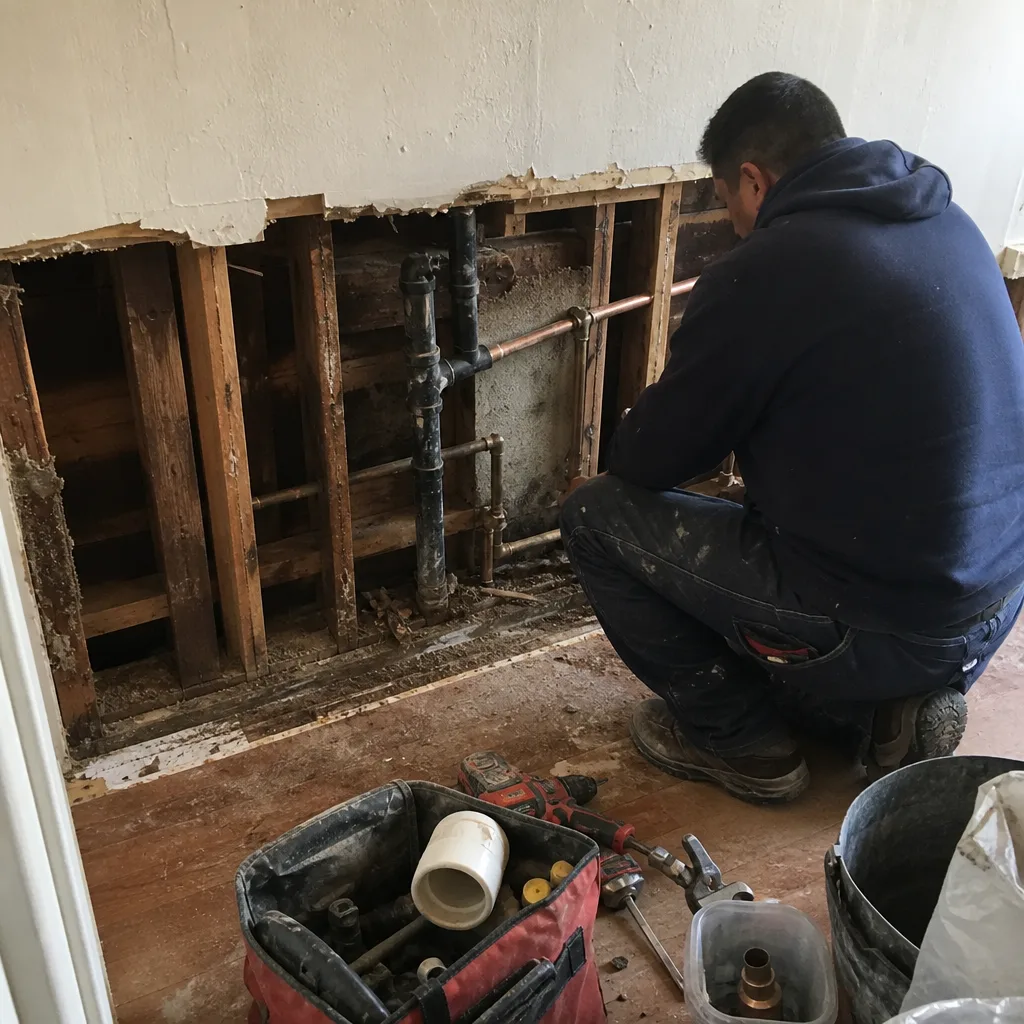 Before
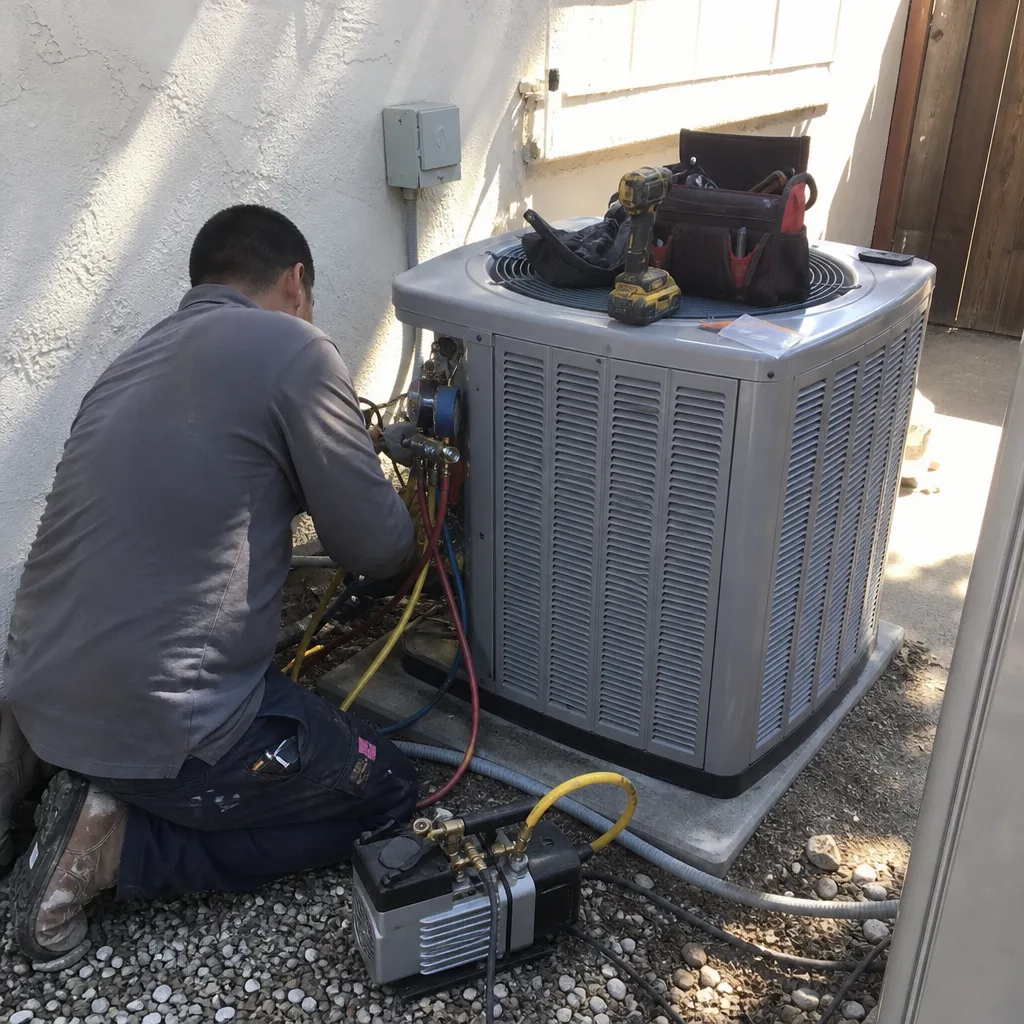 After
When to Call a Professional
Some problems are not fixable from outside the project. If you’re mid-renovation and you’ve discovered a scope gap, a material substitution, or a coordination failure that your current GC won’t address in writing, that’s the moment to bring in an outside professional for a second opinion. A licensed general contractor can review your contract, assess the work in place, and tell you exactly what your options are. If you’re in the planning stage and want to avoid these problems entirely, that’s the ideal time to have a real conversation about how the project will be managed. Daly City Construction offers free estimates in Daly City. Call (866) 505-5254 to talk through your project before you sign anything.
Frequently Asked Questions
If the mistake is a coordination failure or craft error by the contractor, the fix should cost you nothing beyond what you already paid in the contract. If the mistake traces back to a homeowner decision that deviated from the permitted plans, you’ll pay for the revision and the re-work. The distinction comes down to written documentation, which is why the contract language matters more than the initial bid number.
Yes, you can terminate a general contractor in California, but the process is governed by your contract’s termination clause and CSLB regulations. You must provide written notice, allow the cure period if applicable, and document everything. Before terminating, consult a construction attorney to review your specific situation, because the financial consequences of a wrongful termination can exceed the cost of resolving the original problem.
The biggest red flag is a bid with no trade-by-trade breakdown and no written scope of work. A single number with “we’ll handle everything” covering it is not a bid. It’s an invitation to negotiate from zero leverage. The second red flag is a GC who won’t name the specific brands they install for windows, doors, roofing, and fixtures. Name brands signal real supply relationships. Generic answers signal whoever is cheapest that week.
A full kitchen remodel in Daly City typically takes 8 to 12 weeks from demo to final inspection, assuming permits are already approved and materials are ordered before work starts. Projects that fail to hit this window almost always fail because of coordination gaps, not craft speed. If the cabinets arrive after the electrical rough-in is done, the electrician has to come back. Every return trip costs schedule time. A GC who manages material ordering as a project task, not an afterthought, keeps the timeline tight.
Prefab ADUs from manufacturers like Abodu, Dvele, and Plant Prefab can be less expensive than stick-built for the structure itself, but site costs in San Mateo County vary widely by lot conditions. The savings come from factory-controlled construction and reduced on-site labor, not from the site work, which stays about the same either way. The real variable is coordination. A poorly coordinated prefab placement can erase the savings in crane fees, re-work, and schedule delays.
Look for four things: a trade-by-trade scope of work with specific materials named, a written interface schedule that assigns responsibility for every trade-to-trade connection point, an allowance schedule that states exactly what’s included at each allowance price, and a change order clause that requires written approval before any scope or price change. If those four items are present, you have a contract that protects you. If any one is missing, fix it before you sign.
The Bottom Line
Most general contractor problems aren’t mysterious. They’re predictable, and they’re preventable. Scope gaps happen when contracts don’t name responsibility for connection points. Material substitutions happen when the GC lacks real supply relationships. Inspection failures happen when coordination breaks down. Budget overruns happen when estimating was vague. The common thread is documentation. Homeowners who demand written scope, written interfaces, and written change orders avoid most of the failures this guide describes. The rest comes down to hiring a contractor who manages the whole project as one continuous process, not a series of disconnected trades. That’s the model we build on at Daly City Construction, and it’s why our projects finish the way they were planned.
Written by the team at Daly City Construction, serving Daly City since 2013.