

Last updated October 31, 2026
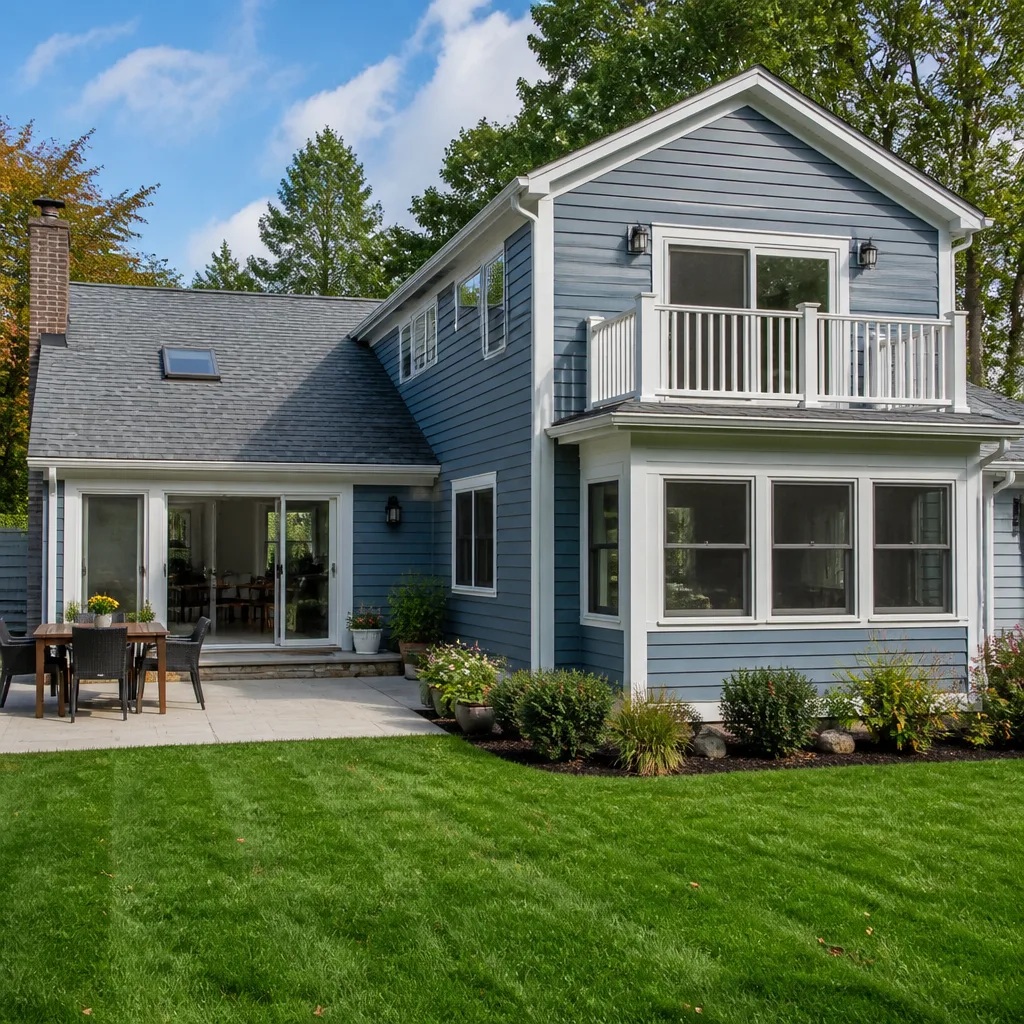 Home additions & ADU
 Kitchen remodeling
 Bathroom remodeling
 Roofing
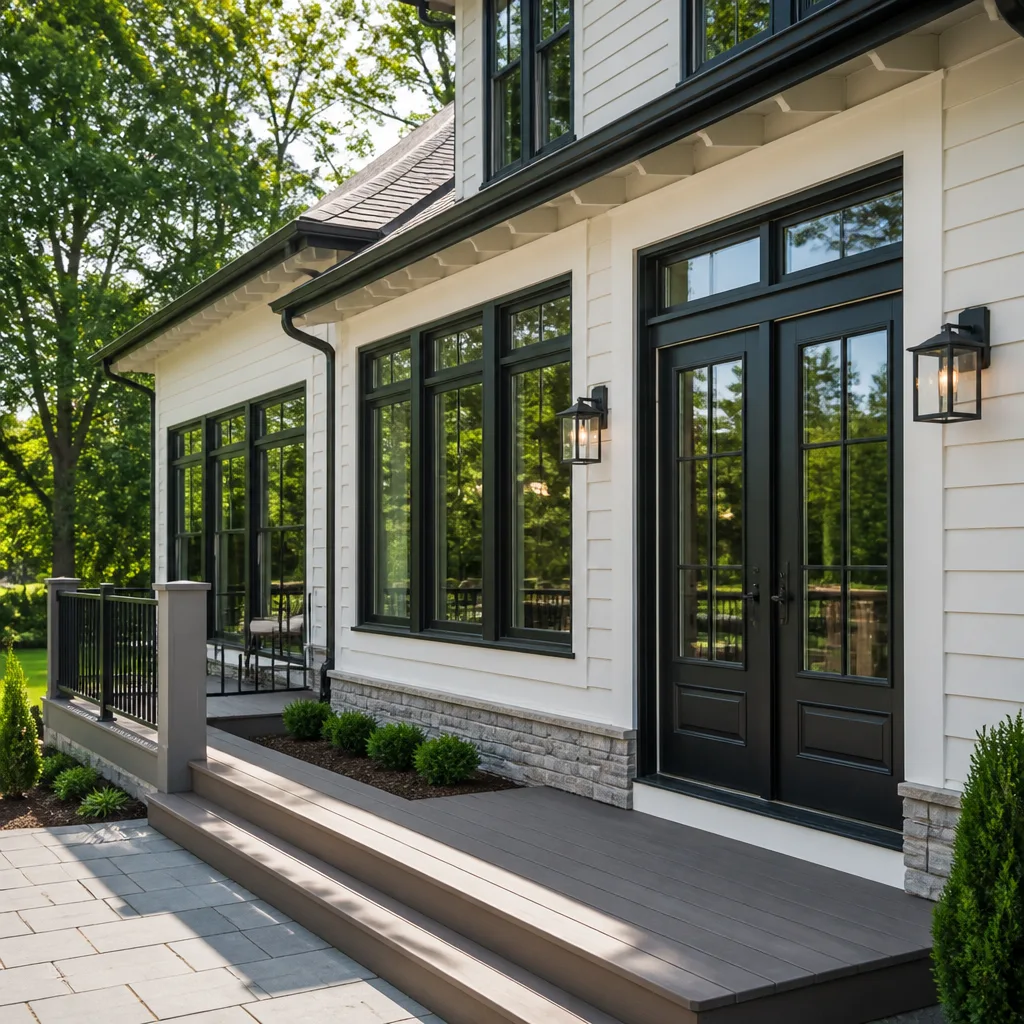 Windows & doors
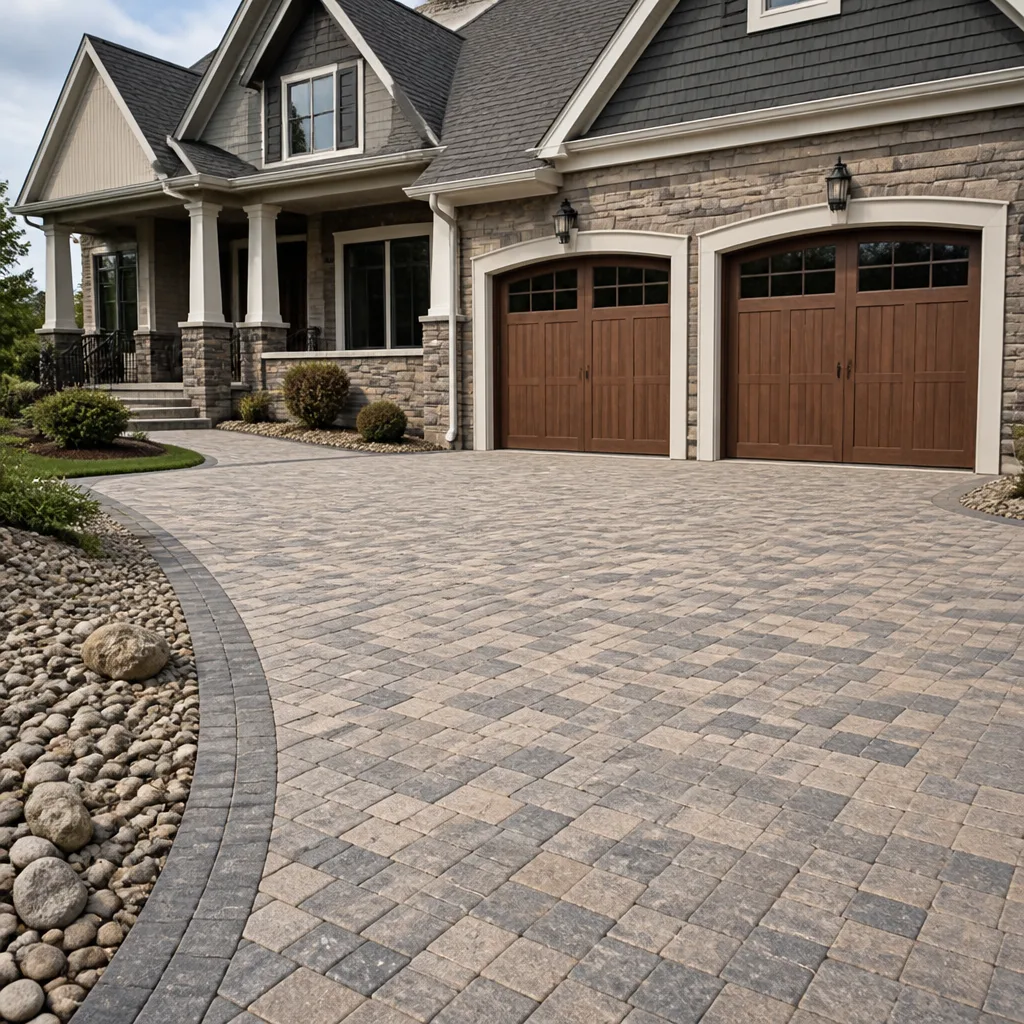 Driveway & pavers
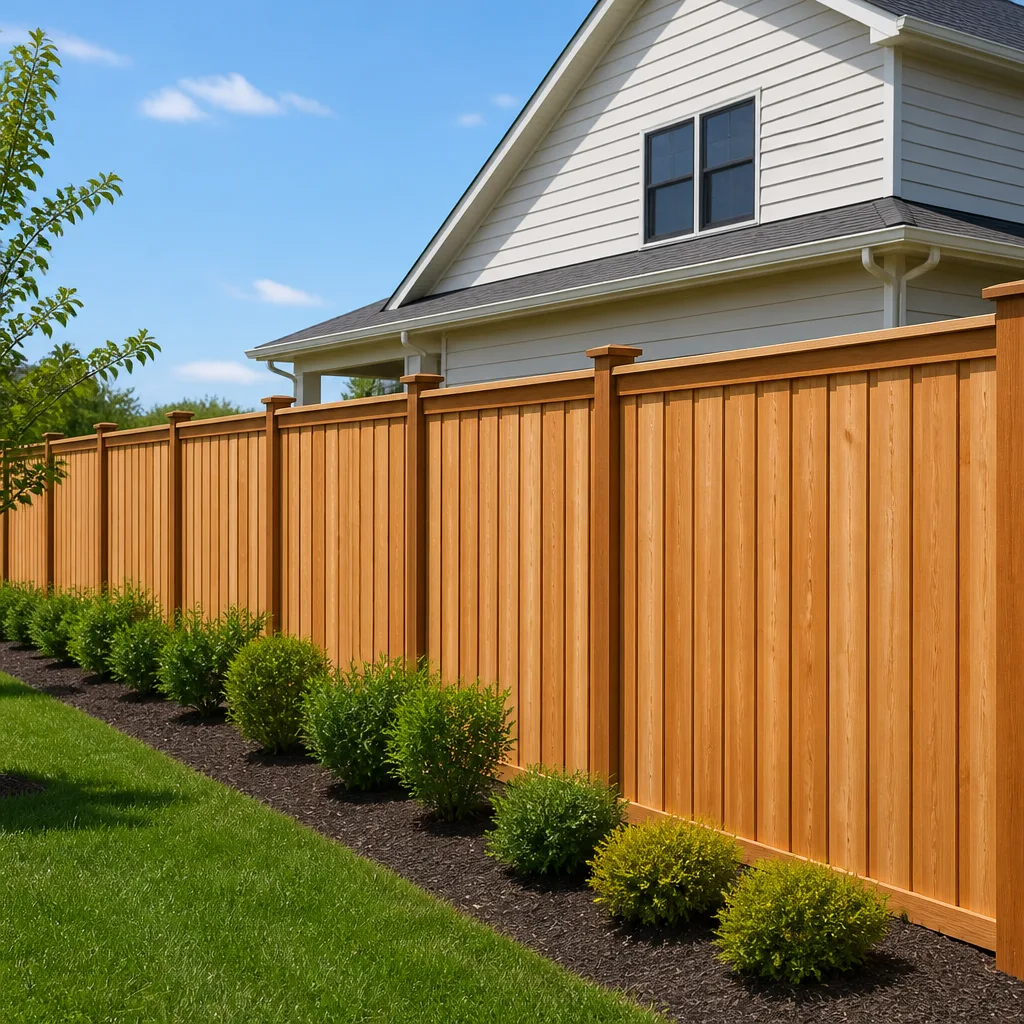 Fence
Free written scope consultation - allowances, timeline, and change-order rules on paper before a single trade is scheduled
The Complete General Contractor Guide for Daly City Homeowners
Daly City sits in one of California’s most challenging micro-climates for construction: persistent marine layer, expansive clay soils, and some of the Bay Area’s steepest residential lots, yet most The Complete Guide to Construction in Daly City alternatives are written as if geography doesn’t exist. This guide fixes that. We’ll walk through how San Mateo County’s permit pipeline actually works, why fog-belt humidity should dictate your siding and window choices, what to look for when you pull a contractor’s license on the CSLB site, and what a realistic phase-by-phase timeline looks like for a Daly City remodel. By the end, you’ll know exactly what you’re buying when you hire a general contractor here, and how to avoid the mistakes that turn a six-month project into a two-year headache.
Styles & brands we work with
Quick Answer
A general contractor in Daly City is the licensed professional who pulls permits, coordinates trades, manages inspections, and carries the legal and financial responsibility for your entire renovation under one contract. The right GC for this specific city knows San Mateo County permit timelines, builds for fog-belt moisture exposure, and offers real material choices rather than whatever happens to be in their warehouse. You can verify any contractor’s license in about five minutes through California’s CSLB website, and you should never sign a contract without doing so first.
Table of Contents
- What a General Contractor Actually Does in Daly City
- Why Daly City’s Climate Changes Material Specs
- How San Mateo County Permitting Affects Your Timeline
- How to Read a Contractor’s License on the CSLB Site
- The Self-Performing GC vs. the Subcontractor Model
- A Phase-by-Phase Project Timeline for Daly City
- How to Budget for a Daly City Renovation
- ADUs and Prefab Construction in Daly City
- Common Mistakes to Avoid
- When to Call a Professional
- Frequently Asked Questions
- The Bottom Line
What a General Contractor Actually Does in Daly City
A general contractor is the single accountable party on a renovation project. That means one license, one contract, one point of contact who coordinates every trade: framing, electrical, plumbing, roofing, windows, drywall, tile, paint, and finish carpentry. When you hire a general contractor in Daly City, you’re hiring someone who takes responsibility for the entire build, not just the part they personally hammer.
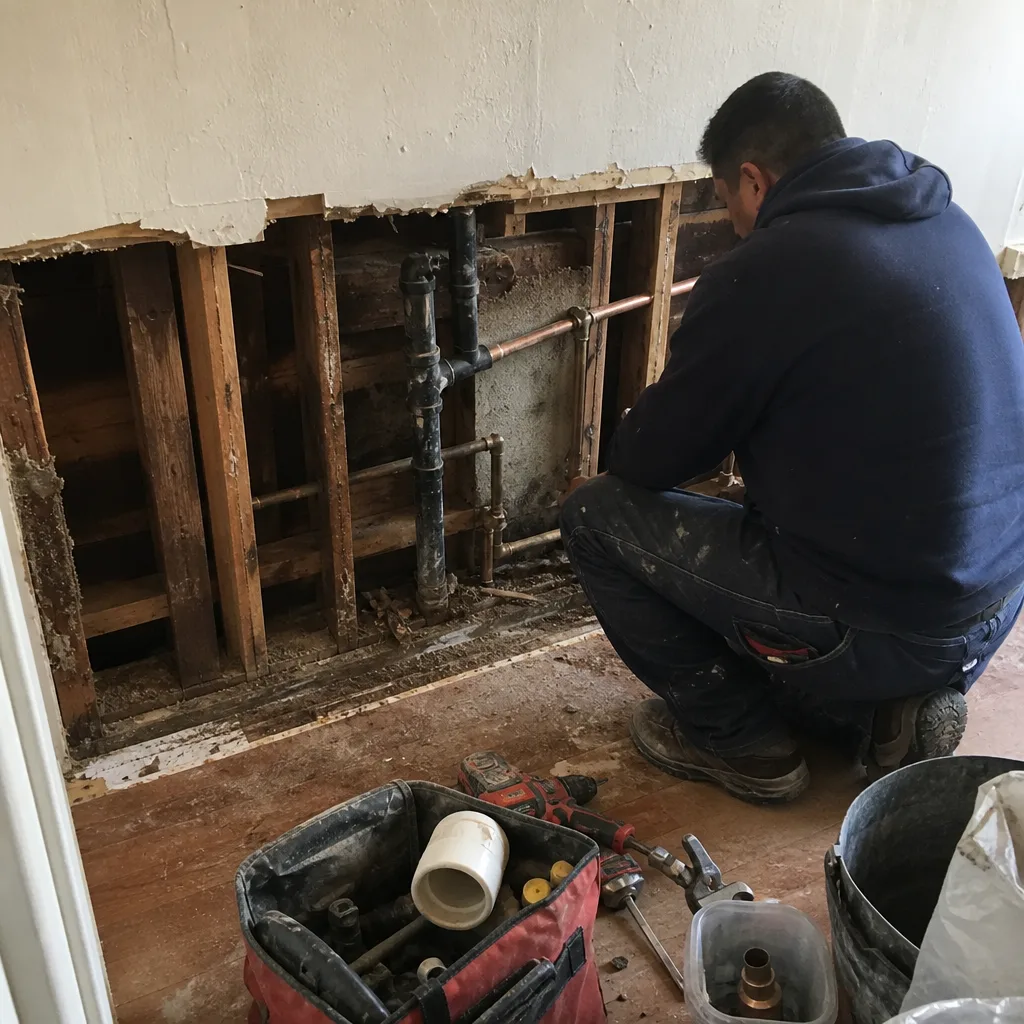
In Daly City specifically, the role carries extra weight because of what the building stock demands. A large share of homes here were built between 1940 and 1970, which means remodels routinely uncover knob-and-tube wiring, cast-iron drain lines, and framing that predates current shear-wall codes. A good general contractor anticipates these discoveries during the bid phase rather than treating them as change-order surprises after demolition starts.
Practically, the general contractor handles:
- Design coordination: translating your scope into buildable plans, whether that means working with an architect or providing in-house design-build services.
- Permit acquisition: submitting plans to San Mateo County or the City of Daly City, scheduling plan checks, and responding to correction comments.
- Trade coordination: sequencing electricians, plumbers, roofers, window installers, and finish trades so nobody’s waiting on anyone else.
- Inspections: scheduling and being present for every required inspection, from foundation to final sign-off.
- Material procurement: ordering everything from framing lumber to kitchen fixtures so that materials arrive when the crew needs them.
- Quality control: catching defects before they get covered by drywall or roofing underlayment.
Our team at Daly City Construction operates on the full-scope model: one contractor, every phase. That means when a homeowner in Westlake or St. Francis Heights wants a kitchen remodel that also involves re-roofing and window replacement, they’re not juggling three separate contracts, three timelines, and three warranties. The person responsible for the tile backsplash is the same person responsible for the roof flashing above it.
The most common question we hear from Daly City homeowners is whether they even need a general contractor or if they can hire trades directly. The honest answer: if your project involves more than two trades, or requires structural work, a permit, or any sequencing of work that must happen in a specific order, you need a general contractor. The cost of coordinating it yourself is measured in delays, code violations, and the expensive silence of subcontractors who don’t answer their phones.
Why Daly City’s Climate Changes Material Specs
Daly City’s fog belt is not a minor footnote; it’s the single most important factor in material selection. The marine layer means exterior surfaces stay damp for months at a time, often 20 to 30 days straight during summer. Wood siding in these conditions swells, retains moisture, and invites dry rot within a few seasons. The correct default for a Daly City exterior is James Hardie fiber-cement siding, which handles persistent moisture without warping or degrading the way wood and even some vinyl sidings do.
In our experience, we’ve seen west-facing walls in Broadmoor and Serramonte with wood siding that had to be replaced within eight years of installation because the fog exposure never let the material fully dry. The homeowners weren’t sold a bad product; they were sold the wrong product for this micro-climate. That’s the difference between a contractor who sources materials from a spreadsheet and one who knows what Daly City’s fog actually does to a building envelope.
Here’s what Daly City humidity means for your material decisions:
- Siding: fiber cement (James Hardie) or engineered wood with factory-applied moisture barriers outperforms natural wood. Avoid raw wood laps on west-facing exposures.
- Windows and doors: frames need to resist condensation and thermal cycling. We specify Therma-Tru exterior doors and fiberglass or vinyl-clad window frames rather than unsealed wood, which absorbs fog moisture and expands.
- Roofing: Daly City’s damp conditions and occasional wind gusts up the hills mean roof underlayment matters as much as the shingle. Synthetic underlayment over felt paper reduces the chance of moisture wicking into the plywood decking. We carry a six-brand roofing portfolio: GAF, CertainTeed, Owens Corning, IKO, Atlas, Tamko, and Boral, and we’ll spec the appropriate system for your exposure, not the brand that happens to be on sale that month.
- Exterior paint and caulking: high-solids acrylic paints with urethane caulks hold up better in the fog than budget latex. The extra cost is marginal; the re-paint cycle is not.
- Decking and hardscaping: untreated pressure-treated lumber on a wet slope will warp within two seasons. Composite decking or sealed pavers perform better in Daly City’s saturated micro-climate.
Material choices that match your project, not our inventory: that’s the operating principle. If a contractor only stocks one siding product, that’s what you’re getting, whether or not it’s right for a fog-belt home. If a contractor can source from a broad portfolio, the conversation shifts to what actually performs on your lot, your exposure, and your budget.
How San Mateo County Permitting Affects Your Timeline
San Mateo County’s permit process is slower and more detail-oriented than many neighboring jurisdictions, and that’s a fact homeowners need to budget for. A simple bathroom remodel in Daly City that requires plumbing and electrical permits can take 4 to 8 weeks from submission to issued permit, depending on the current intake backlog and the completeness of the plans. For comparison, certain East Bay cities routinely issue comparable permits in 2 to 3 weeks. That gap is not your contractor’s fault, but a good contractor absorbs it into the project schedule from day one rather than acting surprised after demo is done.
Here’s the sequence a Daly City homeowner should expect:
- Plan preparation (1 – 4 weeks): depending on scope, this may involve an architect, engineer, or in-house design team.
- Permit submission and intake (1 – 2 weeks): the city reviews the application for completeness before assigning it to a plan checker.
- Plan check and corrections (2 – 6 weeks): the plan checker reviews drawings for code compliance. Expect at least one round of correction comments on any structural project.
- Re-submission and approval (1 – 3 weeks): corrected plans go back for review. For complex projects, this step can repeat.
- Permit issuance and job scheduling (1 – 2 weeks): once the permit is issued, the contractor schedules the first inspection and mobilizes the crew.
A full-scope general contractor absorbs this wait rather than passing delays to the homeowner in the form of idle crews or expensive change orders. When a contractor manages the home remodeling in Daly City from plans to permits, you’re paying for someone who knows the waiting periods, knows which permit technician to call for a status update, and knows how to keep corrections moving instead of letting them sit in a queue.
For larger projects, especially ADUs and additions, San Mateo County also has specific requirements around geotechnical reports, drainage plans, and fire-safety reviews that simply don’t exist in many other Bay Area counties. A contractor who has navigated five ADU permits through Daly City’s planning department knows what triggers the extra review and can preempt the delays in the initial submittal.
How to Read a Contractor’s License on the CSLB Site
Every legitimate general contractor in California carries an active license through the Contractors State License Board, and you can verify any contractor in about five minutes. Go to the CSLB’s license lookup tool and enter the contractor’s name or license number. What you’re looking for goes beyond just “active.”
Here’s how to read the results:
- License classification: a general contractor holds a Class B (General Building Contractor). This classification permits them to coordinate and contract for multiple trades: framing, roofing, windows, doors, and finishing work. But Class B does not cover electrical, plumbing, or HVAC work; those are separate C-classifications (C-10 for electrical, C-36 for plumbing). A full-scope general contractor will have the sub-trades listed on their record as active classifications or will use licensed subcontractors for those scopes. Ask to see which.
- Worker’s compensation insurance: the CSLB record shows whether the contractor carries workers’ comp. A contractor without it who has employees is violating the law, and you, the homeowner, can be held liable if a worker is injured on your property.
- Bond status: every licensed contractor must post a $25,000 contractor’s bond. This bond protects you if the contractor abandons the project or violates licensing law. It does not cover workmanship; that’s what warranties are for.
- Complaint history: the CSLB record shows any public legal actions, license suspensions, or complaints filed against the contractor. A clean record isn’t everything, but a record full of disputes is a signal to walk away.
- Business entity: check that the name on the license matches the name on your contract. If a contractor asks to be paid under a different name than the one on the CSLB record, stop and ask questions.
Daly City homeowners asking us about license verification should know that we encourage every client to pull our record and verify our Class B standing before signing anything. Any contractor who gets defensive about a license lookup is doing you a favor by telling you to keep looking. A transparent contractor hands you the license number and tells you to check it.
The Self-Performing GC vs. the Subcontractor Model
Many general contractors operate as pure project managers: they sign the contract, then hand every trade to separate subcontractors and their role becomes scheduling and billing. That model works fine on open lots with generous staging space. On Daly City’s dense residential lots, where single-family homes sit close together and access is often limited to a narrow driveway or alley, hand-offs between multiple separate crews create friction: the roofer finishes late, the stucco subcontractor pushes back, the window crew shows up on the wrong day, and the homeowner is the one who lives with the disarray.
The alternative is a general contractor that self-performs key scopes rather than subbing everything out. When the same crew that handles framing also handles the window installation and the siding, the transition happens without a contract hand-off. Fewer separate companies on the job means fewer miscommunications, fewer schedule gaps, and fewer competing claims about whose fault the delay is.
In practical terms for a Daly City homeowner, the self-performing model looks like this:
- One crew manages the project from demolition through rough-in, so the foreman walking the site on day one is the same person walking it at final inspection.
- Material deliveries happen once per phase, not once per trade, which matters when you’re trying to stage materials on a sloped lot with no laydown area.
- Trim, paint, and punch-list items get resolved by the same team that did the work, without a separate contractor returning weeks later.
- Responsibility is clear: there’s no looping between “that’s the electrician’s fault” and “that’s the framer’s problem.”
This is the model we run at Daly City Construction. It’s not the cheapest way to operate a contracting business, but it produces better outcomes on the kinds of projects Daly City’s housing stock demands.
A Phase-by-Phase Project Timeline for Daly City
Understanding the real timeline of a Daly City renovation prevents most of the frustration homeowners experience. Contractors who quote you a three-week kitchen remodel are either lying or leaving out the permit and material-lead-time phases. Here’s what a medium-scope project, say a kitchen and bath remodel with window replacement, realistically looks like:
- Initial consultation and scope definition (Week 1): walk the project, measure, discuss goals, and establish a budget range. This is free with most reputable contractors.
- Design and material selection (Weeks 2 – 5): drawings are prepared, materials selected from the contractor’s brand portfolio, and specifications finalized. This is where choosing a contractor with real material options pays off: you might compare Cambria or Caesarstone countertops, Kohler or Grohe fixtures, without leaving the contractor’s showroom or making a separate trip.
- Permit submission and review (Weeks 5 – 11): plans go to San Mateo County or the City of Daly City. Expect at least one round of corrections.
- Permit issuance and material ordering (Weeks 11 – 13): once the permit is approved, long-lead items like custom cabinets, windows, and countertops are ordered. This step often overlaps with the permit review.
- Demolition and rough-in (Weeks 13 – 17): demo happens, then framing, plumbing, electrical, and HVAC rough-in are completed and inspected.
- Enclosure and finishes (Weeks 17 – 22): drywall, tile, paint, cabinetry, countertops, and fixtures go in. Inspections happen after each major sub-phase.
- Final inspection and punch list (Weeks 22 – 24): the city conducts the final inspection, and any remaining touch-up items are completed.
For a full home renovation in Daly City that includes exterior work like roofing or siding, add 2 to 4 weeks. For an ADU, add 8 to 16 weeks for the additional permitting and structural review that accessory dwelling units require in San Mateo County.
You’ll notice that permits and materials take up roughly half of the total timeline. That’s normal. The contractor who wants to start demo the week after you sign is cutting corners somewhere, and the permit inspector’s first visit will reveal it.
How to Budget for a Daly City Renovation
Daly City renovation costs reflect Bay Area labor rates, San Mateo County permit fees, and the structural surprises common to mid-century housing stock. For a detailed look at pricing, see our Construction Cost Breakdown: The Daly City Homeowner’s Reference for 2026; here are the budgeting principles that apply across every project type:
- Labor is the largest line item: in the Bay Area, skilled trades command top rates. Materials, by comparison, are a smaller share than homeowners typically expect.
- Material choices swing the budget dramatically: the same-size kitchen can be built with KraftMaid cabinets or custom millwork; with American Standard plumbing fixtures or Toto and Grohe. Both are legitimate choices. The right contractor presents options across every budget tier instead of bidding only the most expensive line.
- Permit fees are non-negotiable: San Mateo County and Daly City charge for plan checks, inspections, and impact fees. A contractor who suggests skipping the permit is proposing something that can void your homeowners insurance and complicate a future sale.
- Contingency is not optional: on a mid-century Daly City home, plan for 10 to 15 percent of the project cost in contingency for conditions you cannot see until walls are opened: termite damage, outdated wiring, foundation settling, or cast-iron drain failure.
- The cheapest bid is rarely the cheapest project: if one bid comes in dramatically lower than the others, the contractor is either omitting scope or planning to make up the difference in change orders. A written, line-item quote that you can compare across bids is the single best tool for avoiding this.
We write line-item estimates for every project in Daly City, and we encourage homeowners to take that bid to a competitor and compare. If the other contractor won’t provide the same level of detail, that tells you something about how they’ll operate once the project starts.
ADUs and Prefab Construction in Daly City
Accessory dwelling units represent one of the most financially sensible projects a Daly City homeowner can undertake, particularly on lots with underused side yards or detached garage footprints. San Mateo County has adopted ADU-friendly policies in recent years, but the process still requires navigating planning review, fire compliance, and utility connection requirements that a standard remodel doesn’t trigger.
Here’s what’s different about ADUs in Daly City:
- Planning review is separate from building permit review: ADUs trigger both, which adds 4 to 8 weeks to the permitting timeline compared to a comparable interior remodel.
- Setback and height rules are stricter than you might expect: Daly City’s dense lots mean ADU placement depends on existing structures, easements, and fire access routes. A contractor who has sited ADUs in the city knows what’s approvable before drawings are submitted.
- Prefab options can shorten the construction phase: we work with ADU brands including Abodu, Dvele, Mighty Buildings, Boxabl, and Plant Prefab. These units arrive as manufactured structures, which cuts on-site framing time significantly. The site work, foundation, and utility connections still require a licensed general contractor.
- Rental income changes the math: a well-built 400-square-foot ADU in Daly City rents for a healthy premium given Bay Area housing demand. The right ADU isn’t just added living space; it’s a legitimate long-term investment that a full-scope contractor can integrate into the property without disrupting the main house.
Not every general contractor in Daly City is equipped to deliver a prefab ADU installation. It’s not a standard remodel; it requires experience with manufactured structures, crane or tilt-up placement, and utility stub-up coordination. If you’re considering an ADU, ask a contractor directly how many prefab ADUs they’ve installed in San Mateo County and whether they’re licensed to handle the site work, not just the finish-out.
Common Mistakes to Avoid
- Hiring based on price alone: the lowest bid in Daly City is almost always missing scope or contingency. You’ll pay for it later in change orders, and the contractor skill level that comes with bargain pricing will show up in the finish work.
- Skipping permit verification: ask to see the actual permit from San Mateo County, not just a copy of the application. A contractor who’s “working on getting the permit” while demo is already started is a red flag.
- Choosing materials for the wrong climate: wood siding and unsealed window frames look beautiful in catalogs, but Daly City’s fog will punish them within a few years. Build for the marine layer, not for the photograph.
- Not asking about warranty structure: get in writing who covers what and for how long. Does the contractor provide a workmanship warranty on top of manufacturer warranties? If not, keep asking.
- Assuming any contractor handles all trades: many “remodelers” in Daly City actually only handle kitchens or baths, then sub out everything else. If your project involves multiple scopes, like roofing and windows plus interior finishes, hire a multi-trade general contractor who does it all under one license.
- Ignoring the permit timeline: if you need a project done by a specific date, work backward from that date including the San Mateo County permit review period. Most frustration we see comes not from slow construction but from homeowners who didn’t know the permit process takes two months before work starts.
When to Call a Professional
You should call a general contractor when your project involves structural changes, multiple trades, or any work requiring permits. That includes kitchen remodels, bath overhauls, room additions, re-roofing, siding replacement, window and door swaps, hardscaping with drainage implications, and any ADU or prefab structure. If you’re uncertain whether your project needs a permit in Daly City, call a contractor and ask; most will tell you honestly whether the scope is simple enough to handle directly or complex enough to need professional management. Daly City Construction offers free estimates in Daly City, call (866) 505-5254.
Frequently Asked Questions
A kitchen remodel in Daly City typically takes 4 to 6 months from first consultation to final inspection, with about half of that time spent on design, permit review, and material ordering before any demolition begins.
Yes, any bathroom remodel that changes plumbing, electrical, or structural framing requires a permit from the City of Daly City or San Mateo County. Even a cosmetic refresh that moves a sink or adds an outlet triggers the requirement.
A Class B license covers general building contracting, including framing, roofing, windows, doors, and finish work. A Class C license covers a specific trade, like plumbing (C-36) or electrical (C-10), and cannot legally contract for the entire project.
Budget 10 to 15 percent of the total project cost for contingency. Daly City’s mid-century housing stock routinely reveals termite damage, outdated wiring, or plumbing issues once walls are opened, and you want money set aside so the project doesn’t stall.
A full-scope general contractor can, yes. Many remodelers only handle interior scopes and refer exterior work out, but the multi-trade model means the same contractor handles the roof, windows, siding, and interior finishes under one contract and one license.
Prefab ADUs are permitted in Daly City and San Mateo County, provided the unit meets the same planning and building code requirements as a site-built ADU. The prefab construction method can shorten on-site build time, but the permitting process and site work remain the same.
The Bottom Line
Hiring a general contractor in Daly City is a significant financial decision, and the difference between a good project and a painful one comes down to how well the contractor understands this specific city: the fog-belt climate, the San Mateo County permit pipeline, the dense lots, and the mid-century housing stock. The right contractor verifies cleanly on the CSLB site, builds with materials that hold up in the marine layer, self-performs enough trades to keep communication tight, and presents material choices honestly without pushing you toward whatever’s most profitable for them. We’ve seen scores of Daly City projects succeed because the contractor was chosen deliberately, and just as many struggle because the decision was made on price alone. For more guides & resources, explore our blog. Call (866) 505-5254 or reach out to schedule a free estimate, and you’ll get a clear, line-by-line look at what your project needs and what it will take to build it right.
Written by the team at Daly City Construction, serving Daly City since 2013.
See the difference
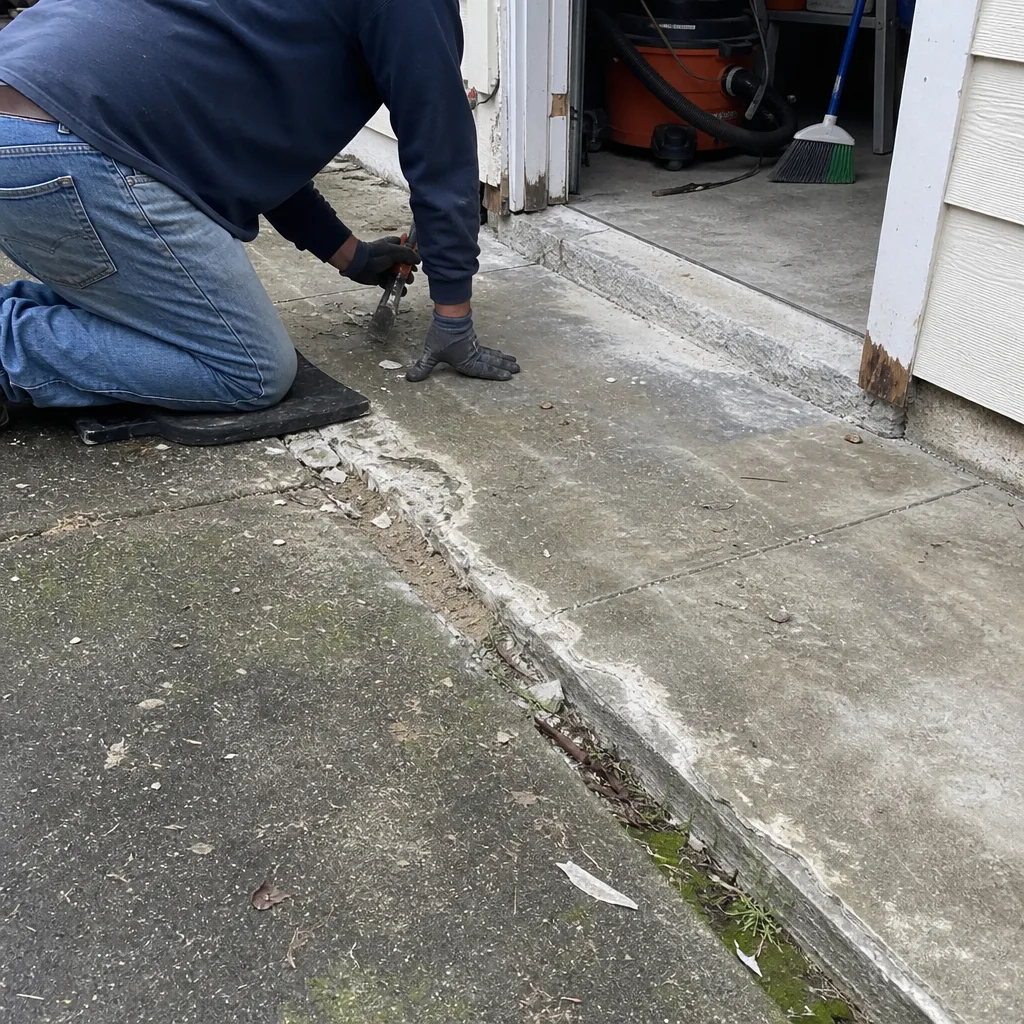 Before
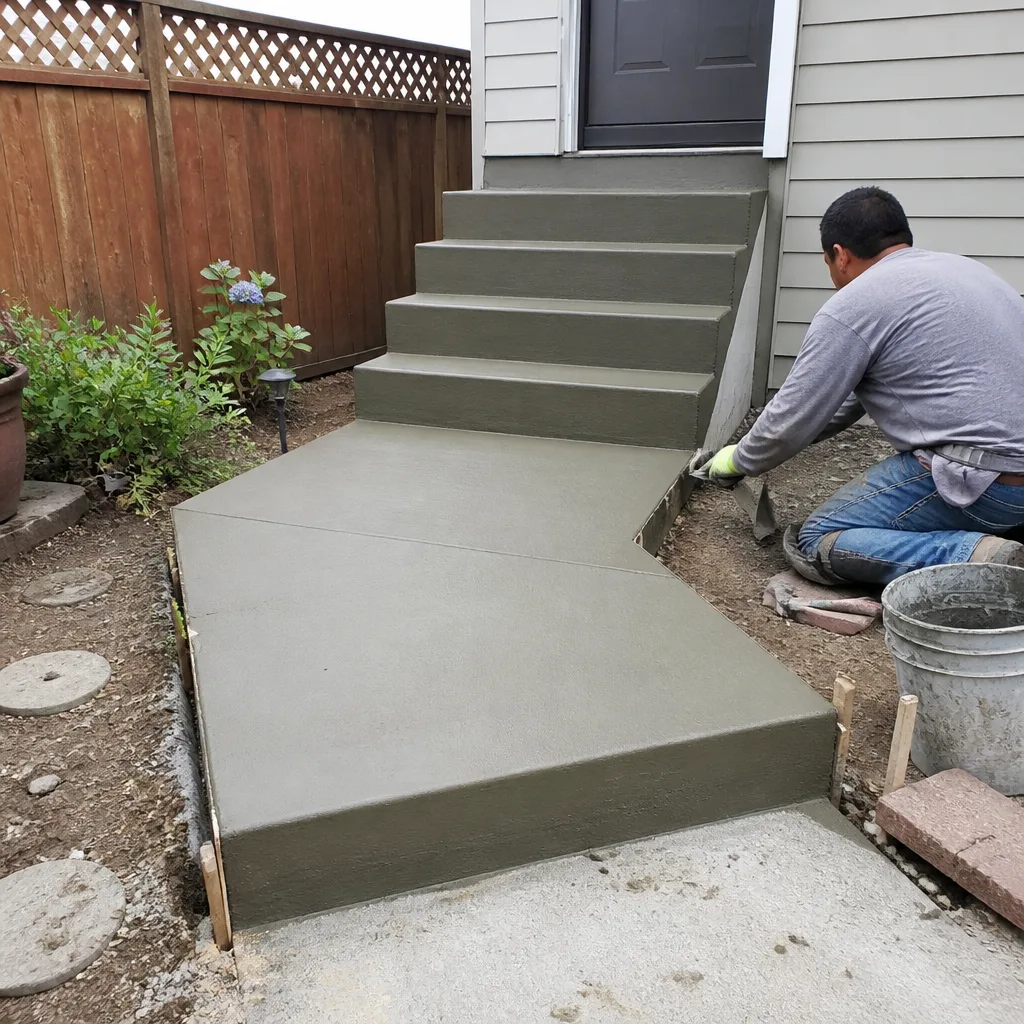 After
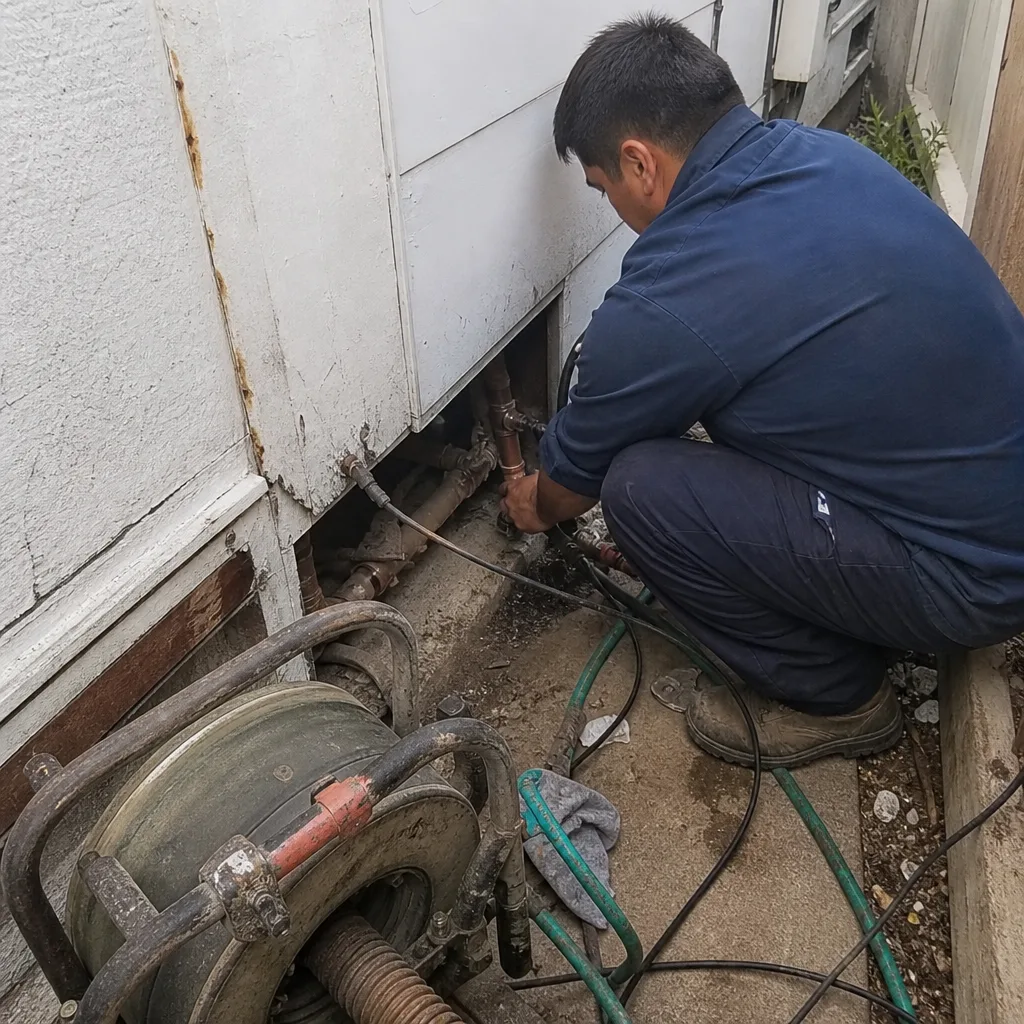 Before
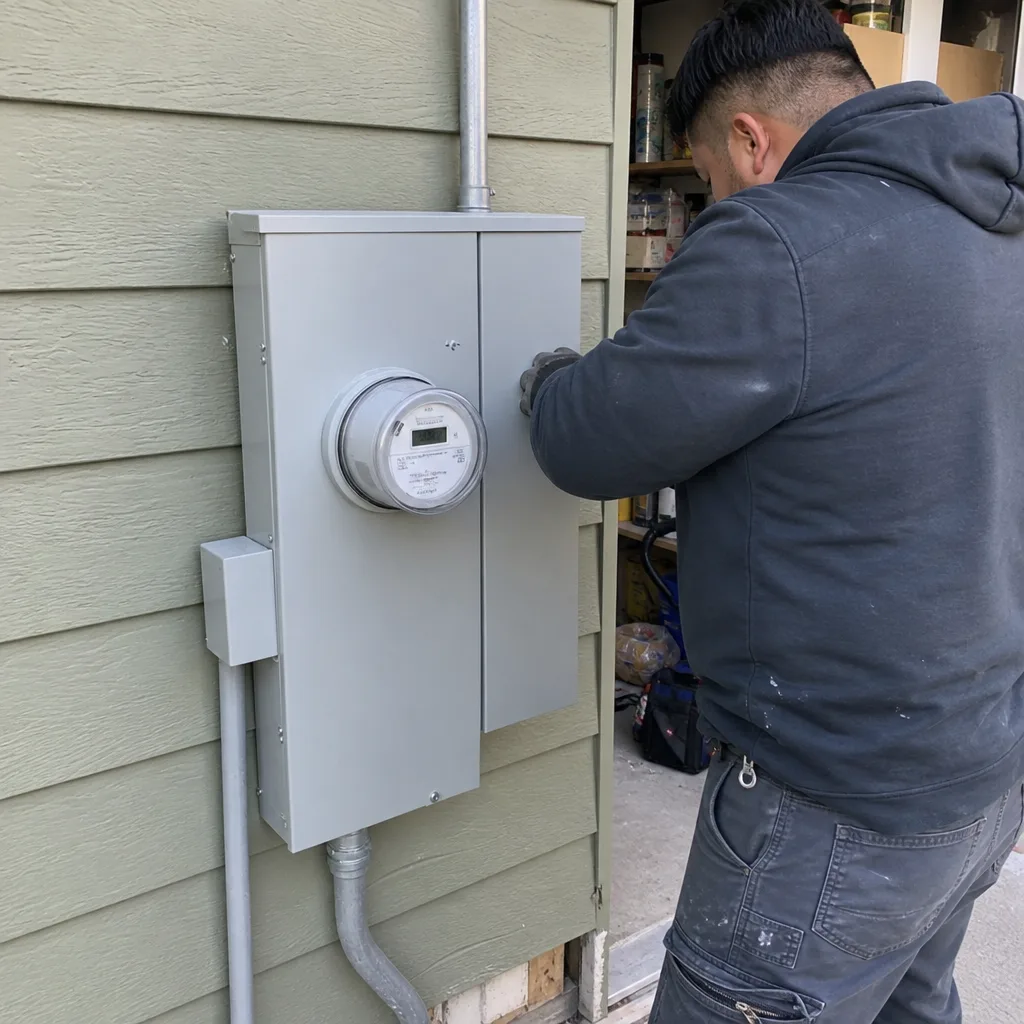 After
 Before
 After