
Last updated October 31, 2026
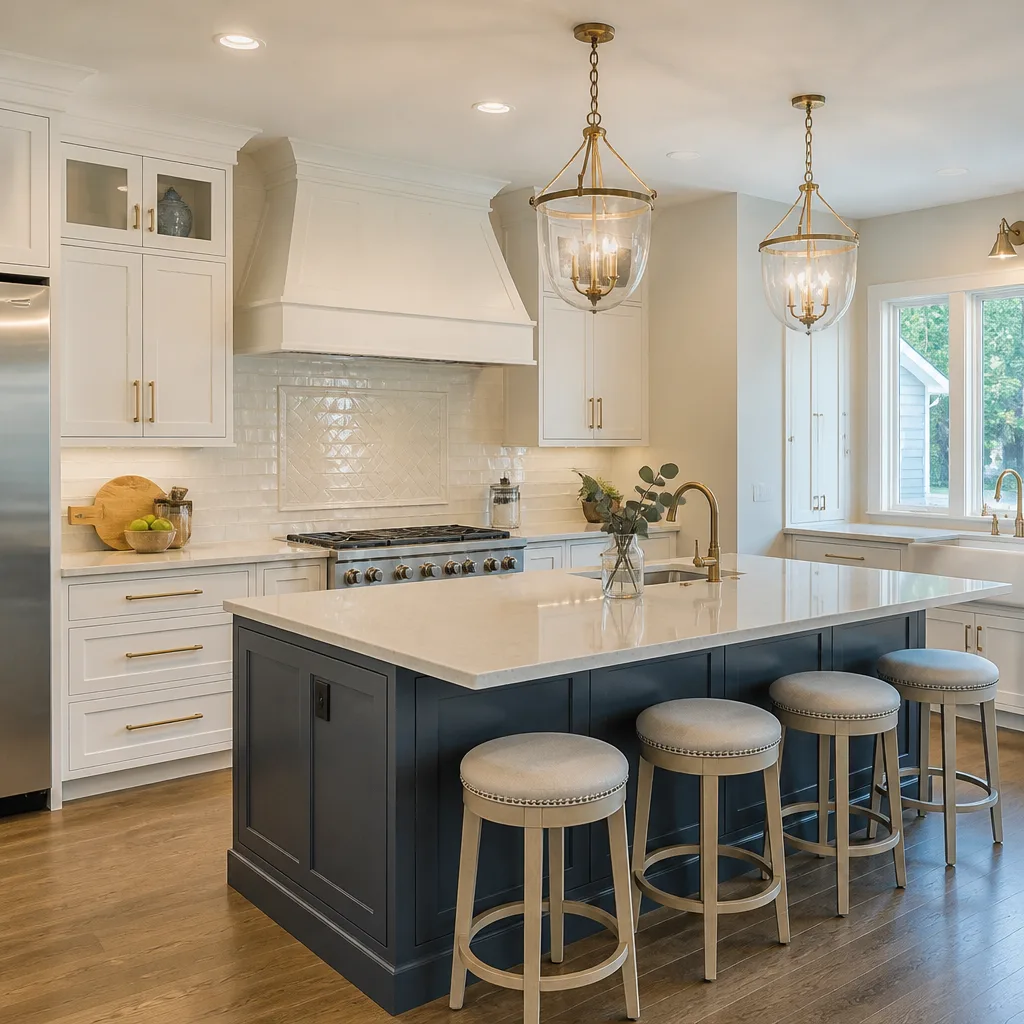 Kitchen remodeling
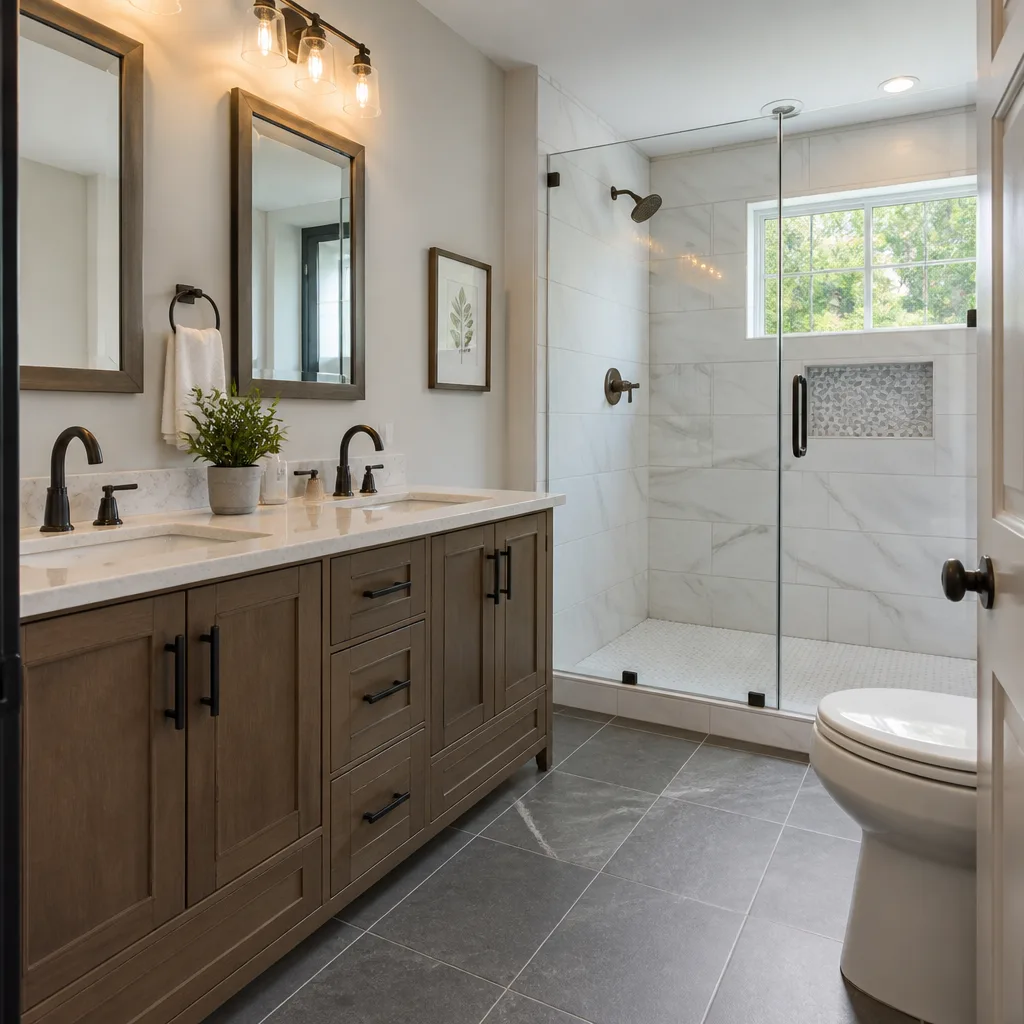 Bathroom remodeling
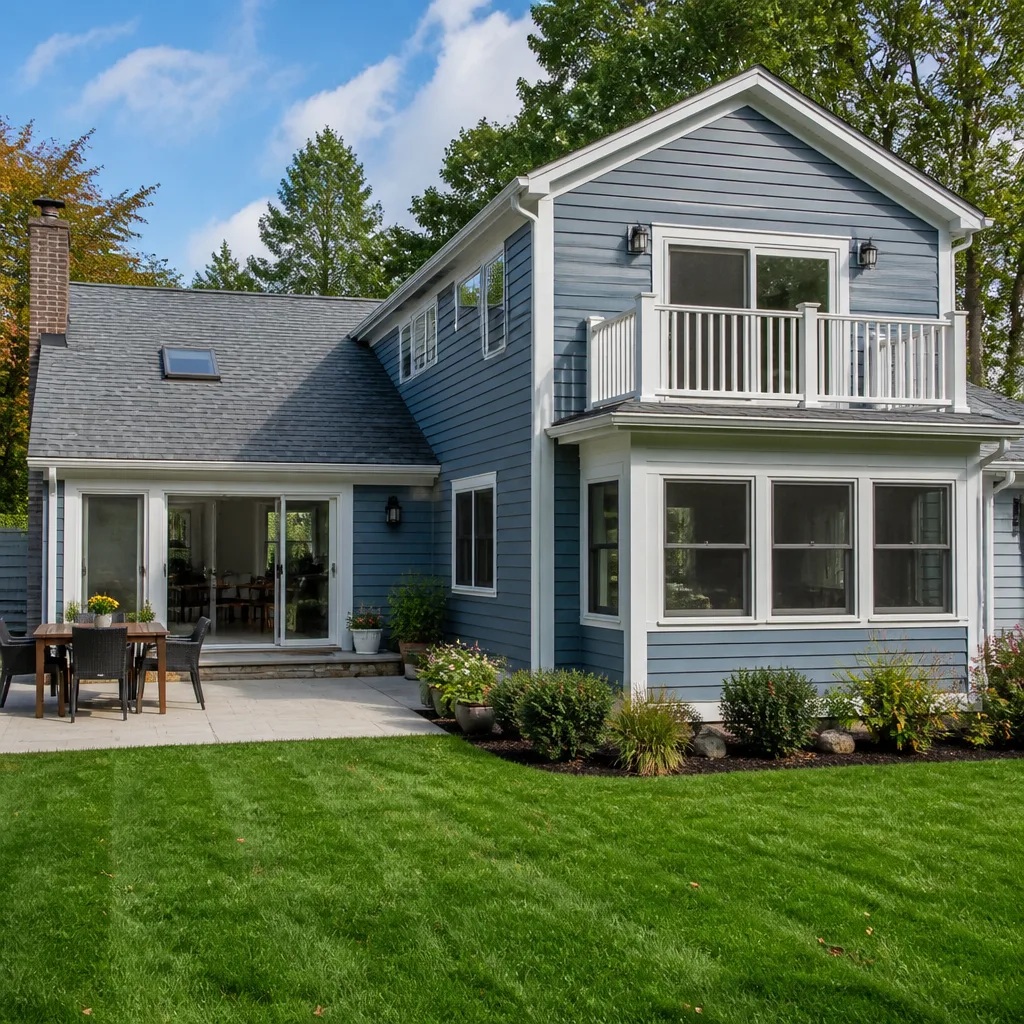 Home additions & ADU
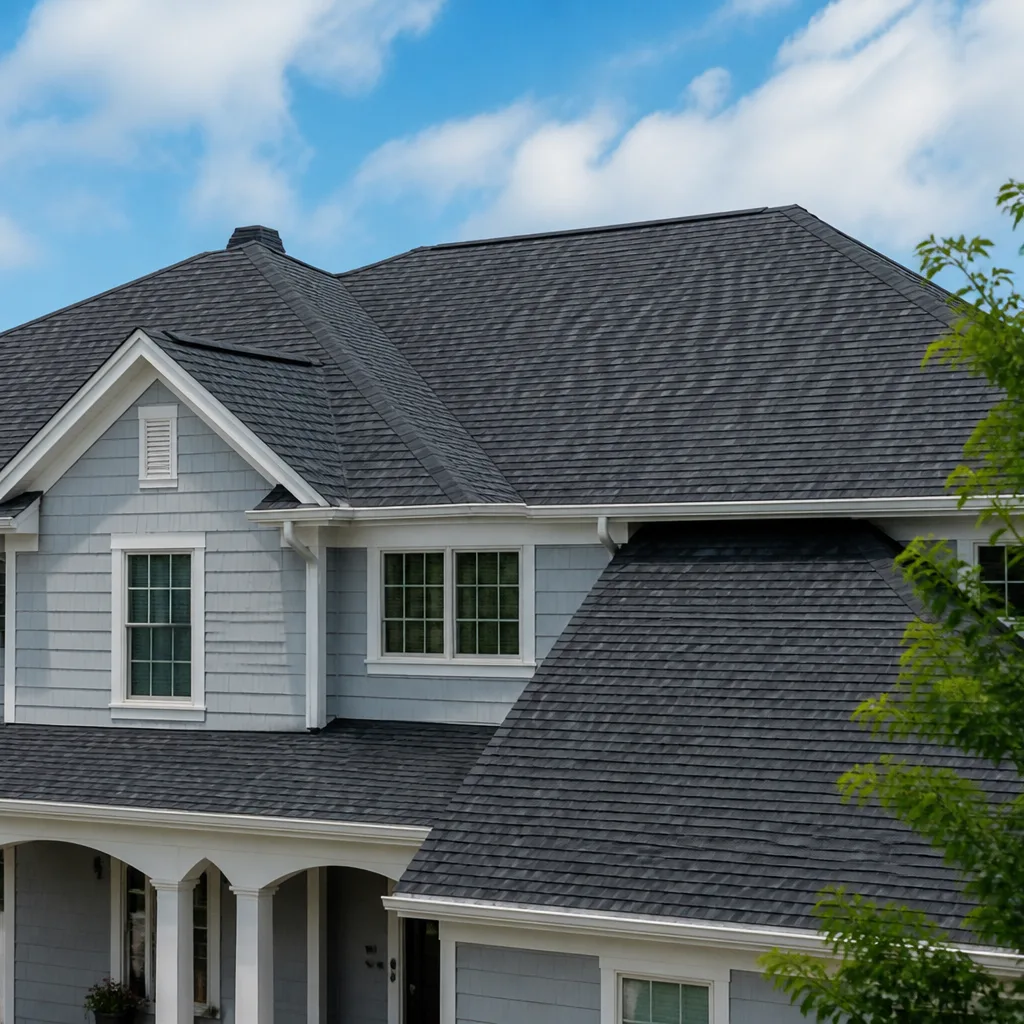 Roofing
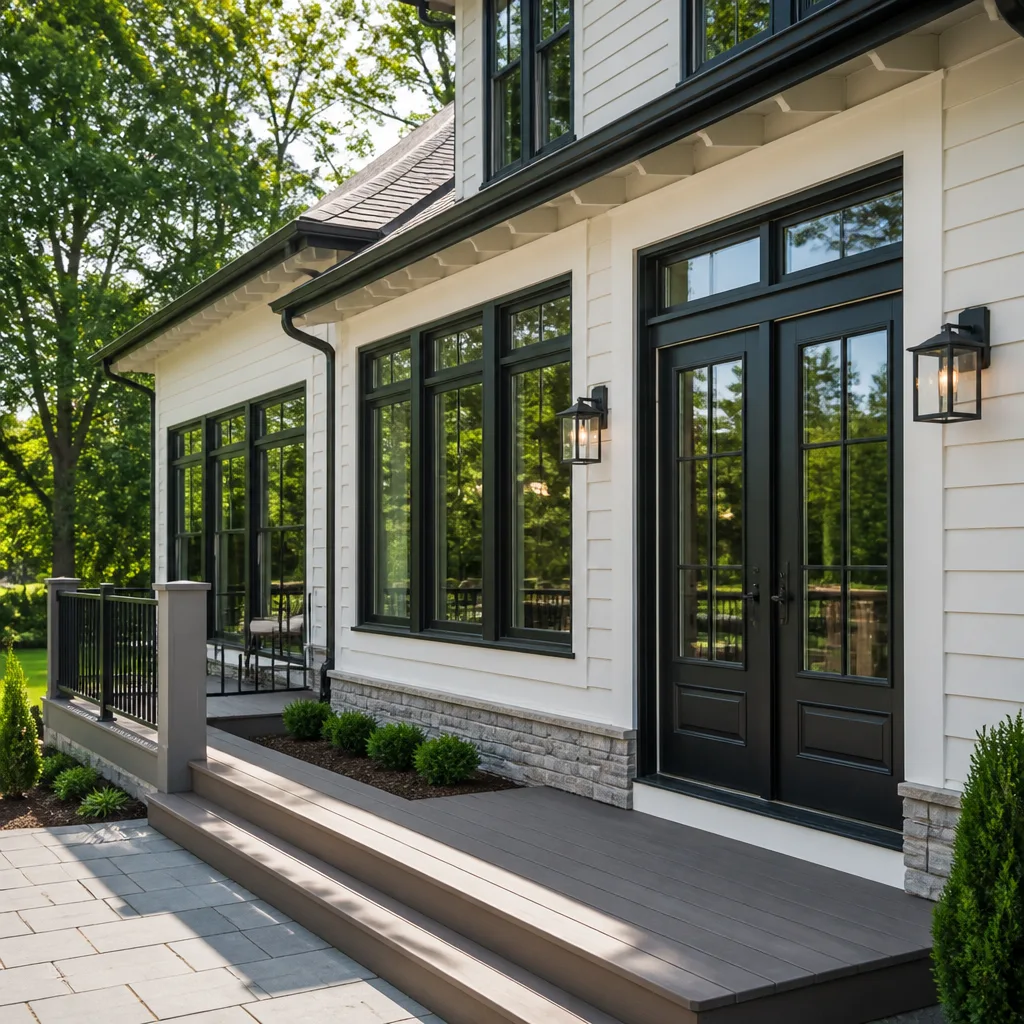 Windows & doors
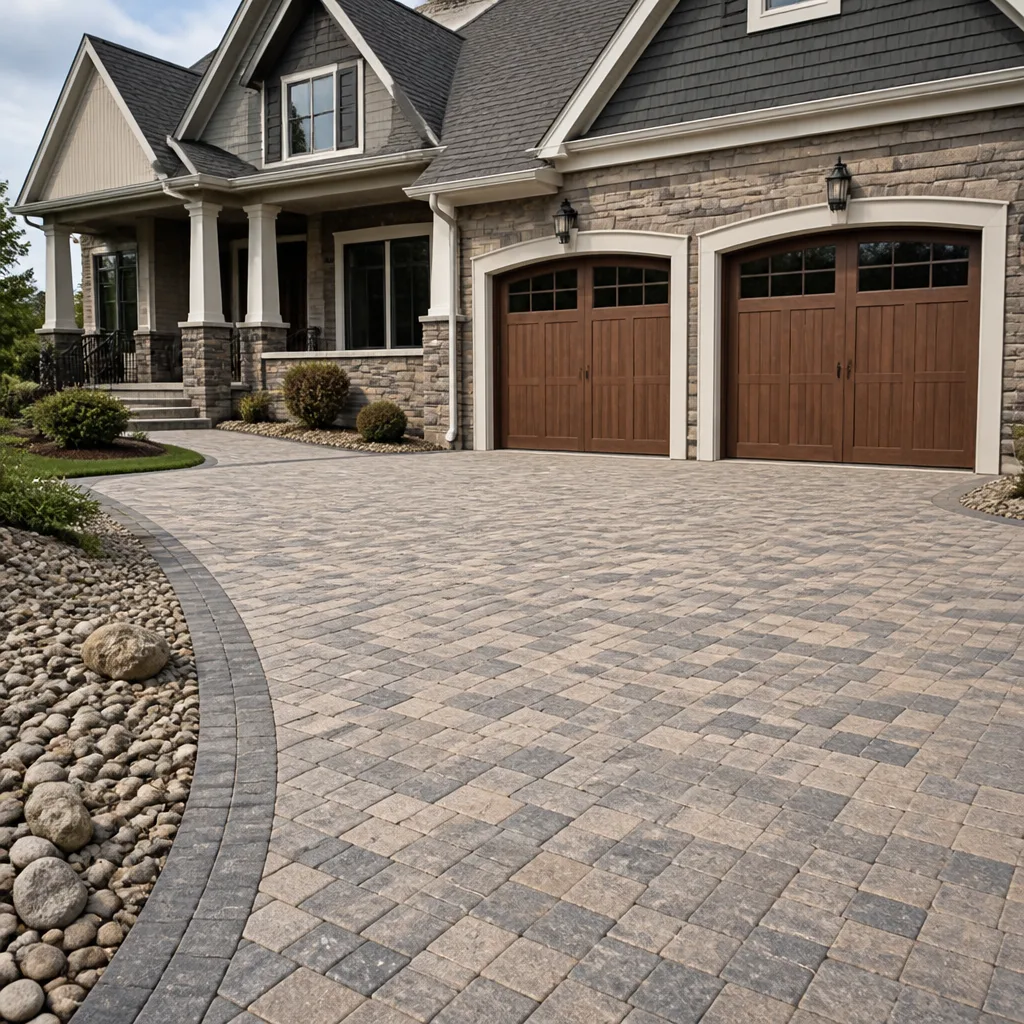 Driveway & pavers
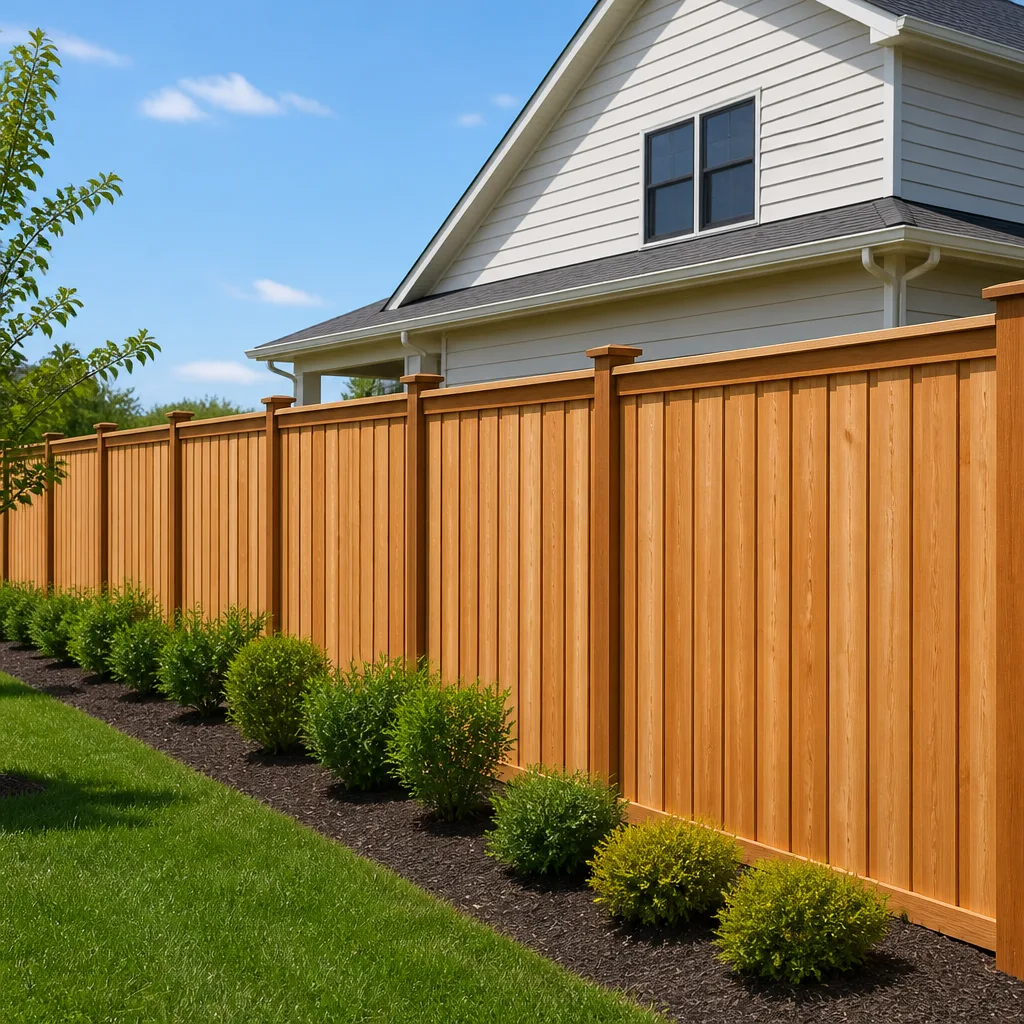 Fence
Free written scope consultation - allowances, timeline, and change-order rules on paper before a single trade is scheduled
Choosing the Right Construction Brand: A Buyer’s Guide for Daly City
Here’s a truth most homeowners in Daly City don’t hear until after they’ve signed a contract: the roofing brand a contractor pushes hardest is often the one paying the highest installer rebate that quarter, not the one engineered for 60% annual cloud cover and salt-heavy air rolling off the Pacific. We’ve sat across kitchen tables in Westlake, St. Francis Heights, and the Southern Hills where that exact dynamic played out and cost homeowners years of premature wear. This guide—along with our Complete Guide to Construction in Daly City—gives you a decision framework for evaluating construction material brands the way a general contractor actually does: by warranty language, regional distribution, climate performance, and resale recognition. Before you talk to any rep or compare any bid, you’ll know which questions separate a genuine material recommendation from a sales quota.
Styles & brands we work with
Quick Answer
Choosing the right construction brand in Daly City means matching a manufacturer’s warranty terms, moisture resistance, and wind ratings to this specific coastal microclimate, then balancing those specs against your budget tier and resale timeline. The best brand isn’t the most advertised; it’s the one whose performance claims hold up under Daly City’s fog, salt air, and building code requirements. Work with a contractor who carries multiple brands per category so material selection follows your project needs, not their inventory. See our Complete General Contractor Guide for Daly City Homeowners for more on vetting contractors.
Table of Contents
- Why Warranty Language Matters More Than Brand Logos
- Contractor Brand Relationships vs. Manufacturer Authorized Dealer Status
- Category-by-Category Brand Considerations for Daly City
- How Access to 50+ Brands Changes Your Decision
- What Brand Selection Signals to Future Buyers in Daly City
- A Step-by-Step Brand Evaluation Process
- Common Mistakes to Avoid
- When to Call a Professional
- Frequently Asked Questions
- The Bottom Line
Why Warranty Language Matters More Than Brand Logos
A manufacturer’s warranty is a legal document, not a marketing brochure. The difference between a 30-year “lifetime” shingle and a 50-year “lifetime” shingle is usually the fine print: proration schedules, labor coverage windows, and the specific exclusions that let manufacturers deny claims. For Daly City homeowners, three warranty clauses matter more than any brand name on the packaging.
First, wind ratings. Daly City sits in a coastal wind zone that regularly sees sustained gusts off the Pacific, particularly in the hills above BART and along Skyline Boulevard. The standard shingle warranty covers 60 mph winds; premium lines from GAF and CertainTeed extend that to 110 or 130 mph. If your warranty only covers 60 mph and a winter storm tears shingles at 75 mph, the manufacturer’s position is that the installation failed, not the product. That single clause determines whether a roofing brand is actually suited for Daly City or just popular elsewhere.
Second, algae resistance. The persistent moisture and shade from Daly City’s fog pattern creates ideal conditions for the blue-green algae that leaves black streaks on roofs across the Peninsula. Entry-level shingles from IKO and Tamko include limited algae warranties, usually 10 years. Premium lines from Owens Corning and GAF use copper-infused granules with 25-year algae warranties. The difference is visible within five years on north-facing roof planes.
Third, moisture infiltration clauses. Fiber-cement siding manufacturers like James Hardie offer warranties only when the product is installed with their specified rainscreen and flashing details. A homeowner who chooses Hardie siding but lets a contractor skip the rainscreen has voided the warranty before the first winter fog rolls in. The brand promise means nothing if the installation protocol isn’t followed to the manufacturer’s spec.
Contractor Brand Relationships vs. Manufacturer Authorized Dealer Status
Not all brand affiliations are created equal. Contractors build two types of manufacturer relationships: volume pricing agreements and installer certifications. Homeowners need to understand the distinction because only one of them protects the project.
A volume pricing agreement is exactly what it sounds like: the contractor buys enough product from one manufacturer to receive discounted per-unit pricing. That’s a business arrangement. It doesn’t require training, testing, or any proof that the contractor installs the product correctly. When a contractor pushes one brand hard, it’s often because that brand’s rebate schedule is the most generous that quarter, not because the product outperforms alternatives.
Manufacturer authorized dealer status, by contrast, is earned through training and ongoing certification. Owens Corning, for instance, offers a Preferred Contractor designation that requires documented installation credentials. GAF has a Master Elite program with specific training benchmarks. These designations matter because they often trigger enhanced warranty coverage: GAF’s Golden Pledge warranty is only available through Master Elite contractors, and it includes 25-year workmanship coverage versus the standard 10-year material-only coverage. When you work with a General Contractor in Daly City who carries manufacturer certifications across multiple brands, you’re getting warranty depth that a volume-discount relationship doesn’t provide.
The homeowner-protection test is simple: ask the contractor to show you their manufacturer certifications in writing. If they can’t produce them, the “authorized dealer” claim is just a sales line.
Category-by-Category Brand Considerations for Daly City
Different materials perform differently in Daly City’s marine microclimate. Here’s what matters within each major renovation category, with the performance trade-offs we see daily across projects in this city. For detailed cost planning, see our Construction Cost Breakdown: The Daly City Homeowner’s Reference for 2026.
Roofing: Shingles vs. Metal vs. Composite
Asphalt shingles dominate Daly City residential roofing because of cost and ease of installation. Within shingles, the meaningful distinction is the granule blend and wind rating. GAF Timberline HDZ and CertainTeed Landmark are the workhorse premium lines with strong algae resistance and 110+ mph wind ratings. Owens Corning Duration uses a proprietary fabric that prevents nail pull-through in high wind. The value tier includes IKO Cambridge and Tamko Heritage, both functional but with shorter algae warranties and no manufacturer-backed workmanship upgrade path. Metal roofing, primarily standing-seam steel from brands like Boral, performs better than shingles in salt air and fog but costs two to three times more installed. For homeowners planning to stay in the house 20+ years, metal’s 50-year service life often beats shingle replacement cycles on pure math.
Windows: Vinyl vs. Fiberglass vs. Wood-Clad
Coastal Daly City homes face a specific window challenge: salty fog that corrodes metal hardware and wood frames. Vinyl windows from brands like Milgard resist corrosion well but expand and contract with temperature swings, and Daly City’s mild-but-unstable temperatures can cause seal failure over time. Fiberglass windows, including lines from Marvin, offer superior dimensional stability and salt-air resistance because the frame and glass expand at nearly identical rates. Wood-clad windows with aluminum exteriors perform well but only if the aluminum cladding is properly sealed; improperly flashed clad windows in St. Francis Heights and Westlake routinely show water intrusion within a decade. The window brand decision in Daly City is fundamentally a frame material decision. The glass package matters less than the frame’s ability to handle moisture without warping or corroding.
Siding: Fiber Cement vs. Engineered Wood vs. Vinyl
James Hardie fiber-cement siding is the default premium choice for Daly City, and for good reason: it doesn’t rot, it doesn’t warp, and Termites don’t eat it. The trade-off is installation complexity; Hardie’s warranty requires specific gap tolerances and flashing details that many contractors skip. Engineered wood siding from LP SmartSide is lighter and easier to install but carries inherent moisture sensitivity that Daly City’s fog amplifies. Vinyl siding, while cheap, is a poor fit for coastal wind zones because panels can detach in high gusts. In our experience, when homeowners in Daly City replace siding, fiber cement is the right call for any house that sees regular fog exposure, which is almost every house west of 280.
Fencing: Metal vs. Vinyl vs. Cedar
Daly City’s salt air is unforgiving to wooden fencing. Cedar fences in the Southern Hills and Broadmoor typically show post rot within eight to ten years regardless of treatment. Powder-coated aluminum fencing from manufacturers like Jerith performs far better in coastal conditions: no rust, no rot, no repainting, and a 20-year finish warranty. Vinyl fencing systems from Bufftech or ActiveYards are another strong option, holding color and structural integrity through fog cycles, though they can become brittle in the rare heat spikes Daly City sees in September. The brand decision here is less about the name and more about the material system each brand engineers for coastal environments.
Countertops: Quartz vs. Natural Stone vs. Porcelain
For kitchen and bath renovation, countertop brand selection is driven by two Daly City realities: high humidity and earthquakes. Quartz slabs from Cambria and Caesarstone are non-porous, which makes them ideal for Daly City’s moisture-heavy air; natural stone like marble absorbs ambient moisture and stains without constant sealing. Both Cambria and Caesarstone offer lifetime warranties, but the coverage differs: Cambria covers the original homeowner only, while Caesarstone’s coverage is non-transferable under specific purchase conditions. For resale planning, Cambria carries stronger brand recognition among Bay Area buyers. Porcelain slabs are gaining traction for their lighter weight and heat resistance, a meaningful advantage in earthquake country where every extra pound on a cantilevered island matters.
Fixtures: Premium vs. Value Tier
Plumbing fixtures are where Daly City homeowners feel the brand decision most directly: a failing fixture is a daily annoyance, not a five-year problem. Kohler and Grohe sit at the premium end, with ceramic disc valves and lifetime finish warranties that hold up in hard water and high-humidity bathrooms. Toto dominates the toilet category with superior flush engineering and widely available service parts. American Standard and Delta offer value-tier options that work well but carry shorter finish warranties. The Daly City consideration is water quality: the city’s water is moderately hard, which accelerates mineral buildup on cheap fixtures. Spending more on the fixture brand is often cheaper than replacing a value-tier fixture three times in a decade.
Patio Hardscaping: Pavers vs. Concrete
Outdoor living space in Daly City is constrained by small lots and steep grades. Belgard pavers are the standard premium choice for patios and walkways because of their interlocking system, which resists the soil movement common on Daly City’s hillside terrain. Concrete is less expensive upfront but cracks along grade changes within a few years. The brand consideration here is less about aesthetics and more about the base preparation system each manufacturer specifies. Belgard’s installation guidelines require deeper compacted base than many budget paver brands, and that base depth is what prevents the shifting and settling that otherwise ruins a patio within three seasons.
How Access to 50+ Brands Changes Your Decision
Most general contractors in Daly City maintain relationships with one or two manufacturers per category. That’s not laziness; it’s efficiency. A contractor who installs 40 roofs a year from one manufacturer gets better pricing, faster delivery, and easier warranty processing. The homeowner pays for that efficiency in reduced choice. When a contractor carries one roofing brand, that brand is the right answer to every roofing question, regardless of the specific conditions on your roof.
Access to 50+ manufacturer brands changes the conversation because the contractor has no structural incentive to push a particular brand. The material selection process starts with your budget and your performance requirements, then works backward to the brands that fit. That’s not a semantic difference; it’s the difference between a roof spec written to match a brand’s capabilities and a brand chosen to match a roof’s requirements.
It matters in practice across every category. A homeowner planning a bathroom remodel with a $14,000 fixture budget has genuinely different options than one with a $6,000 budget. The contractor with access to Kohler, Grohe, Toto, American Standard, and Delta can spec both bathrooms correctly. The contractor locked into Kohler can only spec the first budget correctly; the second gets either inflated pricing or downgraded fixtures that don’t carry the same warranty.
The same principle applies to ADU construction, where prefab manufacturers like Abodu, Dvele, Mighty Buildings, Boxabl, and Plant Prefab each bring distinct strengths. Abodu optimizes for speed of permitting and installation in California jurisdictions. Dvele focuses on energy performance and healthy materials. Mighty Buildings uses 3D-printed panels for design flexibility. Boxabl targets affordability and quick deployment. A contractor with one prefab relationship can only offer one of those value propositions. A contractor with multiple relationships can match the ADU to your timeline, your lot constraints, and your budget instead of fitting your project into one brand’s box.
This is what we mean when we say material choices should match your project, not our inventory. It’s not a slogan; it’s a procurement strategy. When a Home Remodeling in Daly City project spans multiple categories (a kitchen remodel that includes new windows, a roof replacement during a second-story addition), the brand depth compounds: each category gets matched independently to your needs rather than defaulting to whatever single brand the contractor happens to carry.
What Brand Selection Signals to Future Buyers in Daly City
Daly City’s real estate market is competitive and price-sensitive. Buyers in Westlake, Serramonte, and the St. Francis neighborhood are looking at 20 to 30 homes before making an offer. During that comparison process, brand names function as a shorthand for quality: a listing that says “James Hardie siding” or “GAF roof with transferable warranty” communicates maintenance-free ownership in a way that “new siding” or “new roof” does not.
But the resale signal isn’t uniform across categories. Here’s where premium brand spec adds measurable value and where it doesn’t.
Where premium brand spec adds value: roofing, windows, siding, and countertops. These are surfaces buyers can see and touch, and they’re the categories where failure is expensive and visible. A buyer who sees Cambria countertops, Marvin windows, and James Hardie siding understands, without asking, that the house was maintained to a high standard. These brands are recognized by appraisers and real estate agents across the Bay Area, and they support higher comparable sales prices.
Where premium brand spec doesn’t add value: interior plumbing fixtures, fencing, and hardscaping. Buyers don’t inspect the brand stamp on a toilet. They don’t ask whether the paver patio is Belgard or a generic equivalent. These categories are evaluated on function and appearance, not brand recognition. Spending premium money on a Toto toilet or a Jerith aluminum fence earns you better performance and durability, but it doesn’t move the resale needle the way a premium roof or window brand does.
The Daly City-specific consideration is durability claims. Our fog, salt air, and wind conditions mean that properly specified mid-tier brands often outperform improperly installed premium brands. A $6,000 IKO roof installed with full manufacturer-specified underlayment and ventilation will outlast a $12,000 GAF roof with skipped ridge ventilation. Buyers can’t see the installation details; they see the brand. That’s why working with a contractor who installs to manufacturer spec matters as much as the brand you choose. A Home Renovation in Daly City that carries the right brands but installs them incorrectly protects neither your living experience nor your resale value.
A Step-by-Step Brand Evaluation Process
Before you commit to any brand in any category, walk through this process. It’s the same evaluation a honest general contractor does when evaluating a new manufacturer partnership.
- Define your hold period. If you’re planning to sell within five years, prioritize brand recognition and transferable warranties. If you’re staying 15+ years, prioritize durability and low maintenance. The brand calculus is different for each timeline.
- Identify the climate-specific requirements. In Daly City, that means wind ratings for roofing, salt-air resistance for metal and fencing, moisture resistance for siding and framing, and fog-driven algae resistance for exterior surfaces. A brand that performs well in Phoenix or Denver doesn’t necessarily perform well here.
- Pull the actual warranty document, not the website summary. Look for exclusions related to coastal environments, proration schedules after the first five years, and transferability to future owners. If the manufacturer won’t provide the full warranty text, that’s a red flag.
- Ask your contractor for their certification status with the brands under consideration. Request documentation, not verbal assurances. Manufacturer certifications trigger enhanced warranty coverage and signal installation quality.
- Compare at least two brands per category at your budget tier. A contractor who can’t present two viable options may be locked into a single brand relationship. A contractor who presents four options with trade-off explanations understands the material landscape.
- Factor long-term maintenance costs, not just upfront price. A $4,000 premium for fiber-cement siding over vinyl pays for itself in avoided repairs and repainting within 10 years in Daly City’s climate.
Common Mistakes to Avoid
- Assuming the most expensive brand is the most durable. Premium pricing often reflects marketing and distribution costs, not material performance. In Daly City’s specific climate, certain mid-tier products outperform premium alternatives because their material properties better match fog and salt-air conditions.
- Accepting “lifetime warranty” at face value. Most lifetime warranties in construction materials are prorated after year five and exclude labor entirely after year two. Reading the full warranty text before purchase prevents a surprise denial later.
- Choosing a brand without confirming local contractor expertise. A James Hardie siding installation is only as good as the flashing details behind it. In Daly City, where fog penetration is constant, correct installation per manufacturer spec matters more than the brand choice itself.
- Skipping the manufacturer certification check. “Authorized installer” is not a regulated term. Any contractor can claim it. Only manufacturers can confirm it. Ask for documentation before you sign anything.
- Overweighting brand choice and underweighting material choice. The frame material of your window matters more than the brand sticker on it. The granule chemistry of your shingle matters more than the logo. Start with material science, then choose the brand.
- Making brand decisions in isolation from the overall project scope. A kitchen remodel that adds weight to a second-story floor affects structural load, which affects every other material choice. Brand selection should happen within the context of the full Daly City Construction home project, not as separate decisions.
- Choosing a budget brand for a permanent installation. Fencing, siding, and roofing are expensive to replace. Selecting a value-tier brand to save 10% upfront often costs 50% more over 15 years in Daly City’s coastal environment.
When to Call a Professional
Brand selection research only gets you so far. When you’re ready to spec materials for a specific project, a general contractor with brand relationships across multiple categories can tell you what works, what’s overpriced, and what will actually perform in Daly City’s climate. That conversation should be fact-based: warranty terms, installation specs, material trade-offs. Daly City Construction offers free estimates in Daly City, and we walk through brand options at every budget tier. For more guides & resources, visit our blog, or call (866) 505-5254 to schedule yours.
Frequently Asked Questions
The best construction brands for Daly City’s coastal climate are those with strong wind ratings, moisture resistance, and algae warranties: GAF and CertainTeed for roofing, James Hardie for siding, Marvin for windows, Cambria for countertops, and Belgard for hardscaping. The right choice within each category depends on your budget and how long you plan to stay in the home. Call (866) 505-5254 for a free estimate and brand-specific recommendations for your project.
Brand matters most in categories where buyers can see and verify the brand name: roofing, windows, siding, and countertops. In these categories, recognizable brands like Cambria, Marvin, and James Hardie support higher comparable sales. Brand matters less in categories like plumbing fixtures, fencing, and hardscaping, where buyers evaluate function and appearance rather than brand names. For a full project-scoped recommendation, call (866) 505-5254.
GAF Timberline HDZ and CertainTeed Landmark both perform well in Daly City’s coastal conditions due to their high wind ratings (110+ mph), strong algae resistance, and transferable warranty terms. Premium metal roofing from Boral outperforms both in salt air and fog but costs two to three times more installed. The best roofing brand for your house depends on your budget, roof pitch, and how long you plan to own the home. Call (866) 505-5254 for a roof-specific material evaluation.
Yes, and you should. Each category has its own performance requirements, and no single manufacturer makes the optimal product for every category. A contractor with multiple brand relationships can match each category independently to your budget and Daly City’s climate, rather than defaulting to one brand across the project. That’s a core advantage of working with a full-scope general contractor.
ADU brands like Abodu, Dvele, Mighty Buildings, Boxabl, and Plant Prefab each offer specific advantages: Abodu is optimized for California permitting speed, Dvele for energy performance, and Boxabl for affordability. Traditional stick-built ADUs offer more design flexibility but longer timelines. The right choice depends on your lot constraints, timeline, and budget. Call (866) 505-5254 for a feasibility conversation about your specific property.
Look for wind ratings of 110 mph or higher on roofing, algae coverage of at least 15 years on shingles, transferability to future owners, and clear moisture infiltration clauses on siding. The warranty is only as good as the installation: any deviation from manufacturer installation specs can void the coverage. Ask your contractor to walk you through the manufacturer’s full warranty document before you sign. Our team is happy to review warranty terms with you during your free estimate; call (866) 505-5254.
The Bottom Line
Construction brand selection in Daly City isn’t about picking the most recognized name or the most advertised product. It’s about matching warranty clauses, climate performance, and installation quality to your specific home, your budget, and how long you plan to own the property. Daly City’s fog, salt air, and coastal winds punish brands that perform fine elsewhere. The right brand is the one whose material science holds up here, installed by a contractor who follows manufacturer specifications to the letter. That’s the difference between a renovation that photographs well and one that performs for decades.
Written by the team at Daly City Construction, serving Daly City since 2013.
See the difference
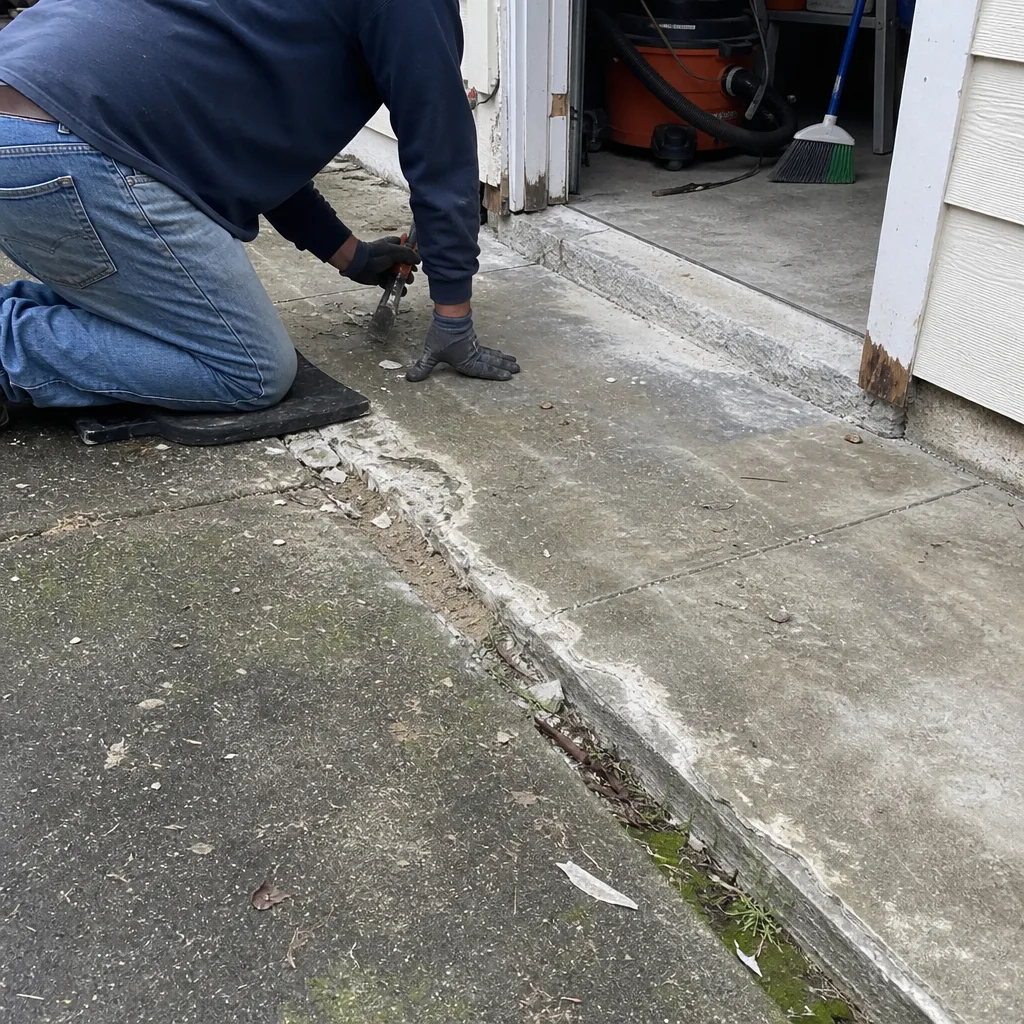 Before
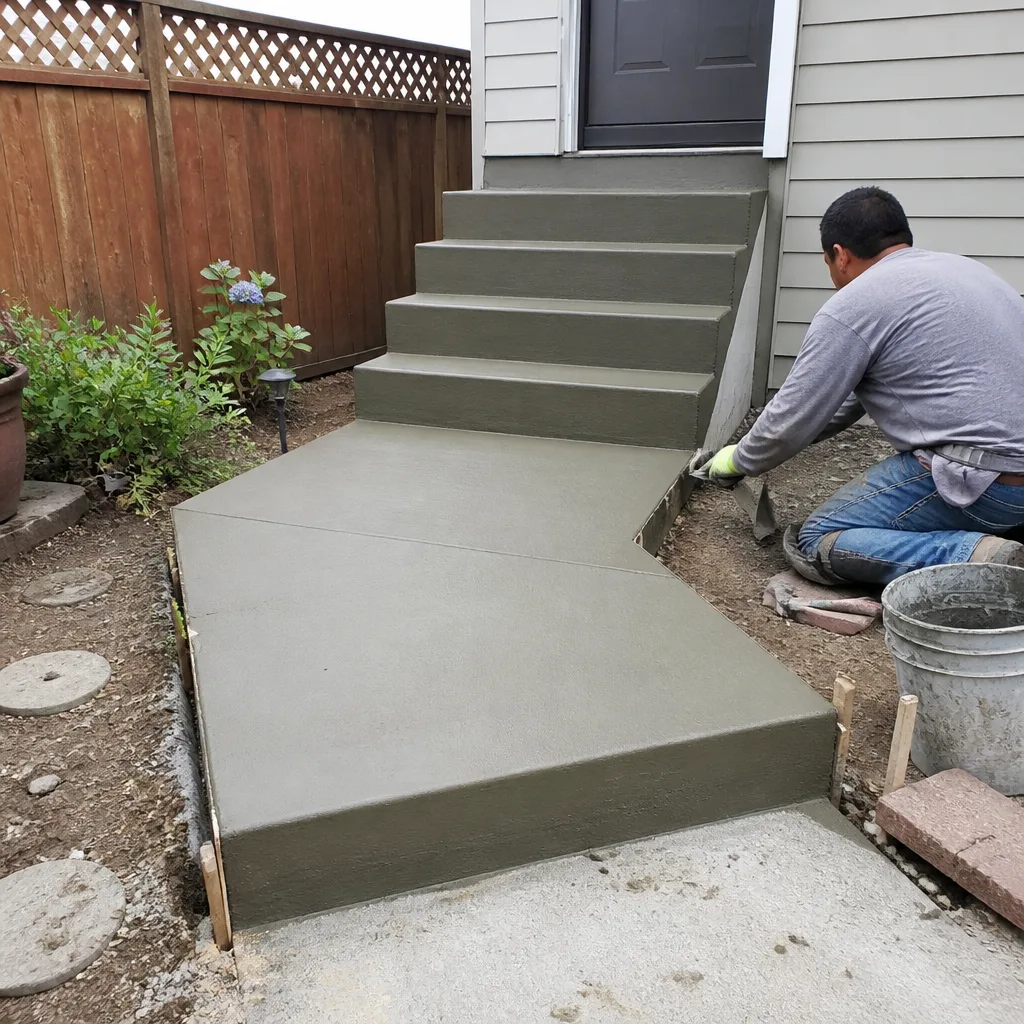 After
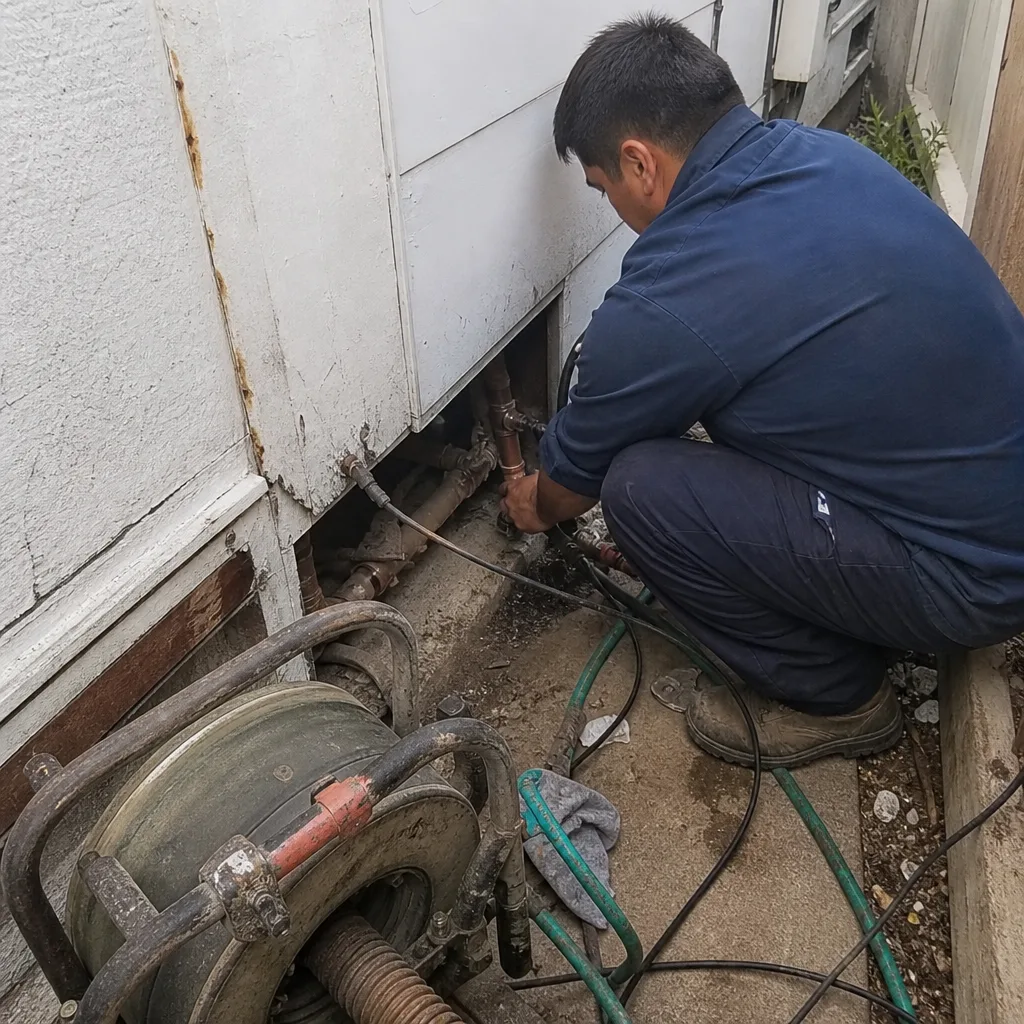 Before
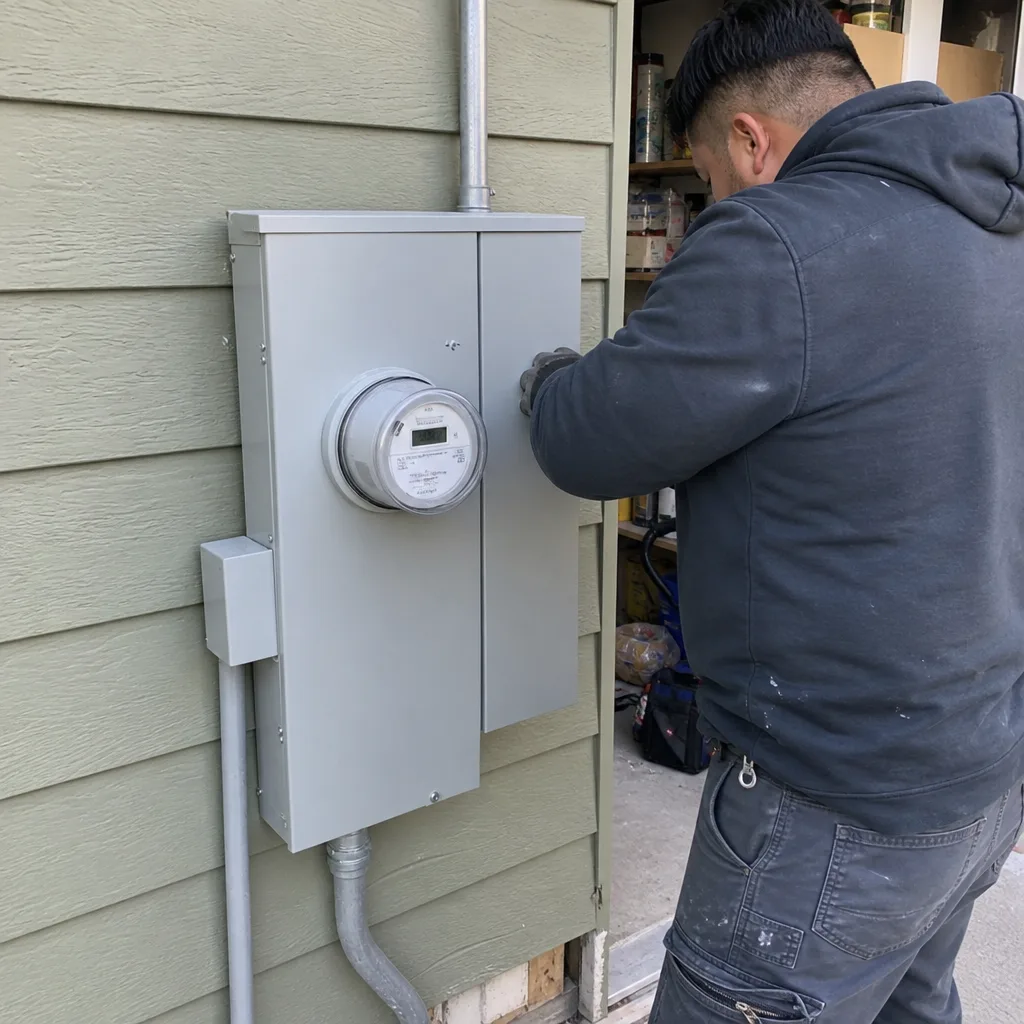 After
 Before
 After