

Last updated October 31, 2026
 Home additions & ADU
 Kitchen remodeling
 Bathroom remodeling
 Roofing
 Windows & doors
 Driveway & pavers
 Fence
Free written scope consultation - allowances, timeline, and change-order rules on paper before a single trade is scheduled
Construction Emergency Preparedness Guide for Daly City Homes
After a significant storm or seismic event in Daly City, the first contractor who calls you back may not be the right one. Emergency pricing spikes, unlicensed storm chasers sweep through affected neighborhoods, and tarping schemes follow every major weather event in the Bay Area. Most preparedness guides tell you to stock water and batteries. Few tell you what to do when your hillside retaining wall is leaning, your roof membrane has peeled back on the ocean side of your house, or a foundation crack appeared overnight. This guide covers the post-event construction triage that determines whether your Daly City home gets stabilized correctly or becomes a six-month insurance nightmare, and points you to more guides & resources for ongoing preparedness.
Quick Answer
Construction emergency preparedness for Daly City homes means knowing how to assess structural damage after a storm or earthquake, document it properly for insurance, stabilize the building with temporary measures that won’t void your coverage, and move ahead of the post-event contractor rush by pre-vetting a licensed general contractor before you need one. The goal is simple: protect your structure now and control your repair costs later.
Styles & brands we work with
Table of Contents
- Structural vs. Cosmetic Damage: What You Can Safely Evaluate
- Daly City-Specific Risks: Hillsides, Coastal Wind, and Seismic Stress
- How to Document Emergency Damage for Insurance Claims
- Why Pre-Vetting a Contractor Puts You Three Weeks Ahead
- Emergency Temporary Repairs That Stabilize Without Voiding Coverage
- The Permanent Repair Timeline: What Gets Done First
- Why Multi-Trade Coordination Matters After a Regional Event
- Common Mistakes to Avoid
- When to Call a Professional
- Frequently Asked Questions
Structural vs. Cosmetic Damage: What You Can Safely Evaluate
After an earthquake or severe storm, your first job is figuring out whether your house is safe to stay in. Structural damage affects load-bearing elements: foundation, framing, roof structure, retaining walls, shear walls. Cosmetic damage affects surfaces: drywall cracks, popped tile, siding dents, fence lean. The distinction matters because insurance adjusters and claims examiners treat them differently, and so should you.
The initial walkthrough you do yourself should be visual only. Here is what you can safely evaluate before a licensed professional arrives:
- Foundation cracks: Hairline cracks under 1/8 inch are common and often cosmetic. Anything wider, especially cracks that run diagonally from a corner, step-crack through mortar, or show vertical displacement between the two sides, signals potential structural movement.
- Drywall cracking around door and window corners: Small, straight cracks at corners are usually cosmetic settling. Cracks that radiate from door frames in two or more directions, or that continue across the ceiling, often indicate racking of the wall assembly during seismic activity.
- Doors and windows that no longer latch or open: A door that was fine before the event and binds now suggests that the frame has shifted. In Daly City, where many homes sit on hillside lots with cut-and-fill grading, this shift can be the first visible sign of soil movement behind the structure.
- Chimney and parapet damage: Inspect from the ground only. Cracks in brick, missing cap stones, or visible lean are structural red flags. Do not climb onto a roof after an earthquake in Daly City unless you are trained and equipped to assess a compromised structure.
What you should not attempt to evaluate yourself: roof truss or rafter damage behind a collapsed ceiling, shear wall integrity inside finished walls, retaining wall soil pressure behind the face, and any condition requiring you to enter a crawl space beneath a shifting structure. These require a licensed contractor or structural engineer before you make re-entry decisions. In the hillside neighborhoods around Westlake, Broadmoor, and St. Francis Heights, retaining wall and slope stability questions are not DIY vs professional construction evaluations you should attempt yourself. A saturated hillside after a week of Pacific storms can keep moving long after the rain stops.
Daly City-Specific Risks: Hillsides, Coastal Wind, and Seismic Stress
Daly City sits directly on the San Andreas Fault corridor and takes the full force of Pacific storm systems that roll through the Golden Gate. That combination creates a specific risk profile that generic national preparedness guides miss. What works for a house in Sacramento or Walnut Creek does not translate directly to the western slopes of San Bruno Mountain or the coastal flats near the Mussel Rock area.
Hillside retaining wall failure after saturation. Daly City has thousands of retaining walls, many built in the 1950s and 1960s when grading standards were looser and drainage behind the wall face was often an afterthought. A week of sustained rain saturates the soil behind these walls. The added pore water pressure can push a marginally stable wall past its tipping point, causing the face to bow, crack, or separate from its footing. If you see fresh bulging or new horizontal cracks after a storm, that wall is actively moving. Do not stand next to it. Keep children and pets away from the base. Call for an assessment immediately.
Roof membrane blow-off in coastal wind events. The wind that funnels through the gap between San Bruno Mountain and the coastal ridges hits Daly City harder than neighborhoods a few miles inland. Flat and low-slope roofs in the St. Francis and Serramonte areas are particularly vulnerable to membrane peeling at the edges and corners. Once the membrane lifts, wind gets underneath it and can peel back large sections in minutes. The repair priority is immediate: tarp and secure the exposed area to prevent water intrusion into the roof deck and insulation.
Foundation crack assessment after seismic activity. After any earthquake above a 3.5 magnitude centered in the San Francisco Peninsula area, walk your foundation perimeter. Look for new cracks, especially vertical or diagonal displacement. Existing cracks that were stable for years may have widened. Document everything with photos and a reference object like a coin for scale. If you have a crawl space, check the foundation stem walls from inside too, but only if the space is accessible and you can do so without putting yourself under a compromised floor system. This is a task for a contractor with structural knowledge, not a first pass after a quake.
How to Document Emergency Damage for Insurance Claims
Insurance claims get denied or reduced for one reason more than any other: incomplete or disorganized documentation. The hours immediately after an event are when you can capture the most accurate record of what happened, before cleanup changes the scene and before additional rain or aftershocks compound the damage. Do this before major temporary repairs whenever safe.
- Photograph everything before you move anything. Work systematically from the outside in. Start with the roof and roofline, then exterior walls from each side, then foundation perimeter, then each room inside. Take wide shots that show context (where the damage is in relation to the whole structure) and close shots that show detail. Use a reference object like a quarter or a tape measure for scale on cracks.
- Video walkthrough with narration. Walk the property and describe what you see out loud: “Here is the retaining wall, the crack runs from the top cap down to the footing, it is about three-eighths of an inch wide.” Spoken details recorded in real time are hard for an adjuster to dismiss later.
- Keep a written damage log. Date, time, location, and description for every item. Note what you did about it: tarped, boarded, shut off water, called a contractor. Insurance companies want to see that you took reasonable steps to prevent secondary damage.
- Document the weather event itself. Save rainfall totals from a reliable weather source, earthquake magnitude and epicenter data from USGS, and NWS wind gust numbers for your area. This establishes that the event was significant enough to cause the damage you are claiming.
- Separate mitigation work from permanent repair authorization. Insurance policies typically require you to mitigate further damage: tarping a roof, boarding a window, shutting off a leaking supply line. This work is generally reimbursable even before an adjuster arrives. Permanent repairs require authorization. Do not sign a repair contract with a storm chaser before your adjuster has reviewed the damage, and never sign an assignment-of-benefits agreement without reading it in full.
When you choose a contractor for the mitigation phase, choose one who will also be a credible candidate for the permanent repair work. Every day you lose during the post-storm scramble is a day where demand for good contractors in Daly City is spiking and availability is shrinking. The homeowners who pre-vet and establish a relationship ahead of time are the ones who get their houses dry and stabilized first.
Why Pre-Vetting a Contractor Puts You Three Weeks Ahead
After a regional event, every licensed contractor in the Bay Area gets flooded with calls. The time between “I need help” and a contractor actually standing on your roof or at your foundation is measured in weeks, not days. Homeowners who have not done any research before the emergency are calling cold, often choosing whoever answers the phone first. That is how people end up with an unlicensed operator, a storm chaser from out of state, or a reputable contractor who simply cannot get to them for another month.
A pre-vetted relationship changes the entire post-event timeline. Here is what it looks like in practice: you have already identified a licensed general contractor serving Daly City, you have confirmed their license status with the CSLB, you know what trades they handle in-house, and you have had at least one conversation about your home’s specific construction profile. When the emergency hits, you are calling someone who already knows your house, already has your address in their system, and can prioritize your mitigation needs because you are a known entity, not a cold call from a panicked homeowner.
This is especially valuable in Daly City because the local housing stock has quirks that an out-of-area contractor will not know. Hillside drainage patterns, the way wind loads concentrate on the western slope, the prevalence of post-war construction with specific foundation types. A contractor who works here regularly, who has navigated Construction Permits, Codes & Inspections in CA: What You Need to Know for hillside work, and who knows the difference between Broadmoor’s flat lots and the steep grades near the Olympic Club, is already calibrated to the problem before they arrive.
When you pre-vet with Daly City Construction home team, you establish that baseline before the storm season starts. The time to call for a pre-event conversation is not during a wind warning. It is now, while the sun is out.
Emergency Temporary Repairs That Stabilize Without Voiding Coverage
Temporary repairs serve one purpose: stop further damage. They are not meant to be permanent, they are not meant to look good, and they should never be presented as a final fix. Insurance policies generally require you to complete these mitigations, and failure to do so can reduce or deny coverage for secondary damage like water staining, mold, or structural deterioration that occurred after the initial event.
Roof tarping. If you have a torn membrane or missing shingles, the priority is keeping water out of the roof assembly. The proper method is to secure a heavy-duty tarp over the damaged area, extending past the ridge line and the eaves so water cannot run underneath. Fasten the tarp with wood furring strips and ring-shank nails, not just bungee cords or sandbags. Do not nail into the undamaged roof surface casually: each penetration creates a new potential leak point. A contractor familiar with roof systems will know how to minimize this. Tarping a steep roof on a Daly City hillside home is genuinely dangerous after a storm, when surfaces are slick and the roof deck may be compromised. If you have any doubt about your footing or the stability of the roof, wait for a professional crew.
Window and door boarding. After broken glazing or a failed door frame, board the opening from the outside with plywood cut to cover the full rough opening. This serves two purposes: it keeps weather out and it secures the home against entry. Use 5/8-inch CDX plywood over the opening, fastened into the frame or surrounding sheathing. If the frame itself is racked, the board will only be as secure as the framing it attaches to. In that case, the opening is a structural repair and the boarding is a stopgap, not a solution.
Drainage diversion. If stormwater is flowing toward a foundation, a saturated hillside, or an active retaining wall failure, redirect it immediately. Sandbags, landscape fabric diversion swales, and temporary downspout extensions can move water away from a compromised structure. This is low-tech, fast, and effective. A 50-foot roll of landscape fabric and a stack of sandbags can prevent tens of thousands of dollars in foundation movement on a Daly City hillside lot.
Structural bracing. A retaining wall that is actively bowing can sometimes be drilled and braced temporarily with deadman anchors or raker braces. This is not a DIY project. It requires understanding soil pressure, wall construction type, and load paths. An improperly braced wall can fail catastrophically when the next storm arrives. Call a licensed contractor with hillside experience. Retaining wall systems from manufacturers like Barrette and Master Halco represent the modern standard in post-and-panel and segmental wall construction, but the existing wall on your property may predate these engineered systems entirely.
The Permanent Repair Timeline: What Gets Done First
Once the temporary stabilization is complete and the insurance adjuster has documented the damage, the permanent repair sequence begins. Getting the order right saves money and prevents rework. Here is the sequence we follow in Daly City homes after a major storm or seismic event:
- Foundation and retaining wall stabilization. Nothing else matters if the structure is sitting on compromised ground. This is the first permanent work item. Foundation repair, wall reconstruction, drainage correction, and soil stabilization all happen before interior finish work begins. In hillside areas like the Westmoor corridor, this often involves a structural engineer’s stamped plan and a San Mateo County permit.
- Roof and building envelope restoration. Once the structure is stable, the next priority is permanent weatherproofing. This includes roof replacement or repair, flashing work, siding repair, window and door replacement where frames were damaged, and any exterior waterproofing tied to the storm event. Homes in coastal Daly City neighborhoods benefit from roof systems specified by manufacturers like GAF and Owens Corning, with installation details that address the specific wind uplift conditions common here.
- Interior water damage remediation. Only after the envelope is sealed do you address interior damage from water intrusion: drywall replacement, insulation replacement in wet bays, flooring repair, and any mold remediation if drying was delayed. Doing this before the envelope is sealed means doing it twice.
- Finish restoration. Paint, trim, cabinet reinstallation, countertop replacement, and fixture work come last. By the time you reach this phase, you are past the emergency and into a renovation project.
The homes that recover fastest are those where one contractor handles the entire sequence. When separate companies handle foundation, roofing, and interior work, coordination gaps emerge: the roofer finishes and waits two weeks for the drywall crew, the drywall crew discovers the flashing detail was wrong, the homeowner becomes the project manager. A General Contractor in Daly City coordinates across all phases, which becomes especially important when multiple permits, inspections, and trade schedules are running concurrently after a regional disaster.
Why Multi-Trade Coordination Matters After a Regional Event
After a significant storm or seismic event, the demand for individual trades spikes simultaneously. Roofers, foundation contractors, water mitigation crews, and structural engineers all have more work than they can handle. Homeowners who hire separate companies for each trade enter a scheduling competition where each trade’s availability governs the timeline. The roof is done in two weeks, the engineer reports in four, the foundation crew can start in six, and the interior restoration happens whenever everyone finally clears out.
A multi-trade general contractor changes that dynamic. One point of contact coordinates the engineer, the foundation work, the roof system replacement, and the interior restoration under one schedule. Material decisions get made once, not four times by four different crews. Warranty responsibility falls on one accountable party, not four companies that will blame each other if something fails. The homeowner is not calling ten numbers to find out when the drywall crew arrives.
This is where brand and material depth actually matters for emergency recovery. A contractor with a vetted portfolio of 50+ manufacturer brands can spec replacement materials that match or upgrade what was there before, from James Hardie fiber-cement siding on storm-exposed elevations to Therma-Tru door systems that handle the wind pressures common on Daly City’s west side. The conversation becomes “here are your options across three budget tiers for this roof replacement” instead of “we use whatever the supplier has in stock.” After a regional event, suppliers run short, and the homeowners who recover well are the ones whose contractor has procurement relationships that extend beyond a single brand or a single distributor.
The same logic applies to Home Remodeling in Daly City after an event. If your insurance claim covers damage beyond simple restoration, such as a kitchen that needs gutting because of water intrusion, the recovery project becomes a remodel. Having a contractor who handles both the emergency stabilization and the subsequent remodel means the transition from “disaster response” to “improvement project” happens without a handoff.
Common Mistakes to Avoid
- Waiting to document damage until after cleanup. Once you move debris, sweep up drywall dust, or pull off a damaged fascia board, you have altered the scene. Insurance adjusters rely on the post-event evidence trail. Photograph first, clean second.
- Signing an assignment of benefits from a storm chaser. These contracts give the contractor the right to collect directly from your insurance company. Some are legitimate. Many are not. Read every line before signing, and verify license status with the California Contractors State License Board before anyone touches your property.
- Paying full price upfront for emergency work. A deposit on a written contract is standard. Full payment before work is complete is not. Contractors who demand full payment in cash for tarping or boarding work should trigger an immediate red flag.
- Using the wrong material for temporary roof repair. A thin blue tarp stapled to the deck will not survive Daly City wind. Use a heavy-duty tarp at least 10 mil thick, secured with furring strips over the ridges, and inspect it after every subsequent wind event until permanent repair happens.
- Ignoring new or widened foundation cracks after small earthquakes. Daly City residents tend to shrug off small quakes. But a 3.5 magnitude event on a nearby segment of the San Andreas can be enough to finish off a foundation that was already stressed. New cracks, widened cracks, or doors that suddenly bind after a small quake all warrant a professional look.
- Rushing the retaining wall decision. After a hillside failure, the pressure to “just rebuild it” is enormous. But if drainage behind the wall is not corrected first, the new wall fails the same way the old one did. Rebuilding without fixing the drainage is paying for the same failure twice.
- Choosing a contractor based on who answers the phone first. The best contractor for your specific damage profile is not necessarily the first one to pick up. Pre-vet before the storm season, know who handles hillside work and coastal wind exposure in Daly City, and call that person when the event happens.
When to Call a Professional
Call a professional immediately after any structural red flag: a retaining wall that is bowing or moving, a roof that has lost its membrane or sheathing, a foundation crack with vertical displacement, a chimney that is leaning or cracked, a ceiling that has collapsed or is sagging under water weight, or any situation where you cannot safely evaluate the condition yourself. In Daly City, hillside and seismic considerations make these evaluations more urgent than they are on flat, stable lots. A licensed contractor can assess the problem, determine whether a structural engineer is needed, and coordinate the mitigation and repair sequence from start to finish. Home Renovation in Daly City work after a disaster is complex enough without managing five different companies. Daly City Construction offers free estimates in Daly City – call (866) 505-5254.
Frequently Asked Questions
First check for gas leaks, electrical hazards, and structural instability. If the structure appears compromised, evacuate and do not re-enter until evaluated. Then photograph all visible damage before moving anything. Document foundation cracks, wall cracks, roof damage, and any retaining wall movement. Contact your insurance company to open a claim, and call a licensed contractor to assess structural safety before committing to permanent repairs.
Emergency tarping typically runs between $400 and $1,200 depending on roof size, pitch, and accessibility. Steep hillside roofs and multi-story homes in Daly City neighborhoods cost more because of safety equipment and crew time. This is mitigation work and is generally reimbursable under most homeowners policies, but confirm with your adjuster before authorizing any major temporary repair. Call (866) 505-5254 for a current estimate.
Standard homeowners insurance does not cover earthquake damage. Earthquake coverage requires a separate policy or endorsement, usually through the California Earthquake Authority or a private carrier. Storm damage from wind and rain is typically covered under standard policies, subject to your deductible. Review your policy declarations page before storm season so you know what applies in your situation.
A retaining wall is serious if the face is bowing outward, new horizontal cracks have appeared, the wall has separated from its footing, or the ground above the wall shows new cracks or settlement. In Daly City’s hillside neighborhoods, soil saturation from prolonged storms is the primary trigger. Keep people away from the base of the wall and have it evaluated by a contractor with hillside experience before the next rain event.
Yes, temporary window boarding is a reasonable DIY mitigation step if the opening is accessible and the frame is intact. Use 5/8-inch CDX plywood cut to cover the rough opening, fastened into solid framing. If the window frame itself is racked or the surrounding wall shows structural shifting, the opening is a structural issue and boarding is only a stopgap until a professional evaluates the wall assembly.
A general contractor coordinates the full repair sequence: engineer, foundation, roof, envelope, interior restoration. That means one schedule, one accountability point, and no gaps where one trade finishes and the next cannot start for three weeks. After a regional event in Daly City, trade demand spikes and coordination becomes the hardest part of recovery. Single-source accountability shortens the timeline and reduces rework. Call (866) 505-5254 to discuss your situation.
The Bottom Line
Construction emergency preparedness in Daly City is about positioning yourself before the event, documenting thoroughly during it, and coordinating professionally after it. The homes that recover fastest are not necessarily the ones that took the least damage. They are the ones whose owners knew what to photograph, what to stabilize, what to sign, and who to call. In a city defined by seismic risk and Pacific storm exposure, that preparation is not optional. Pre-vet a licensed general contractor, understand your insurance coverage, know the Construction Warning Signs: A Daly City Homeowner’s Reference Guide for structural failure in hillside construction, and keep documentation habits that will hold up under a claim review. The time to build that foundation is before the ground starts shaking.
Written by the team at Daly City Construction, serving Daly City since 2013.
See the difference
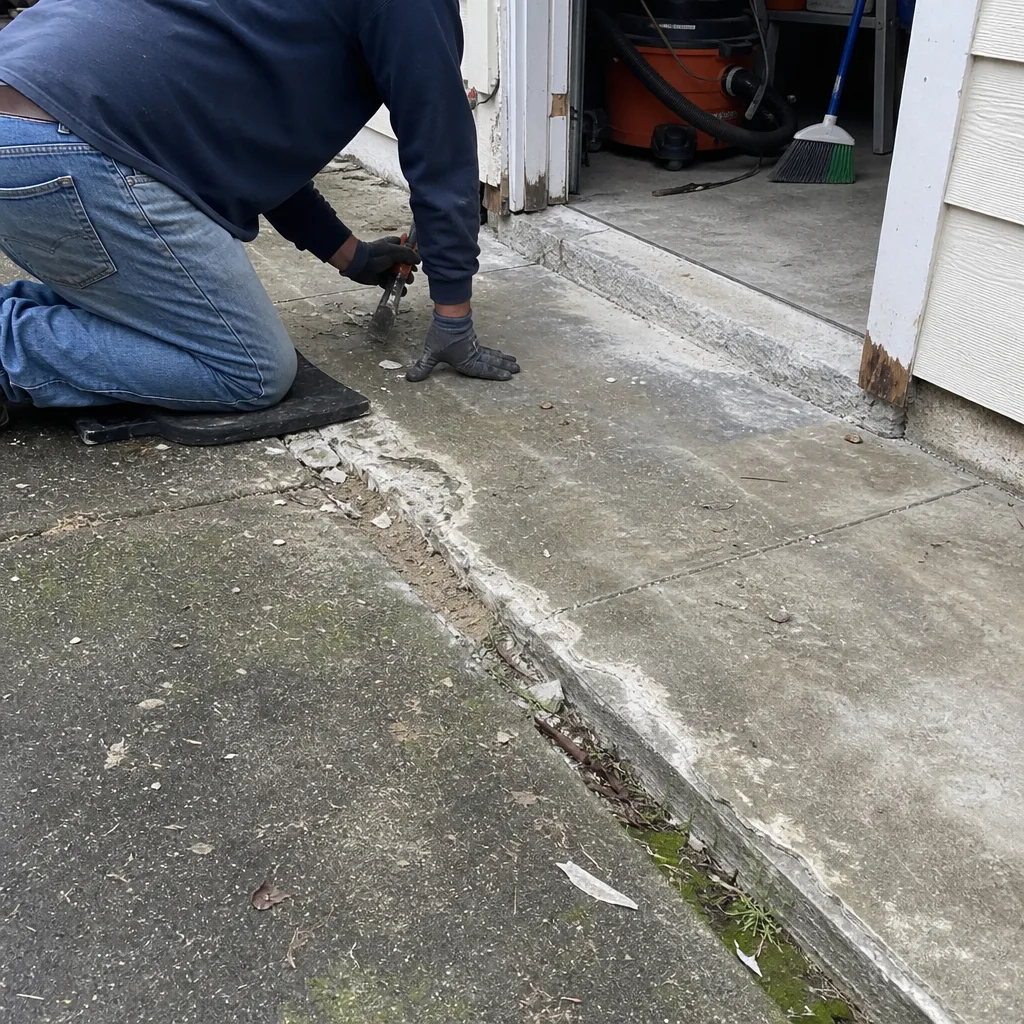 Before
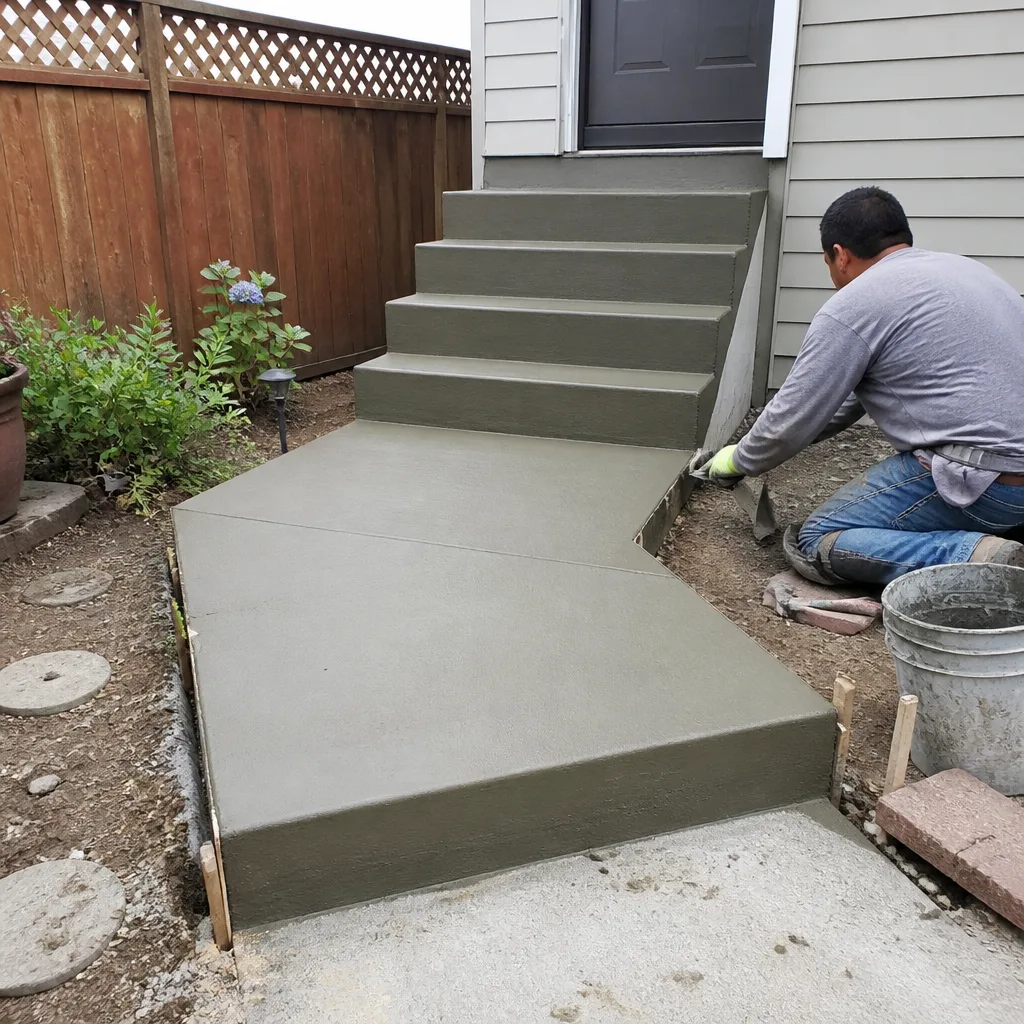 After
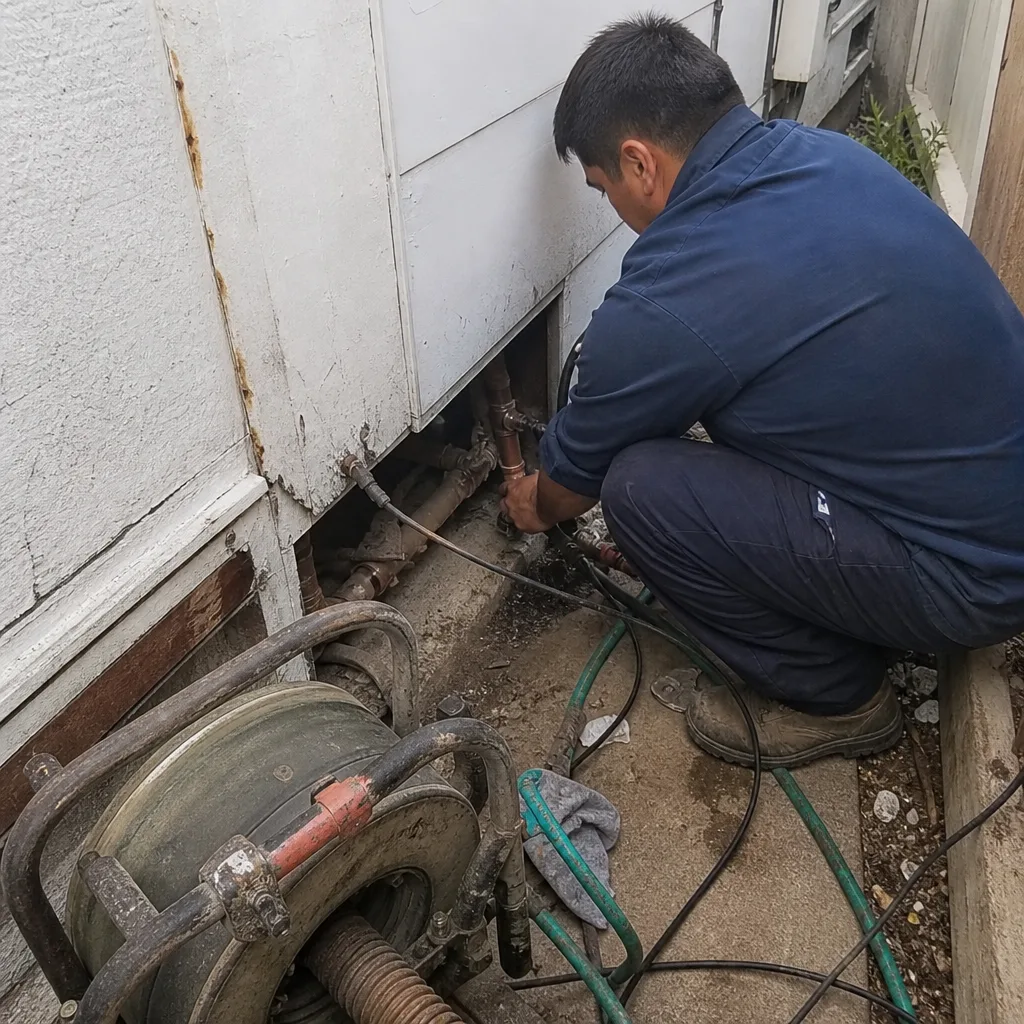 Before
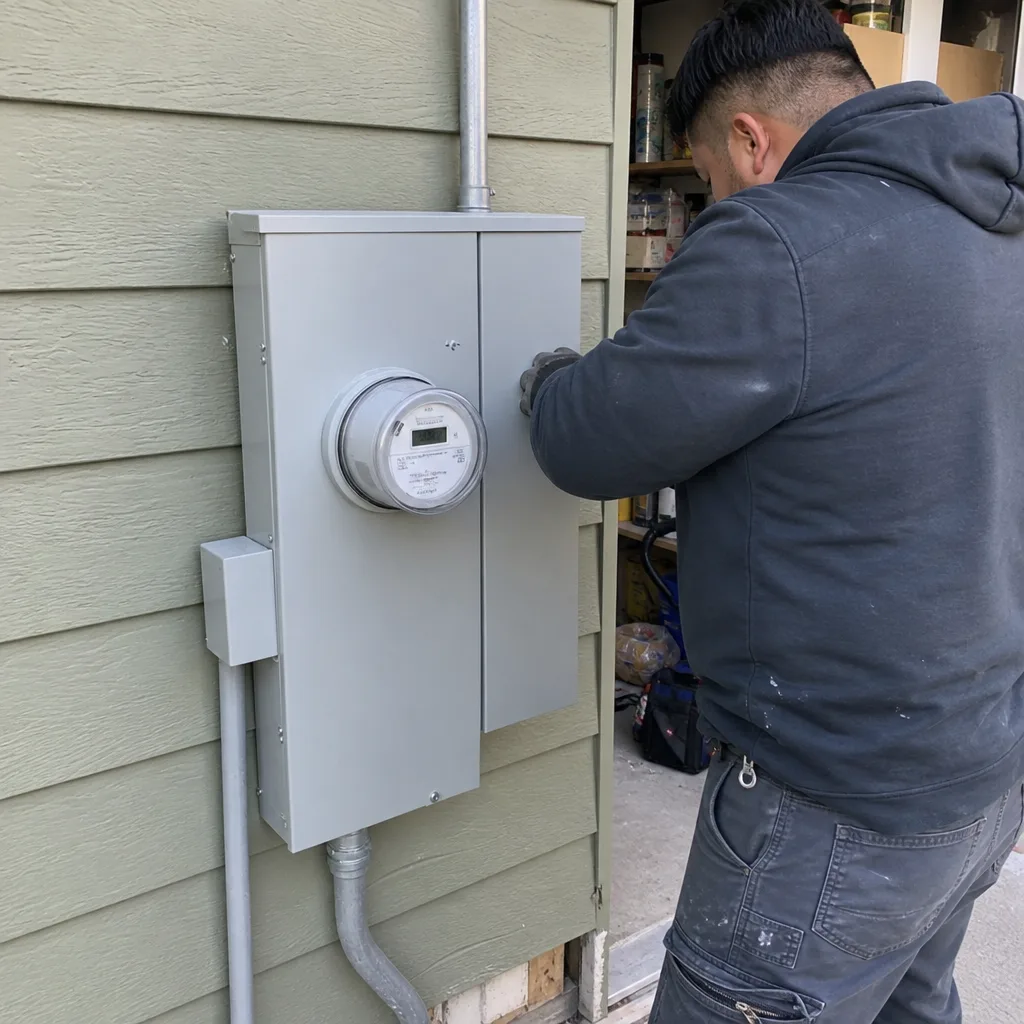 After
 Before
 After