


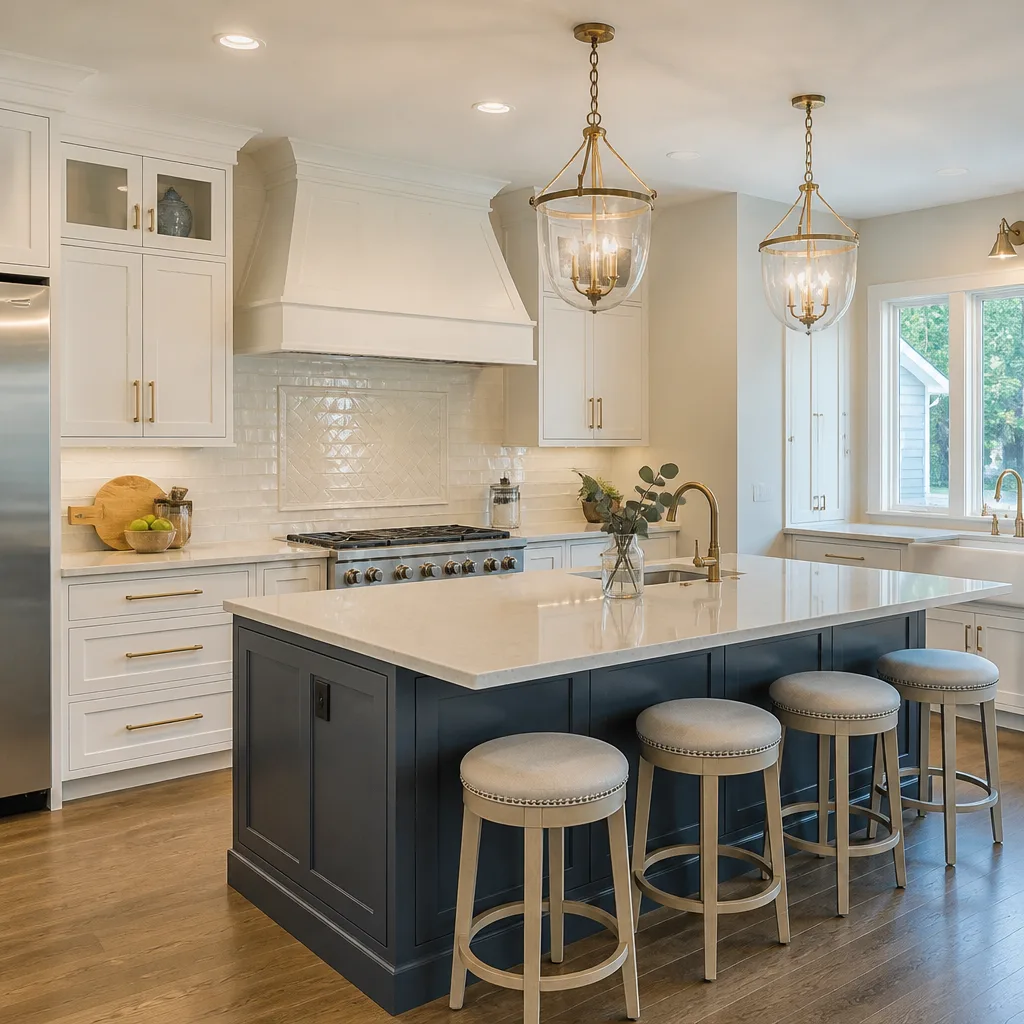
 Kitchen remodeling
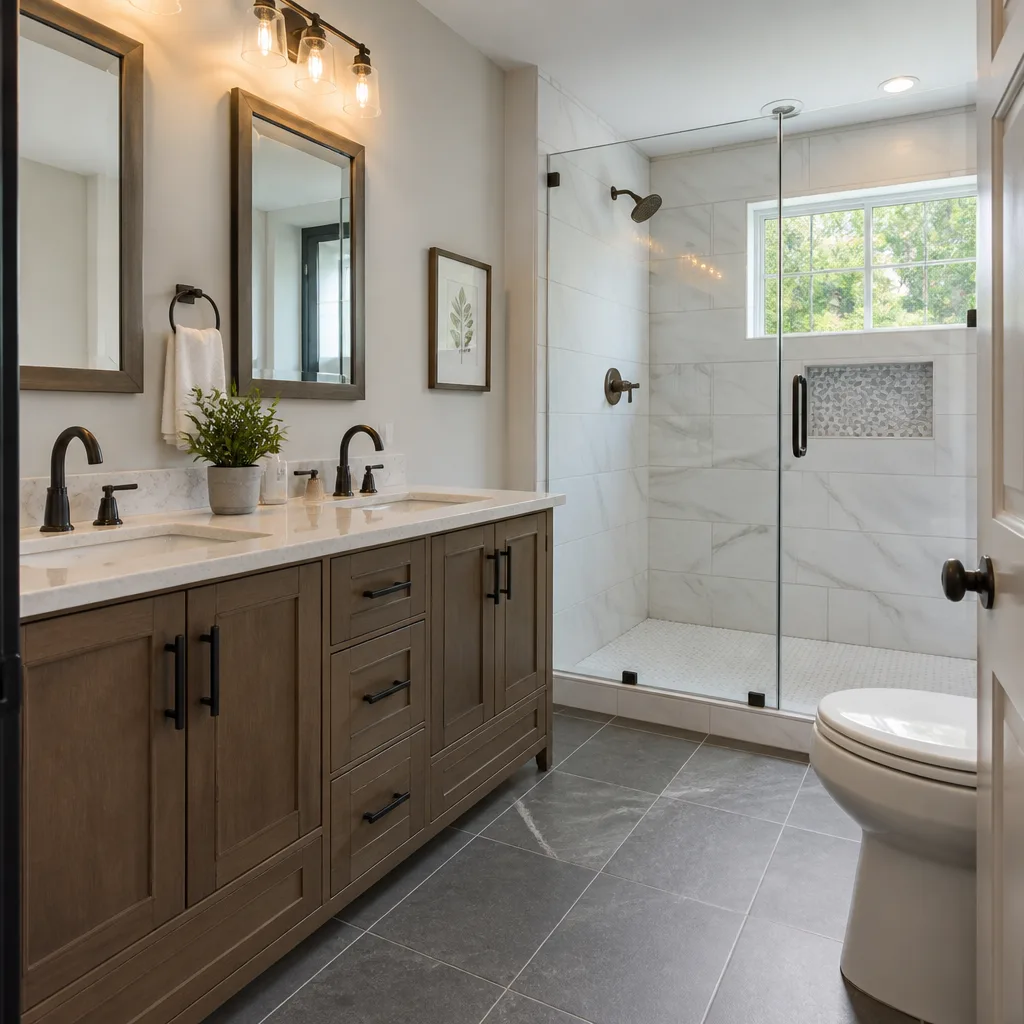 Bathroom remodeling
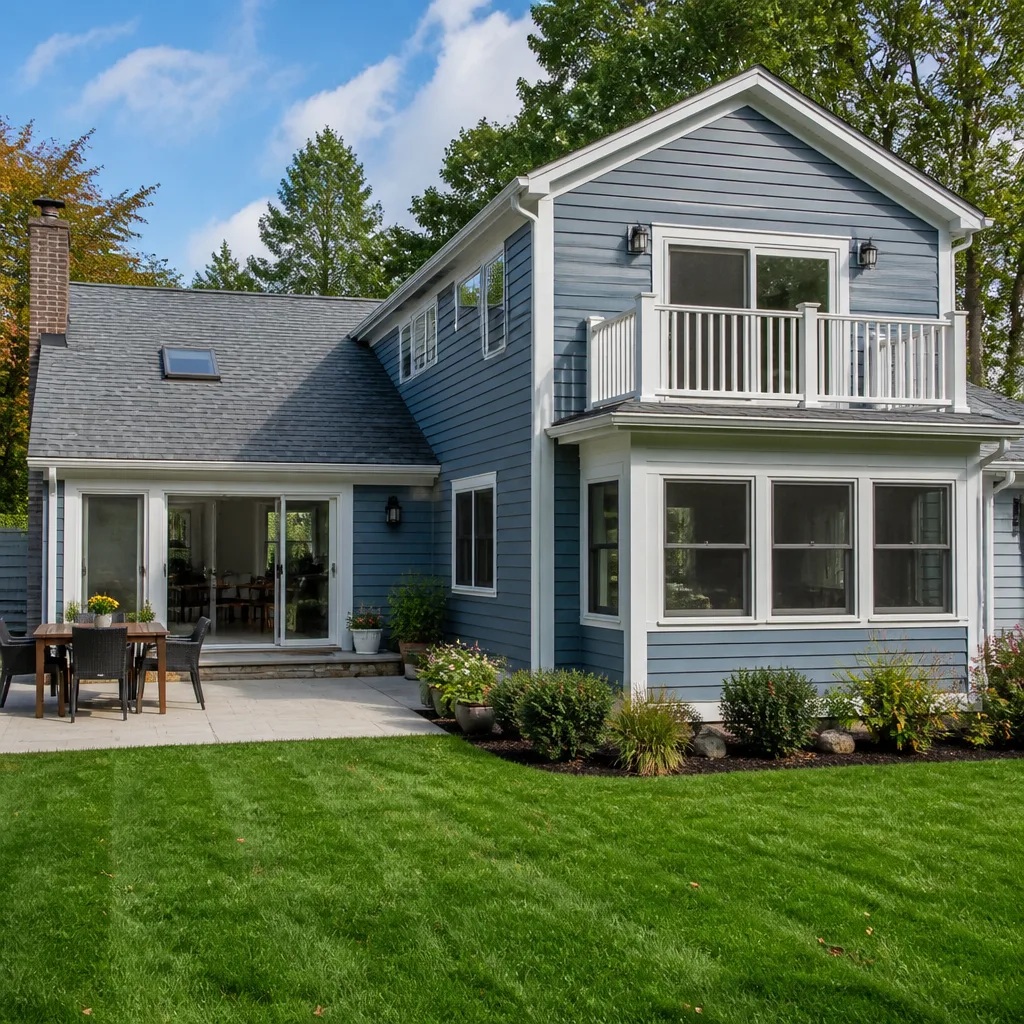 Home additions & ADU
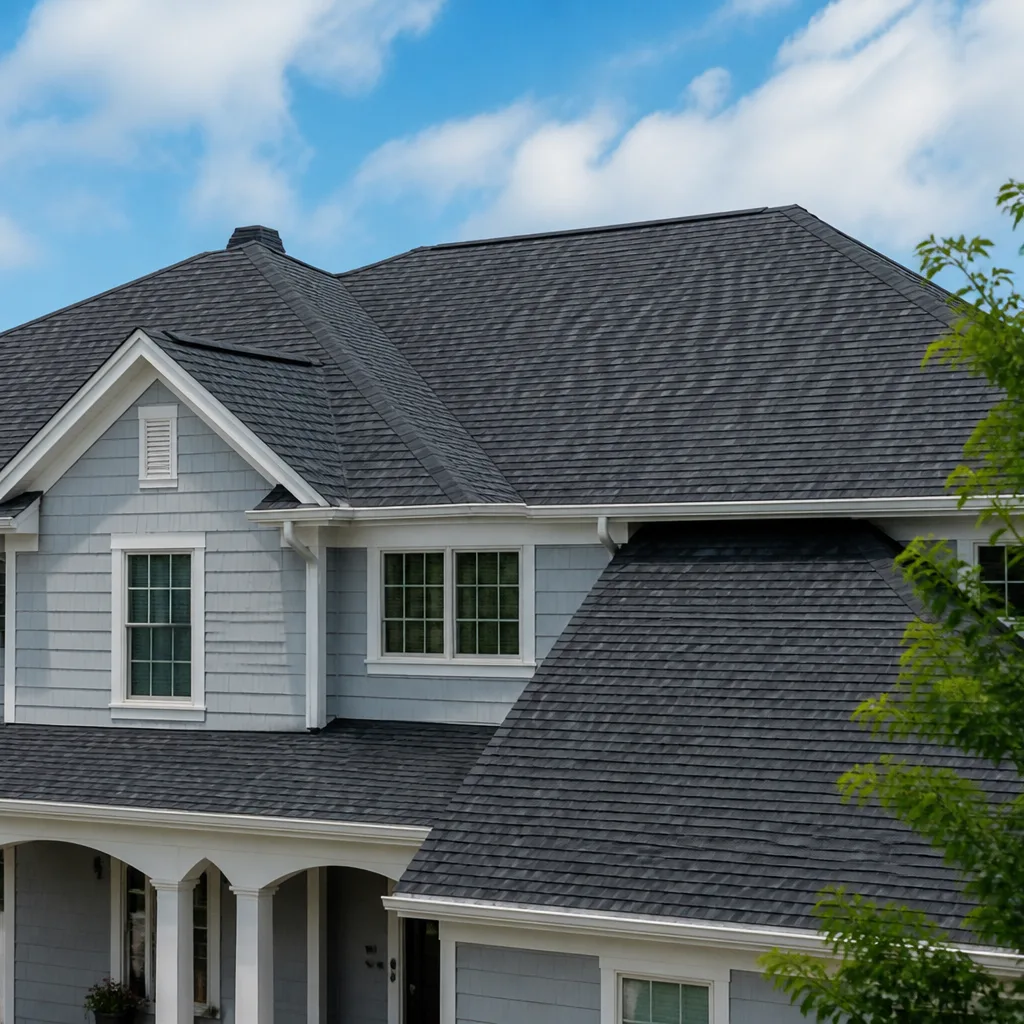 Roofing
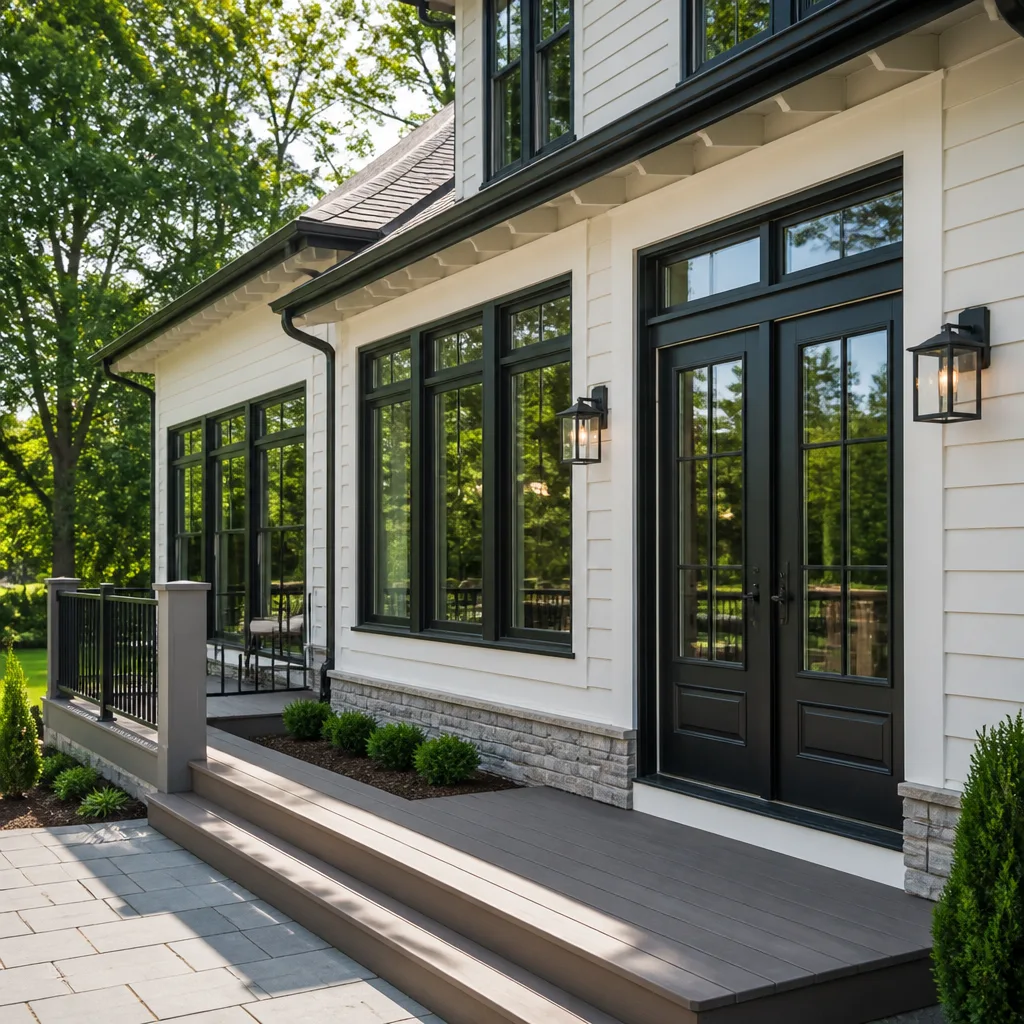 Windows & doors
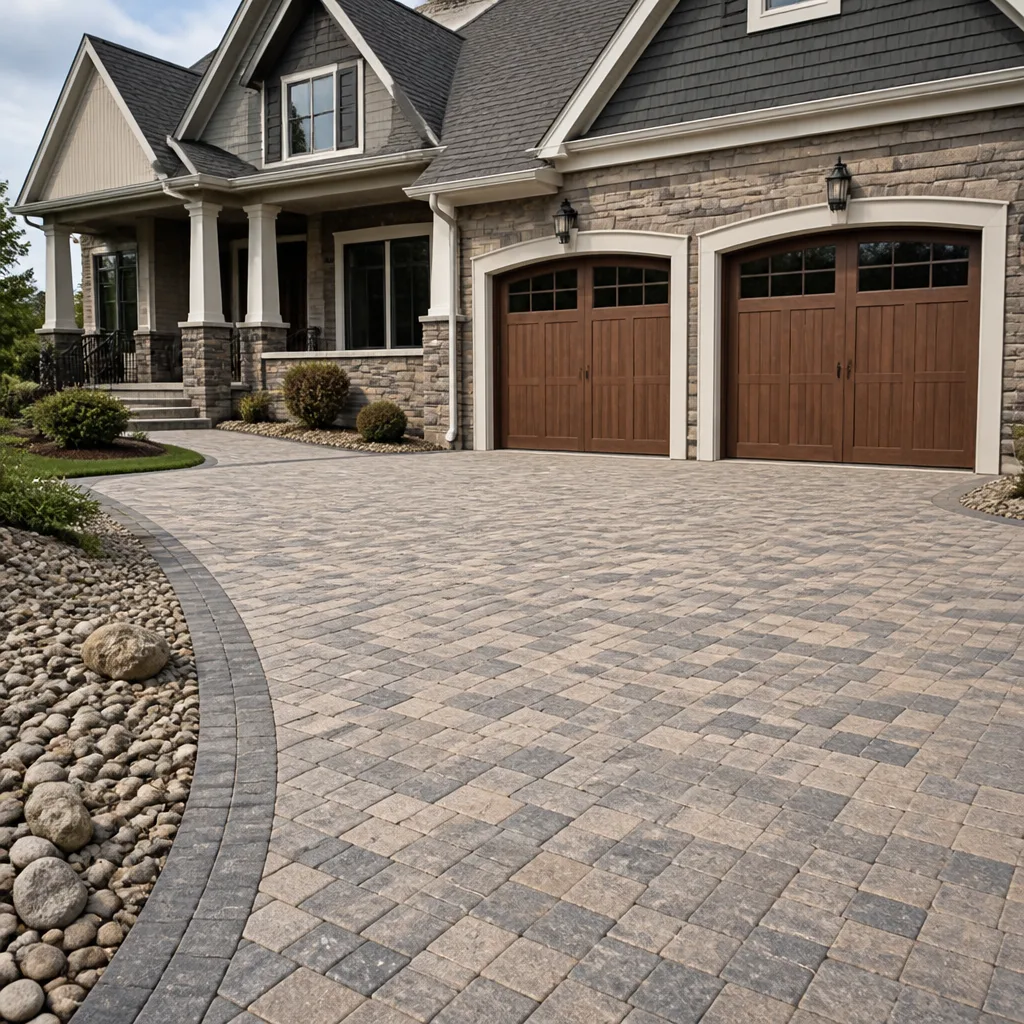 Driveway & pavers
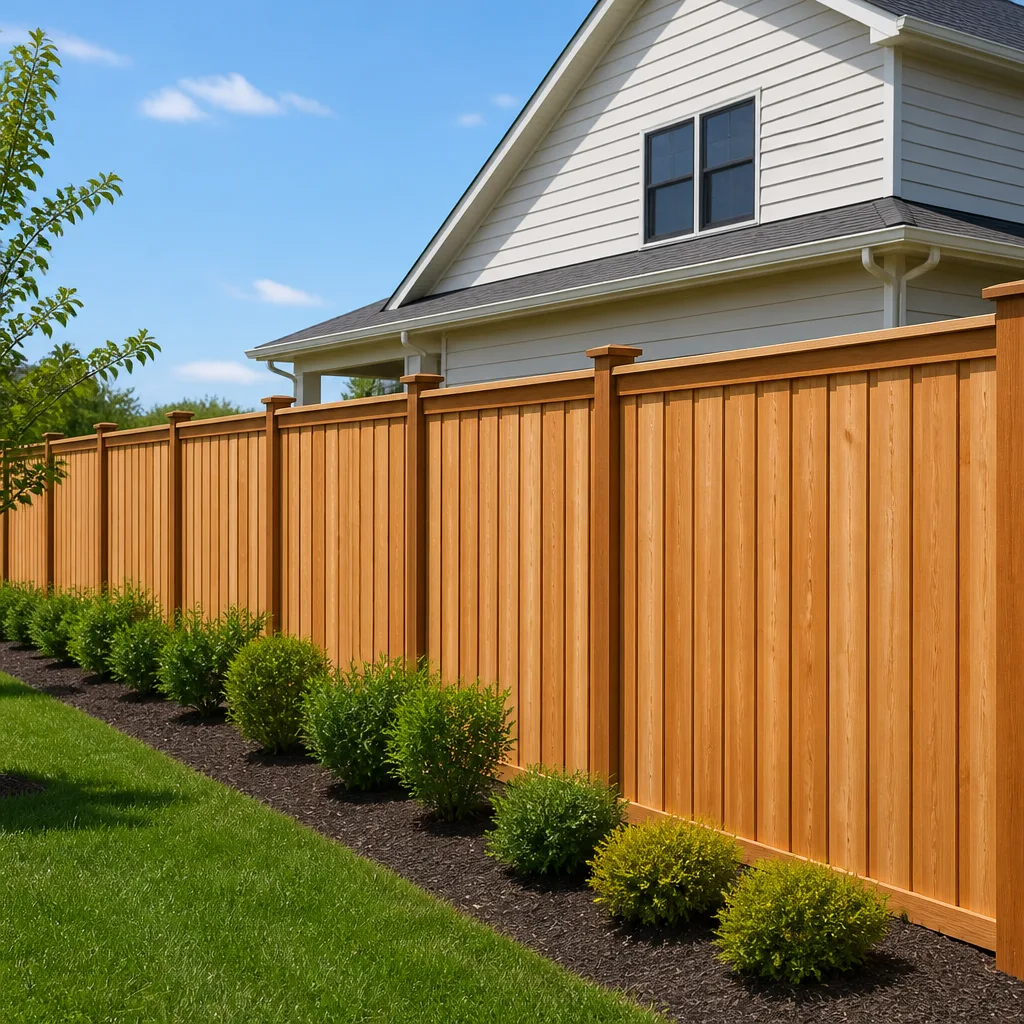 Fence
Free written scope consultation - allowances, timeline, and change-order rules on paper before a single trade is scheduled
Cover Construction in Mountain View, CA | Daly City Construction
Cover construction service in Mountain View means re-cladding and repairing the interlocking aluminum panel systems on homes that face a very specific set of local conditions. We’re Daly City Construction, an independent Cover service provider, not authorized or sponsored by the manufacturer. What makes our Cover work different here is that we sequence every job around Mountain View’s design-review-heavy permit office and the mid-century housing stock that dominates neighborhoods like Waverly Park and Cuesta Park. Call (866) 505-5254 for a free estimate on any Cover exterior cladding, trim, or rainscreen repair.
Why Mountain View Residents Choose Us for Cover Service
Our crews work on Cover exterior cladding and panel systems every week across Silicon Valley, from full re-clad retrofits to storm-damage repairs, including Mountain View Home Remodeling projects. We know how the panels, trims, and concealed fasteners actually behave after a few years on a 1950s rancher with slab-on-grade movement and thermal swing. Noel Cabrera, our owner, grew up in the Westlake district of Daly City watching his uncle re-frame a garage, and he’s been straight-talking about framing, flashing, and exterior envelopes ever since. When you call us about Cover service in Mountain View, you’re talking to a contractor who can read a wall assembly and tell you what’s actually failing, not just swap parts and move on.
We’re local to the Peninsula. We know Mountain View’s ZIP codes, 94035, 94039, 94040, and 94041, and the difference between a Cuesta Park rancher and a North Bayshore infill project. We’re also honest about what we are. Cover sales & service is something we provide as independent contractors. We are not a Cover-authorized dealer. We say that plainly because it matters when you’re deciding who to trust with a re-clad.
Styles & brands we work with
Common Cover Construction Problems We Solve in Mountain View
Cover panels fail in predictable ways, and Mountain View’s climate and housing stock make certain failures more likely than others. Here’s what we see most often on Cover-clad homes here:
- Panel-edge and interlock water intrusion after atmospheric-river storms. Wind-driven rain off the Santa Cruz Mountains finds its way behind panels when the flashing at the top of a wall or the roof-to-wall transition was never detailed for that kind of weather. The panels look fine from the street. The substrate behind them is quietly rotting. We see this most on single-story homes where original roof lines were not designed for a modern rainscreen assembly.
- Chalking and finish breakdown on south- and west-facing panels. Mountain View sits in a rain-shadowed Mediterranean climate with a lot of clear, warm days. Panels on west-facing walls in neighborhoods with no tree canopy take years of Silicon Valley UV without the softening effect of a marine layer. The finish goes chalky, then the color fades unevenly. It’s not a defect in most cases. It’s exposure.
- Dissimilar-metal corrosion where Cover panels meet original galvanized or copper flashings. A lot of Mountain View homes built between 1950 and 1965 still have original copper plumbing vents and galvanized flashings adjacent to the cladding. When those metals touch Cover’s aluminum profiles, especially in the presence of moisture, you get galvanic corrosion. Fasteners back out. Interlocks loosen.
- Cracking and oil-canning over original slab-on-grade walls. Eichler-style and postwar tract homes move with thermal swing, and their original framing was often undersized by today’s standards. Cover panels installed directly over that moving substrate can develop visible stress deformations. We’ve seen subtle waves that homeowners mistake for poor installation. The real problem is what’s moving behind the panel.
- Fastener back-out at concealed clips. This ties directly to the thermal movement issue. Concealed fasteners work great on stable substrates. On a 60-year-old single-story wall that expands and contracts through Mountain View’s warm days and cool nights, those fasteners can work loose over multiple seasons. That loosens the interlock and invites the next storm to find a way in.
Cover Service in Mountain View: What Local Conditions Mean for Your Equipment
Most Cover service pages will tell you the panels are durable and the system is well-engineered. That’s true. But they won’t tell you what Mountain View’s Community Development Department does to a simple re-clad job. Here’s the reality. Because Mountain View runs design review on anything touching a single-story Eichler or sitting within a block of a transit corridor, a Cover re-clad on a Waverly Park wall often needs a pre-submittal meeting and a historic-resource screen before a single panel comes off. That step adds real weeks and changes how we sequence the job. It also changes how we talk to you about scope. We don’t just show up and start pulling panels. We check the overlay, we check the historic screen requirements, we get the submittal dialed in, and then we schedule the work. In San Jose, the same re-clad sails through. In Mountain View, the permit office is part of the project. It’s not a problem if you know it’s coming. It’s a problem if you don’t.
Cover Models & Products We Service in Mountain View
We service the full Cover exterior line that’s commonly installed across the South Bay: Cover Exterior Cladding Panels, the interlocking aluminum panel system you see on both mid-century remodels and newer infill projects. Cover Trim & Corner Profiles, which handle the transitions and edges. Cover Rainscreen Panel Assembly, which is the full system approach. And Cover Replacement Panel & Fastener Kits for targeted repairs. Where the run is still in production, we match OEM Cover panels and profiles so color, module width, and interlock geometry line up exactly. We stock common fasteners, clips, and trims locally so Mountain View turnaround is measured in days, not weeks. Where a discontinued profile can’t be sourced, we use a documented quality aftermarket panel only on non-visible or isolated runs, and we tell you before we do it. No surprises.
See the difference
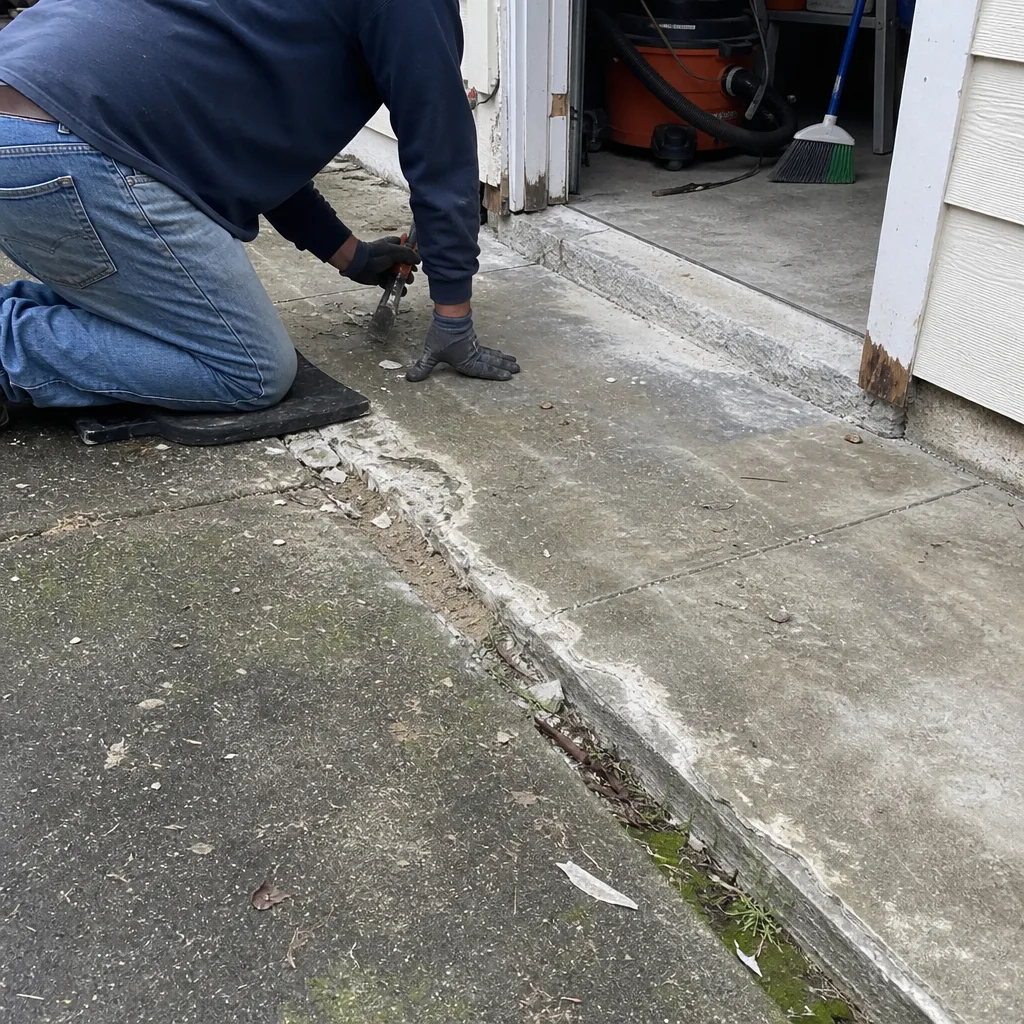 Before
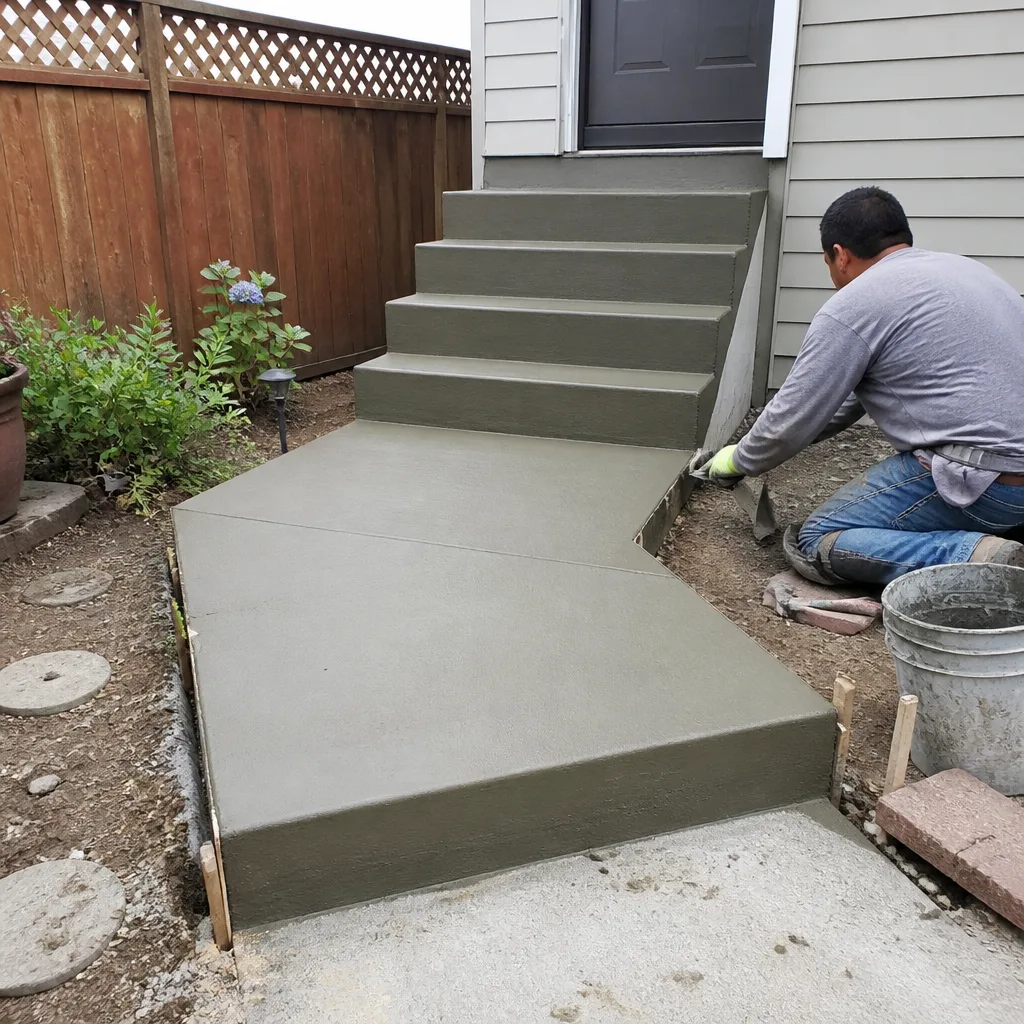 After
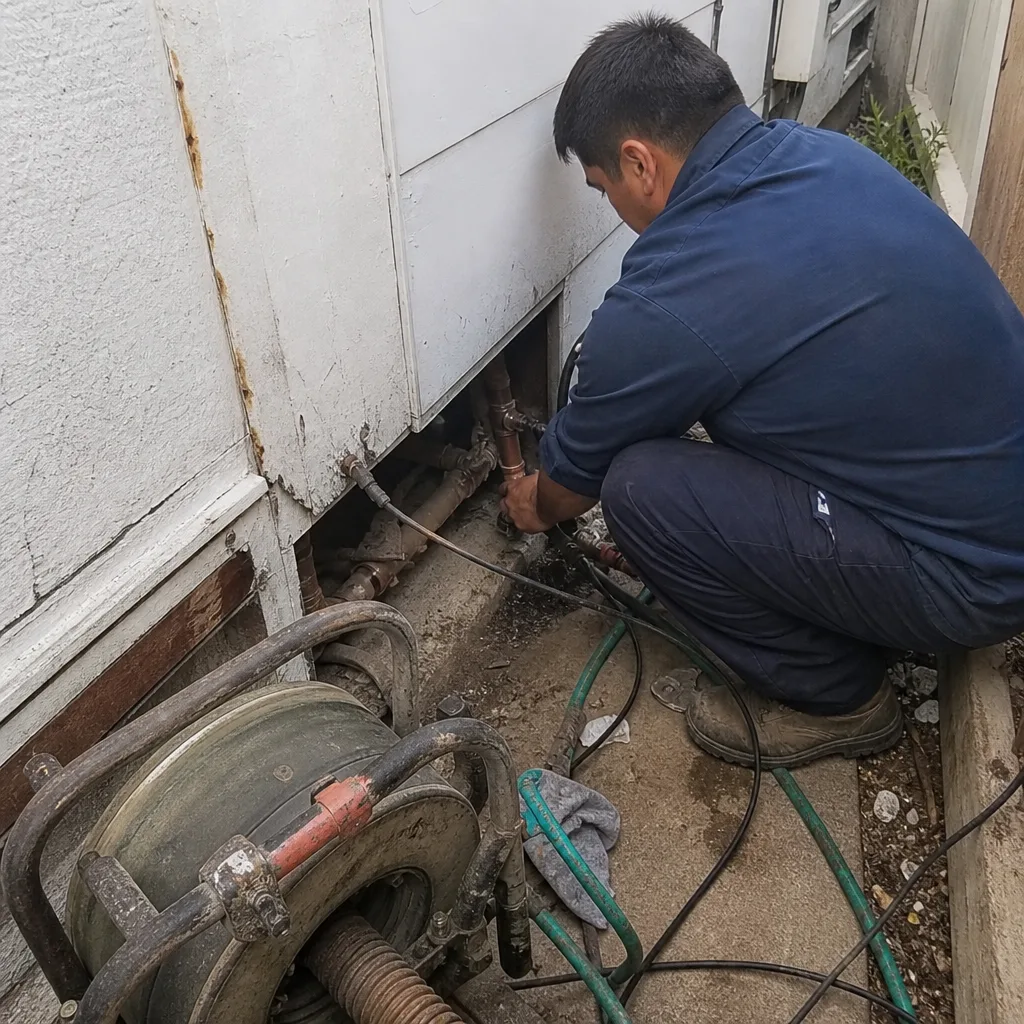 Before
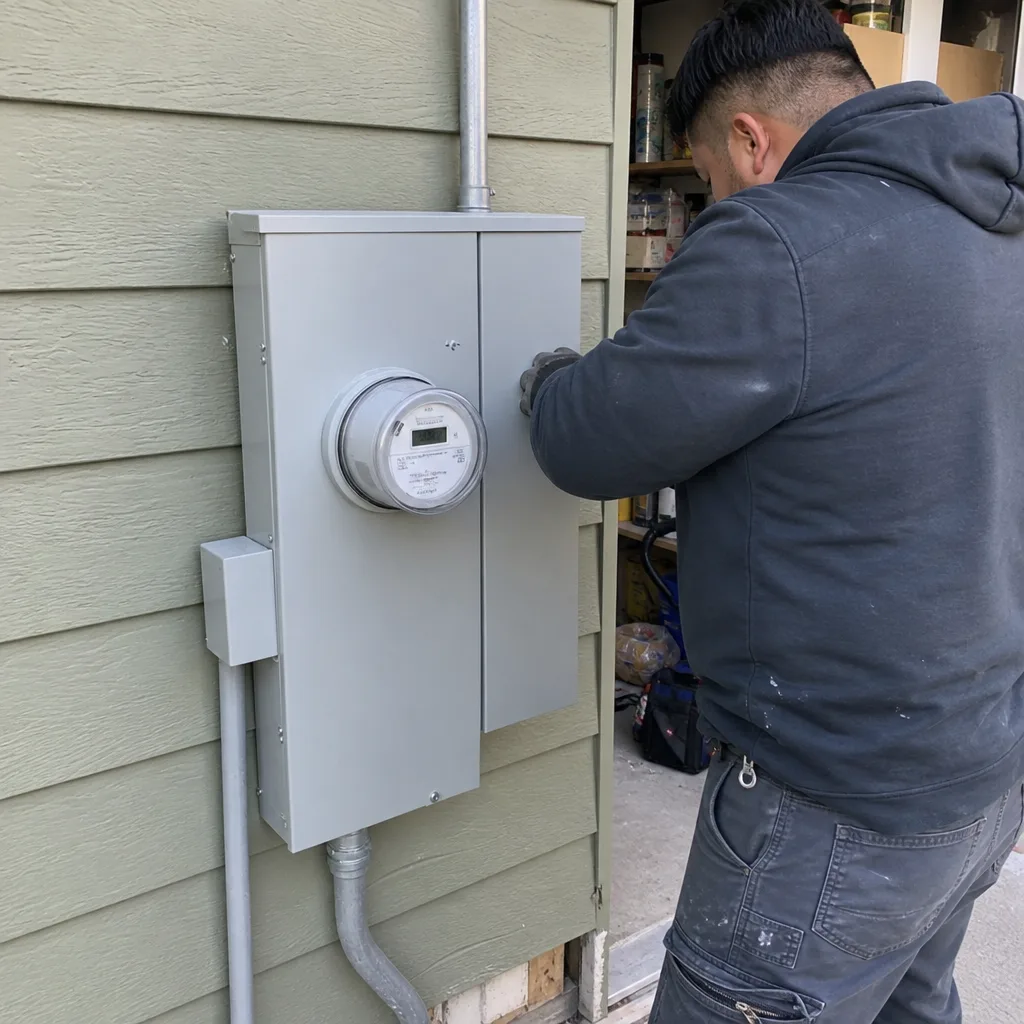 After
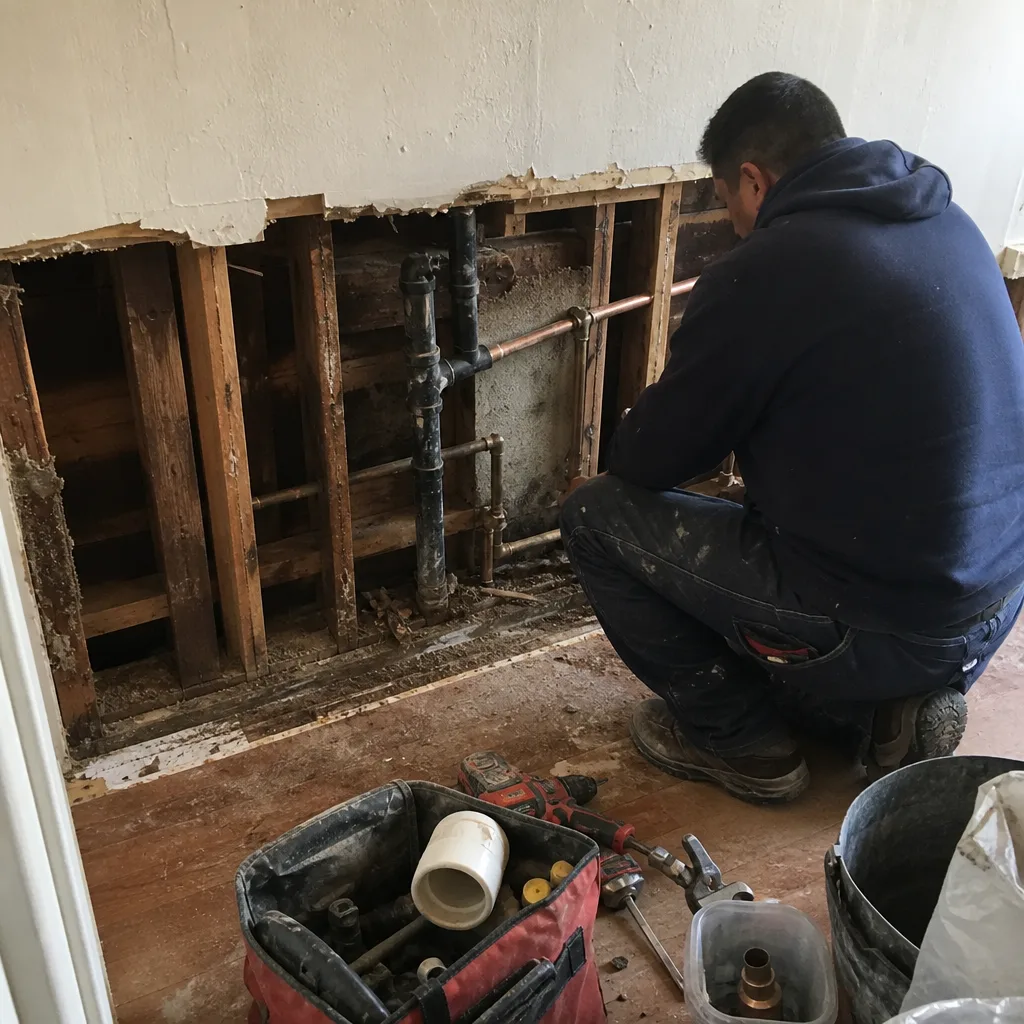 Before
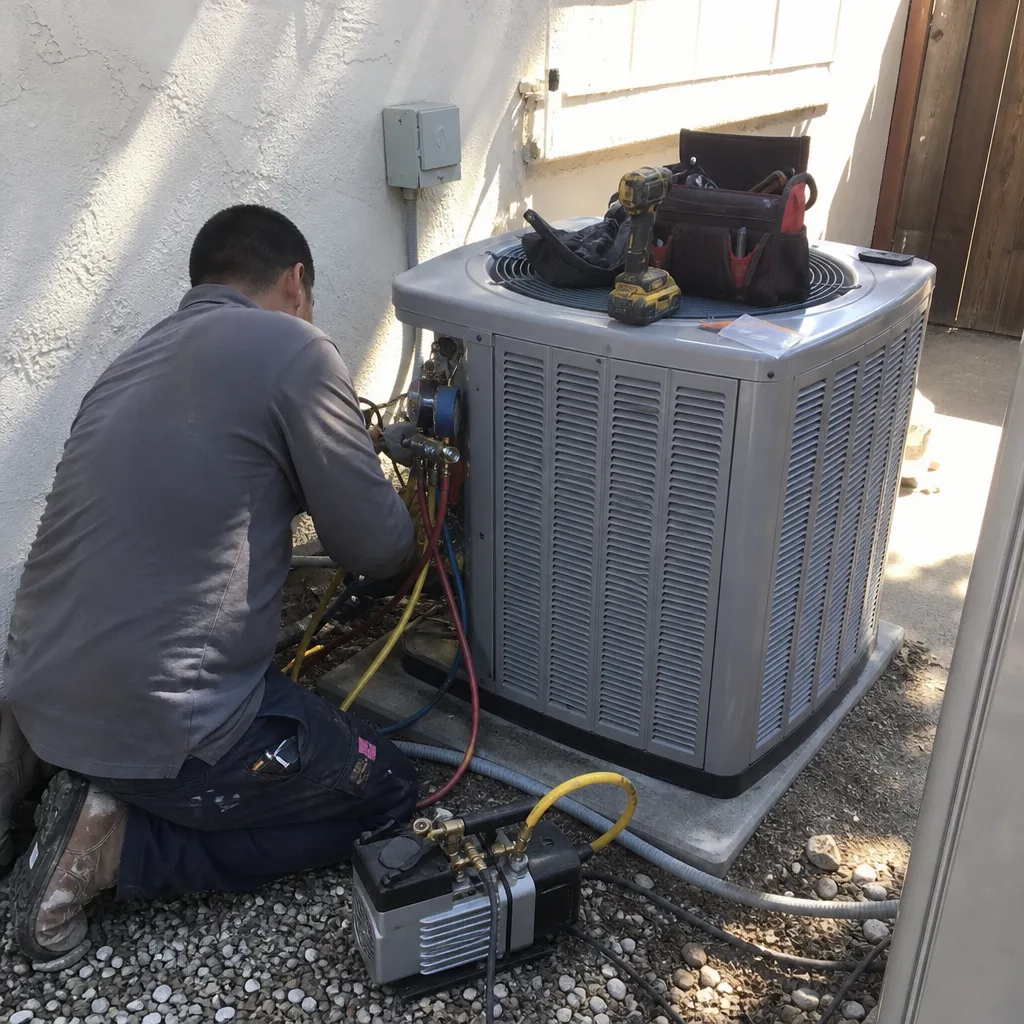 After
Cover Service Pricing in Mountain View
Here are the ranges you should expect for Cover work in Mountain View. These numbers reflect what we see across the local market, including the permit and design-review realities that shape timelines here.
| Service | Price Range |
|---|---|
| Roof Repair (Cover panel/flashing repair) | $400 – $1800 |
| Roof Replacement & Installation (Cover system re-clad) | $8000 – $20000 |
| Metal Roofing (standing seam / Cover metal panel) | $15000 – $40000 |
| Tile Roof Repair (adjacent tile transitions) | $600 – $2500 |
What drives the cost on a Cover job in Mountain View is the substrate condition behind the panels, the complexity of the roof-to-wall flashing details, and whether design review adds pre-construction time. A small panel repair with good substrate runs on the low end. A full re-clad with rotted sheathing, new flashing, and permit coordination lands meaningfully higher. Your free estimate includes a wall assembly inspection, a scope that names every panel run and flashing detail, and a written line-item quote from our General Contractor in Mountain View. Call (866) 505-5254 to schedule yours.
Serving Mountain View, CA — Our Local Coverage Area
We’re based in the Mountain View area and know this community well, and we also provide Cover repair in Los Altos. Use the map below to see our service coverage — if you’re nearby, we can almost certainly help.
FAQs – Cover Construction in Mountain View
Most likely yes. Mountain View’s Community Development Department runs design review on anything touching a single-story Eichler or sitting within a block of a transit corridor, similar to the process for Los Altos Hills Cover service. A re-clad that changes the exterior appearance of a protected mid-century home almost always needs a pre-submittal meeting and a historic-resource screen first. We handle that for you. It adds weeks, not months, when it’s planned from day one. Call (866) 505-5254 for guidance on your specific address.
Because the panels were never the waterproofing layer. Cover is a rainscreen system, which means it’s designed to shed the bulk of the water while the flashing and WRB behind it handle the rest. On Mountain View homes, especially single-story ranchers and Eichlers from the 1950s and 60s, we commonly find that the roof-to-wall transition flashing was never detailed for wind-driven rain off the Santa Cruz Mountains. The panels shed water fine. The top-of-wall flashing lets it in behind them. That fix requires pulling the affected run, cutting in new flashing with a proper rainscreen detail, and reinstalling panels with fresh fasteners. We’ve done exactly that on a 1961 Waverly Park home that has stayed dry through two storm cycles since.
Usually not. Cover’s aluminum panels have a factory-applied finish that will eventually break down under sustained UV, and Mountain View’s clear, rain-shadowed climate gives west- and south-facing walls a lot of sun with no marine layer to moderate it. Chalking and fading on the exposed walls is typically normal weathering, not a manufacturing defect, especially on homes with no tree canopy. If you’re seeing it only on one wall and the finish is still intact elsewhere, that’s the exposure pattern. If you’re seeing peeling, blistering, or uneven fading across multiple walls, there may be a finish issue worth documenting. We can inspect and tell you which one you’re dealing with. Call (866) 505-5254 for a free panel assessment.
OEM first, always. When the Cover run is still in production, we match OEM panels and profiles so the color, module width, and interlock geometry line up. We only consider a documented quality aftermarket panel when a profile has been discontinued and can’t be sourced through any channel, and even then we use it only on non-visible or isolated runs and disclose it before ordering. You’ll know exactly what’s going on your wall.
A targeted panel or flashing repair typically runs $400 to $1,800. A full Cover system re-clad starts around $8,000 and can reach $20,000 depending on substrate condition, flashing scope, and permit requirements. Metal roofing work with Cover panels lands between $15,000 and $40,000. Mountain View’s design review process can add pre-construction time but usually doesn’t change the material or labor cost much. The best way to get a real number is a wall assembly inspection. Call (866) 505-5254 for an exact quote. Estimates are free.
Service Areas Near Mountain View
We run Cover service calls across the Peninsula from our Daly City base. Mountain View service area is our anchor for this part of the South Bay, and we regularly cover Sunnyvale, Los Altos, Palo Alto, and Cupertino. Cover service in Sunnyvale is a frequent route for us, and we also provide Cover service in Loyola for homes on the west side near the hills. If you’re on the border between any of these areas, call and we’ll confirm coverage by address.
Book Your Cover Service in Mountain View Today
Tell me what the house needs, not what you think it needs, and we’ll figure out the right fix. That’s how Noel Cabrera runs every Cover job. Call (866) 505-5254 for your free estimate. If it’s a storm-damage emergency, we’ll work you in as fast as the schedule allows.
Written by Noel Cabrera, Owner at Daly City Construction, serving Mountain View and the greater Peninsula.